
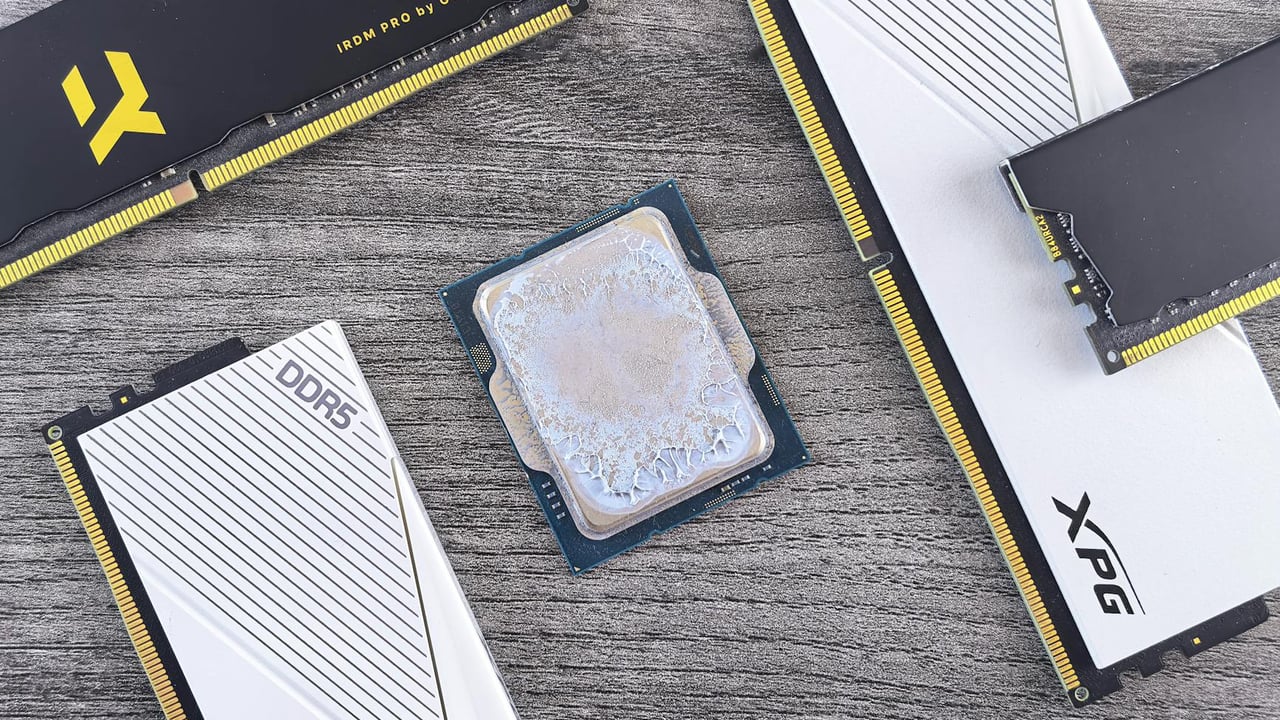

Shenzhen’s Huaqiangbei, often dubbed the thermometer of the global electronics supply chain, is currently witnessing a feverish sell-off. In a dramatic reversal of the months-long rally in semiconductor pricing, spot prices for DDR5 memory modules have plummeted by more than 30% in a single week. Retailers in the district report that 32GB modules, which commanded roughly 3,000 RMB just seven days ago, are now being offloaded for as little as 1,950 RMB as merchants scramble to liquidate inventory before further depreciation.
This localized crash is not an isolated phenomenon but a reflection of a growing disconnect between speculative hoarding and actual consumer appetite. According to data from DRAMeXchange and retail trackers like camelcamelcamel, the price correction is hitting major international platforms as well, with Corsair and Kingston modules seeing similar double-digit percentage drops on Amazon and JD.com. The sudden volatility has already rattled investors, contributing to a sharp decline in the stock prices of memory giants like Micron Technology and Western Digital's SanDisk division.
The immediate catalysts for this rout are twofold: a cooling consumer electronics market and technical jitters. Global forecasts for notebook and smartphone shipments have been revised downward, with analysts suggesting that high component costs have finally stifled consumer assembly demand. Simultaneously, Google’s recent unveiling of 'TurboQuant'—an algorithm designed to slash the memory footprint of large AI models by 60%—has triggered a psychological panic among channel distributors who fear the 'AI-driven storage boom' might be more efficient, and thus less lucrative, than previously anticipated.
However, the chaos in the spot market masks a different reality in the industrial contract sector. While street-level prices are in freefall, contract prices negotiated between manufacturers and enterprise clients are projected to continue their upward trajectory through the second half of 2026. This divergence is fueled by the relentless demand for AI servers, which consume several times the memory of traditional hardware. Major chipmakers are prioritizing high-margin enterprise production, effectively cannibalizing the capacity originally intended for the consumer market.
Looking ahead, the structural supply shortage remains far from resolved. Industry experts note that the lead time for expanding semiconductor fabrication capacity is typically 18 to 24 months, meaning significant new supply will not hit the market until 2027 or 2028. For the merchants of Huaqiangbei, the current price drop represents a painful but necessary 'channel adjustment' as speculators who entered the market late are forced out, even as the broader industry cycle remains fundamentally constrained by the high-performance computing era.