Gulf on the Brink: Iran Fortifies its Energy Heart as US Amphibious Threat Looms

Iran is heavily fortifying Kharg Island, its primary oil export hub, with mines and missiles to counter a potential U.S. amphibious invasion. The escalation follows U.S. airstrikes and the deployment of 2,000 American troops to the region amid a standoff over the Strait of Hormuz.

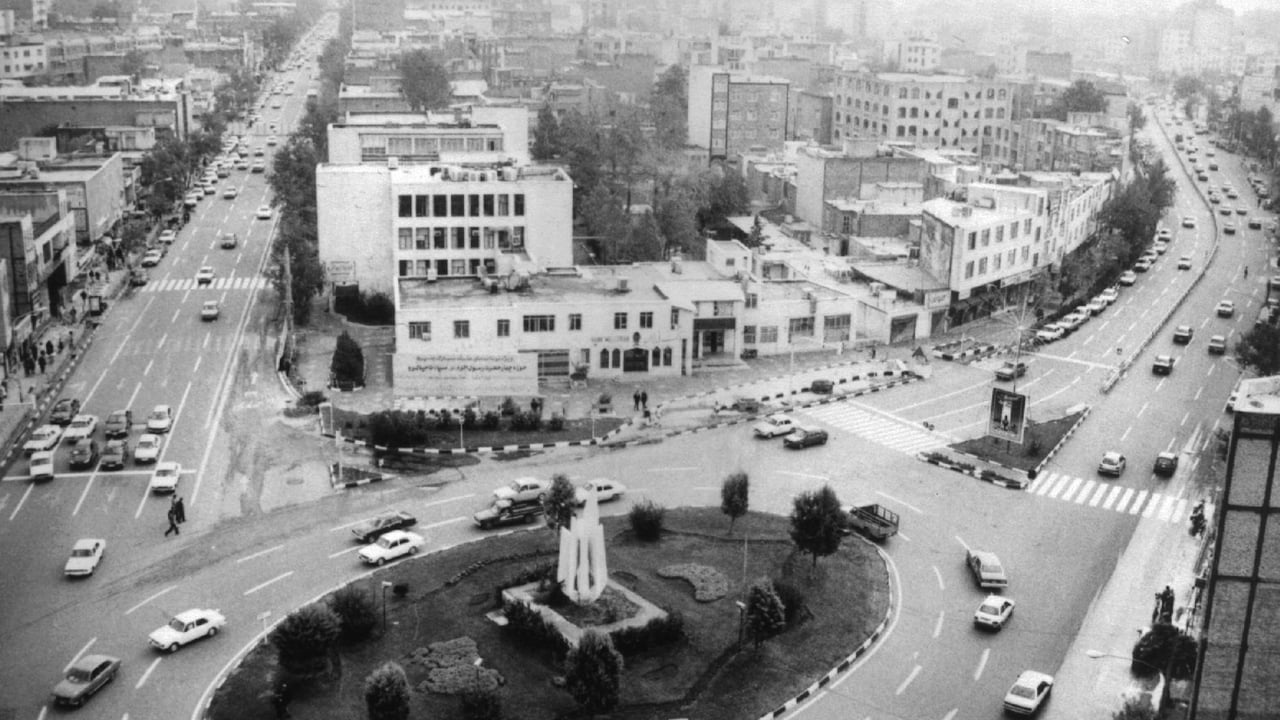
Black and white aerial view of Alborz city with bustling streets and roundabout.

Key Takeaways

  • 1Iran has deployed man-portable air defenses and landmines across Kharg Island to deter U.S. landings.
  • 2Kharg Island is a strategic bottleneck, handling 90% of Iran’s total crude oil exports.
  • 3The U.S. has already conducted strikes on 90 military targets on the island while avoiding oil infrastructure.
  • 4Pentagon deployments include the 82nd Airborne and Marine Expeditionary Units totaling 2,000 personnel.
  • 5Military analysts warn of a long-term war of attrition if a ground invasion of the island is attempted.

Editor's
Desk

Strategic Analysis

The fortification of Kharg Island represents a desperate but calculated attempt by Tehran to secure its 'economic carotid artery.' By mining the coastline and deploying shoulder-fired missiles, Iran is signaling that any U.S. attempt to seize the island will be met with asymmetric resistance designed to maximize American casualties rather than achieve conventional naval victory. For the U.S., the challenge remains the 'oil paradox': the goal is to pressure the regime by controlling its exports without destroying the infrastructure and causing a catastrophic spike in global Brent crude prices. However, the introduction of ground forces like the 82nd Airborne suggests a shift from surgical containment to a riskier 'boots on the ground' strategy that could easily escalate into the very quagmire U.S. military planners have historically feared in the Persian Gulf.

China Daily Brief Editorial
Strategic Insight
China Daily Brief

Kharg Island, the vital terminal for 90 percent of Iran’s crude oil exports, has been transformed into a fortress as Tehran prepares for a possible American amphibious assault. Recent intelligence suggests a significant surge in military personnel and the deployment of sophisticated anti-access/area-denial (A2/AD) capabilities across the island's rocky coastline.

Iranian forces have reportedly saturated the beaches with anti-personnel and anti-tank mines while distributing additional man-portable air-defense systems (MANPADS) to infantry units. These defensive measures follow a period of heightening tensions in which an Iranian light missile system successfully damaged a U.S. F-35 stealth fighter, signaling a shift in the tactical lethality of local forces.

In Washington, the Trump administration is reportedly weighing the seizure or total blockade of Kharg Island as a final lever to force the reopening of the Strait of Hormuz. A massive U.S. aerial campaign has already targeted over 90 military objectives on the island, including naval mine storage and missile bunkers, while conspicuously sparing the actual oil infrastructure to avoid a global economic shock.

As the Pentagon deploys approximately 2,000 troops from the 82nd Airborne Division and Marine Expeditionary Units to the region, the risk of a ground invasion has moved from theory to imminent reality. Military experts warn that while the U.S. possesses superior firepower, a ground campaign on Iranian soil could quickly devolve into a high-casualty war of attrition that mirrors past regional entanglements.

Tehran has responded with a vow of 'unprecedented counter-attacks' against both U.S. and Israeli interests should its sovereign territory be breached. Given that Kharg Island sits just 25 kilometers off the Iranian coast, any military escalation here represents not just a threat to the global energy supply, but the potential spark for a full-scale regional conflagration.

Share Article

Related Articles

📰
No related articles found