
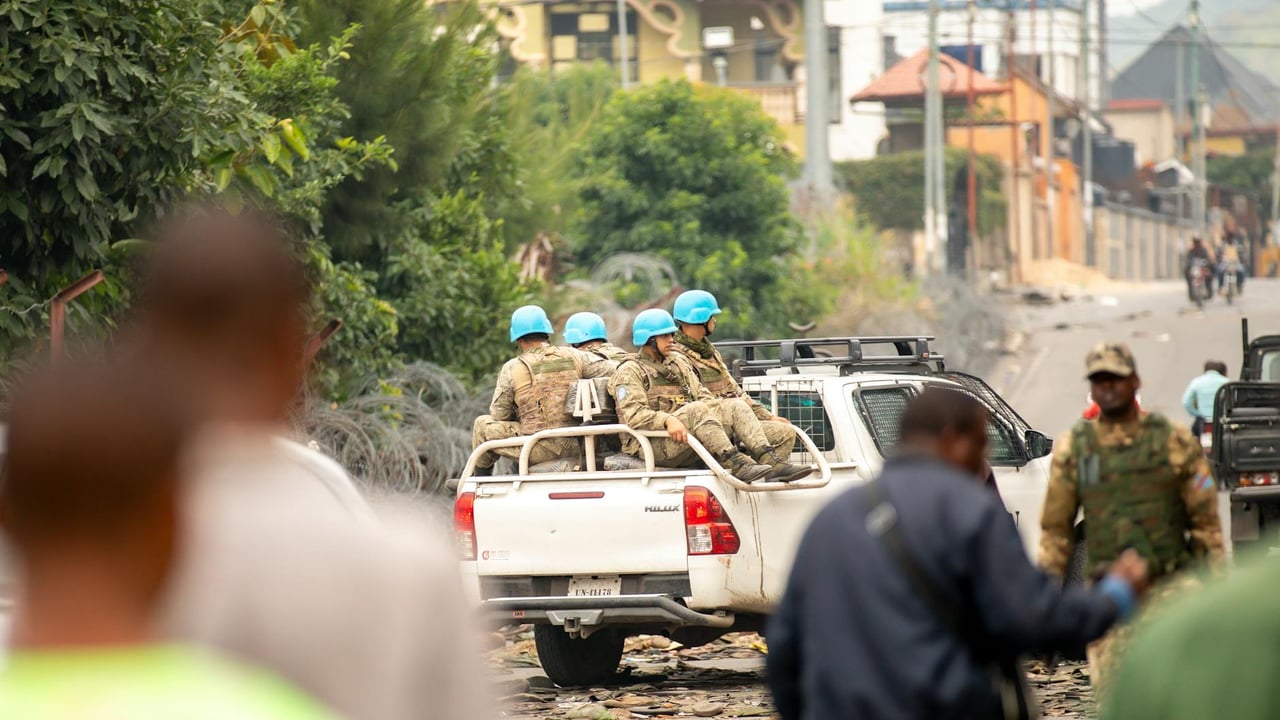

The United Nations Interim Force in Lebanon (UNIFIL) has once again found itself in the lethal path of a conflict it is tasked to monitor. On the evening of March 29, a shell detonated within a UN position near the village of Adchit Al Qusayr, resulting in the death of one peacekeeper and leaving another critically wounded. The incident marks a grim milestone in the worsening security situation along the 'Blue Line,' the volatile border separating Lebanon and Israel.
UNIFIL officials confirmed that an investigation into the origin of the shell is currently underway, though they stopped short of assigning blame to any specific party. The area of Adchit Al Qusayr has long been a flashpoint for exchanges between regional militaries and non-state actors. This latest tragedy underscores the extreme risks faced by international personnel who are increasingly caught in the crossfire of a conflict that threatens to boil over into a regional conflagration.
The mission's leadership has issued a stern reminder to all combatants regarding their obligations under international law to protect UN personnel and property. These mandates, however, appear increasingly hollow as the rules of engagement shift and the geographical scope of the conflict expands. For decades, UNIFIL has acted as a buffer, but its ability to de-escalate is being tested to its breaking point by sophisticated weaponry and eroding diplomatic guardrails.
International observers view this incident as a bellwether for the deteriorating stability of the Levant. While the source of the fire remains unconfirmed, the presence of heavy ordnance hitting a marked UN position suggests a dangerous lack of precision or a blatant disregard for the sanctity of international missions. As the investigation continues, the global community faces the uncomfortable reality that the Blue Helmets can no longer guarantee their own safety, let alone the peace they are sworn to uphold.