A Costly Eye in the Sky: Iranian Claims of a Crippled US Sentry Signal a New Phase of Gulf Tension

Tehran claims to have disabled or destroyed a high-value US E-3 Sentry aircraft at a Saudi airbase using a synchronized drone and missile strike. While official US confirmation is pending, the event highlights the growing vulnerability of regional airbases to Iranian-manufactured precision munitions.

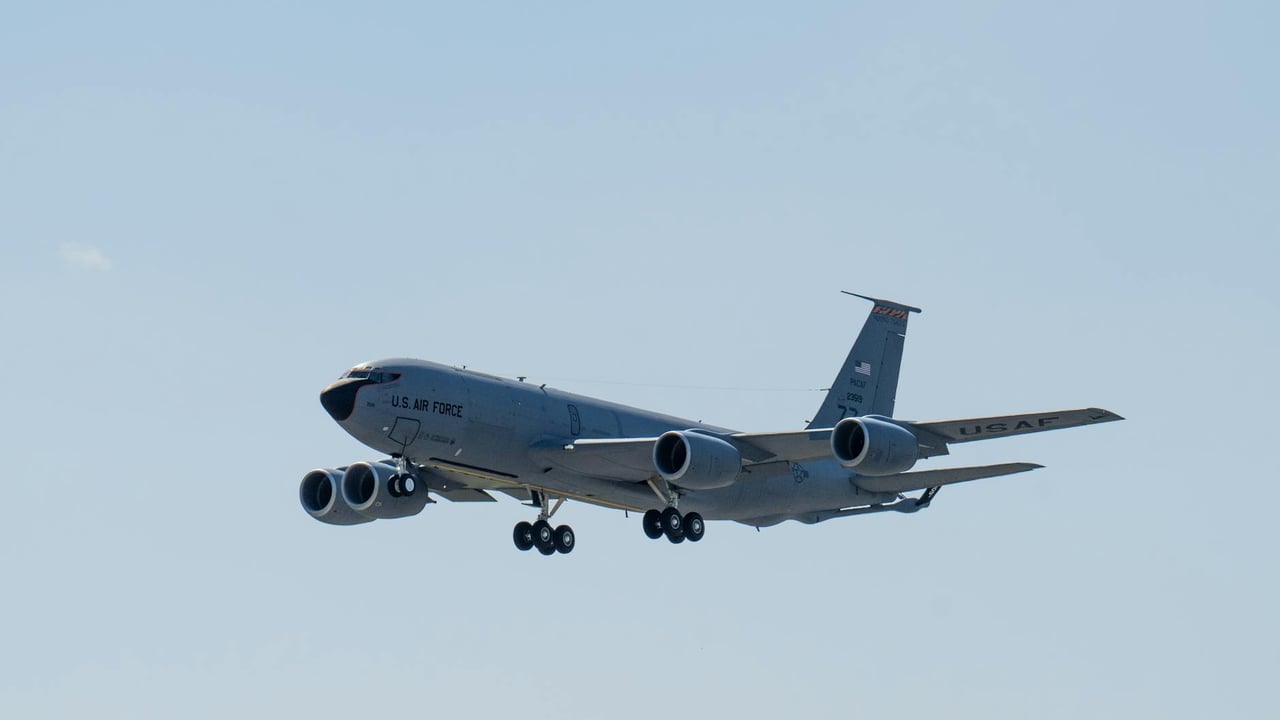
A US Air Force aircraft flies against a clear blue sky, showcasing air superiority and aviation technology.

Key Takeaways

  • 1The IRGC claims a successful strike on a US E-3 Sentry AWACS at Prince Sultan Air Base in Saudi Arabia.
  • 2Iranian sources state the aircraft was hit in the critical tail section by a combination of drones and missiles.
  • 3The E-3 Sentry is a vital command-and-control asset for US Air Force operations in the Middle East.
  • 4Images from social media are being used by Iranian state media to support claims of the aircraft's destruction.
  • 5This event marks a significant escalation in the direct targeting of US military assets within allied territory.

Editor's
Desk

Strategic Analysis

The targeting of an E-3 Sentry represents a shift from general base harassment to a 'quality-over-quantity' strategy by Tehran. The Sentry is a force multiplier; losing even one significantly degrades the U.S. ability to monitor Iranian airspace and coordinate defensive maneuvers. This claim, whether fully accurate or partially exaggerated for propaganda, serves as a clear warning to both Riyadh and Washington. It demonstrates that the IRGC has mapped the vulnerabilities of Prince Sultan Air Base and possesses the technical capability to strike specific high-value airframes. Moving forward, the U.S. will likely be forced to reassess its 'over-the-horizon' capabilities and the dispersal of sensitive hardware across the region.

China Daily Brief Editorial
Strategic Insight
China Daily Brief

The Iranian Islamic Revolutionary Guard Corps (IRGC) has signaled a dramatic escalation in regional hostilities, claiming to have successfully targeted and destroyed a United States E-3 Sentry AWACS aircraft during a coordinated strike. According to reports from the Tasnim News Agency, the operation utilized a sophisticated mix of drones and missiles to penetrate defenses at Saudi Arabia’s Prince Sultan Air Base, a critical hub for American air operations in the Middle East.

The E-3 Sentry is far from a standard combat jet; it serves as the strategic eyes and ears for the U.S. military, providing all-weather surveillance, command, and control. If the Iranian claim—that a strike hit the critical rear section of the airframe—holds true, it would represent a catastrophic loss of a high-value asset that is difficult to replace and essential for maintaining regional air superiority.

Social media images circulated by state-affiliated media ostensibly show the charred remains of the aircraft’s fuselage, suggesting a degree of precision that will alarm Western defense planners. This incident highlights the evolving lethality of Iran's loitering munitions and ballistic missile programs, which have increasingly demonstrated the ability to bypass traditional integrated air and missile defense systems in the region.

The geopolitical fallout of such a strike, if verified by independent satellite imagery or Pentagon admission, cannot be overstated. By targeting a base in Saudi Arabia, Tehran is not only challenging the U.S. military presence but also testing the limits of the burgeoning security cooperation between Washington and its Gulf partners. This calculated strike suggests that no asset, regardless of its importance or location, is currently beyond the reach of the IRGC’s regional strike capabilities.

Share Article

Related Articles

📰
No related articles found