

Markets across the Asia-Pacific region recorded a historic session on April 1, buoyed by sudden signals of geopolitical de-escalation in the Middle East. The Nikkei 225 surged by nearly 2,000 points in early trading, while South Korea’s KOSPI triggered a temporary circuit breaker after a 6% jump, reflecting a massive wave of investor relief. This bullish momentum followed a strong overnight performance on Wall Street, as traders began pricing in the end of a period of intense regional instability.
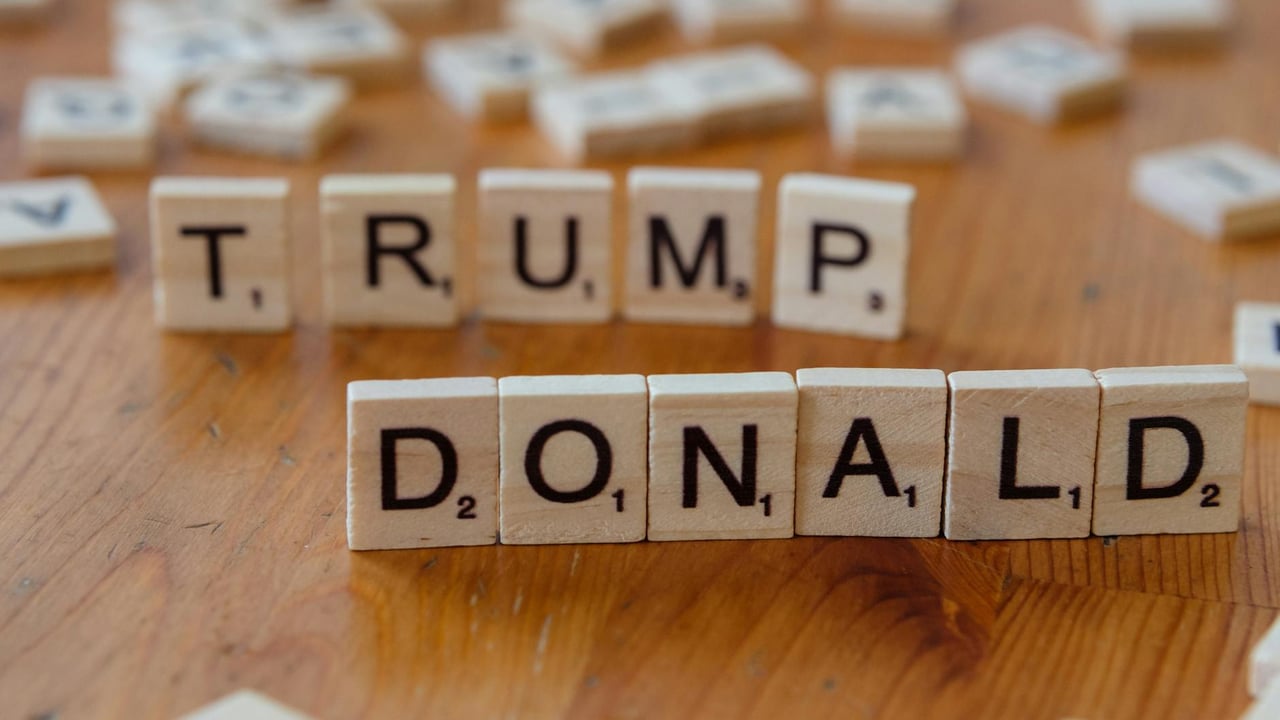
This market euphoria stems from a White House announcement that President Donald Trump is scheduled to deliver a primetime national address regarding an "important update" on Iran. In preliminary remarks, Trump suggested that the United States could conclude its military operations within two to three weeks, asserting that the primary mission of neutralizing Iran’s nuclear ambitions has been successfully realized. This shift marks a potential watershed moment for an administration that has long prioritized a "maximum pressure" and interventionist stance.
However, the prospect of a withdrawal is accompanied by a significant pivot in American maritime policy. Trump explicitly stated that the United States would no longer shoulder the responsibility for securing the Strait of Hormuz, the world’s most critical energy chokepoint. By characterizing the waterway’s security as the burden of the nations that use it, the administration is signaling a retreat from the traditional role of the U.S. Navy as the guarantor of global energy flow.
Diplomatic channels appear to be opening simultaneously, with Iranian President Masoud Pezeshkian expressing a willingness to end the conflict provided that Tehran receives guarantees against future aggression. Adding to this momentum, Secretary of State Marco Rubio noted that while the end is not immediate, the "finish line" for the Iranian conflict is finally in sight. Rubio also hinted that the conclusion of this chapter would necessitate a fundamental reassessment of the United States’ relationship with its NATO allies, suggesting further shifts in the global security architecture.