
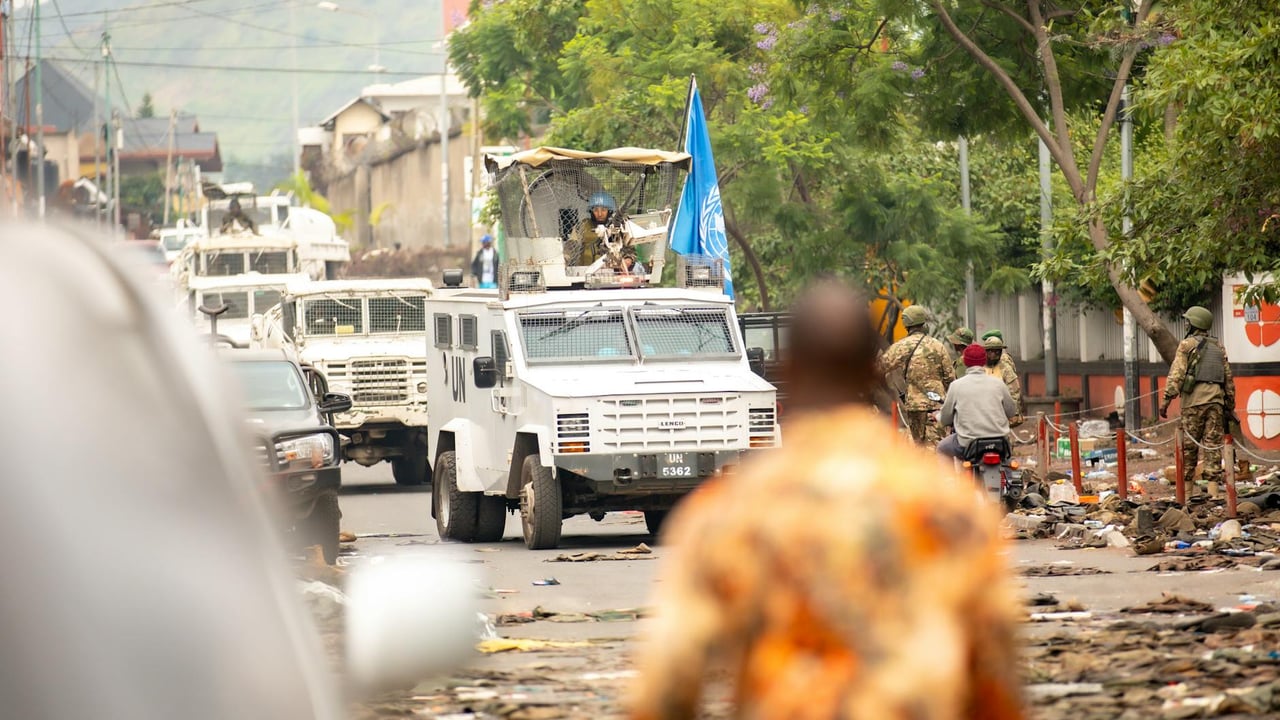

A powerful coalition of ten European foreign ministers alongside the European Union’s high representative has issued a joint statement condemning recent strikes against the United Nations Interim Force in Lebanon (UNIFIL). Led by the United Kingdom and France, the group expressed profound alarm over the mounting casualties among peacekeepers and the deteriorating security situation along the Blue Line. The declaration serves as a significant diplomatic intervention aimed at preventing a localized skirmish from spiraling into a total regional conflagration.
The signatories, which include Italy, the Netherlands, and several Mediterranean states, emphasized that the safety of UN personnel and the inviolability of their premises are non-negotiable under international law. This unified front highlights a growing impatience among European capitals regarding the high physical and political costs of the ongoing conflict in Southern Lebanon. Recent incidents have claimed the lives of three peacekeepers and left several others wounded, marking a dangerous shift in the risk profile for international missions in the region.
Central to the joint statement is an explicit call for Israel to exercise restraint and avoid expanding its military objectives into a ground campaign on Lebanese soil. By specifically mentioning the protection of civilian infrastructure—including Lebanon’s airports, ports, and bridges—the coalition is signaling its intent to preserve the state’s functional sovereignty. The ministers underscored that any further escalation would not only endanger non-combatants but also dismantle the fragile de-escalation channels currently maintained by UNIFIL.
This diplomatic maneuver reflects a broader strategy to uphold UN Security Council Resolution 1701, which remains the cornerstone of the region's security architecture. For many of the contributing nations, particularly Italy and France who provide significant troop contingents to UNIFIL, the safety of their soldiers is a domestic political priority as much as a foreign policy objective. The statement essentially draws a red line, warning that the 'unacceptable' nature of these attacks threatens the very mandate of international peacekeeping in the Middle East.