
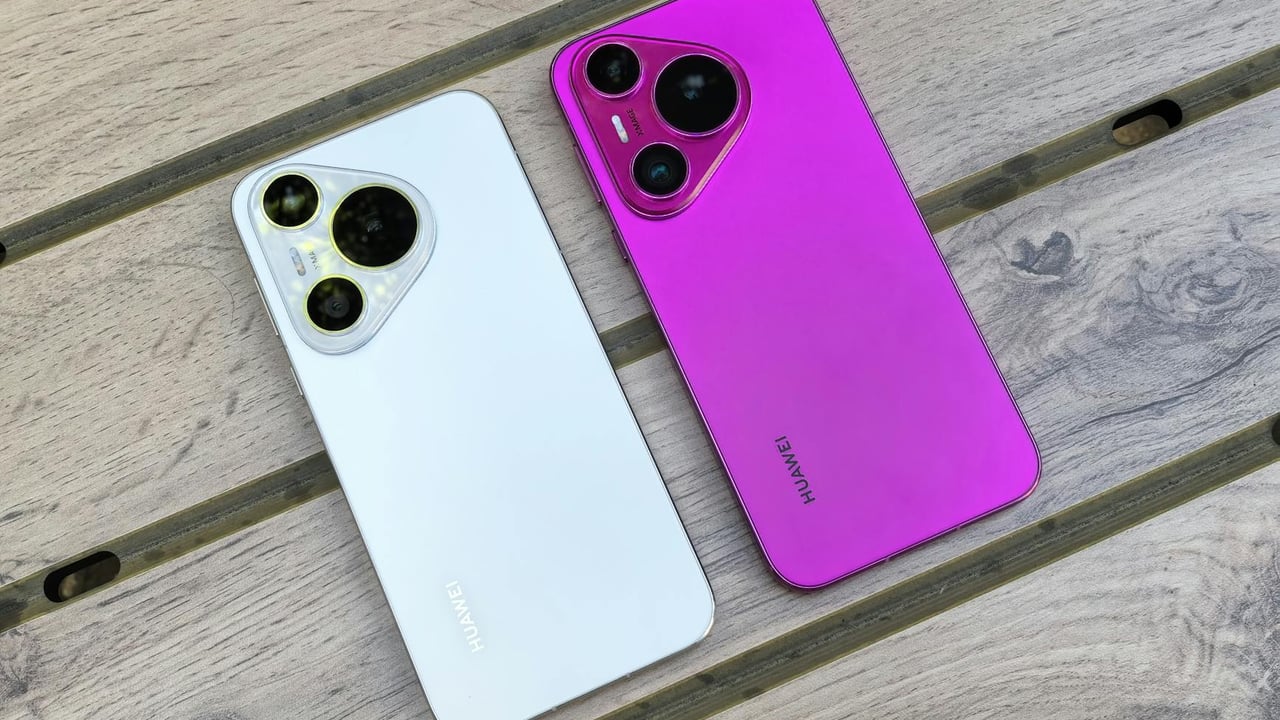

Huawei has officially launched its latest budget-friendly smartphone line, the Enjoy 90 series, signaling a deeper push into China’s mass market. Available starting April 2, the series includes the Pro Max and Plus models, priced competitively at 1,699 yuan (approximately $235) and 1,499 yuan ($207) respectively. This launch serves as a critical volume-driver for the Shenzhen-based giant, aiming to capture the mid-to-low-end segment of the domestic consumer base.
The hardware specifications reveal a significant milestone in Huawei’s technical recovery: the integration of the Kirin 8-series chipsets across the lineup. By outfitting even its entry-level devices with proprietary silicon, Huawei demonstrates a stabilized supply chain capable of producing high volumes of semiconductors. This vertical integration is a core component of the company's strategy to insulate itself from external supply shocks while maintaining performance standards.
Software plays an equally pivotal role in this rollout, with the Enjoy 90 series shipping with HarmonyOS 6. This latest iteration of Huawei’s operating system represents the company’s final decoupling from the Android ecosystem. By offering a unified software experience from the budget tier to the flagship Pura and Mate series, Huawei is aggressively building a closed-loop ecosystem that incentivizes user loyalty through seamless cross-device connectivity.
Financial data surrounding the launch underscores Huawei’s aggressive reinvestment strategy. With 2025 revenue reaching 880.9 billion yuan and R&D spending surpassing 192 billion yuan, the company is leveraging its massive capital reserves to dominate the Chinese tech landscape. The Enjoy 90 series is not merely a hardware release but a strategic tool to expand the HarmonyOS user base, providing the scale necessary to support the company’s burgeoning interests in automotive software and smart home technology.