Warthogs Over the Levant: Why the Pentagon is Doubling Its Close-Air Support in the Middle East

The U.S. Department of Defense has doubled its fleet of A-10 Thunderbolt II attack aircraft in the Middle East, bringing 18 new planes to the theater. This surge in close-air support capability aims to provide decisive leverage as the U.S. seeks to conclude regional tensions with Iran and its proxies.

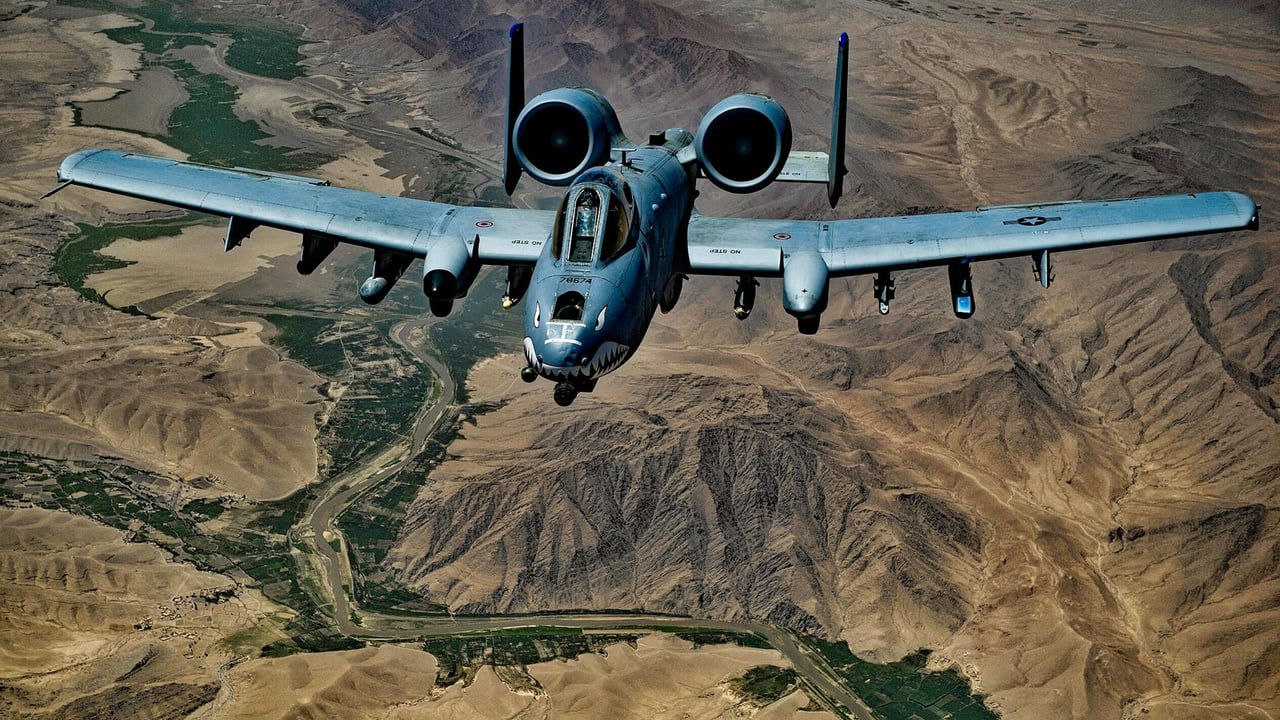
A military aircraft flying over a vast desert landscape with dramatic views.

Key Takeaways

  • 1The U.S. Air Force has deployed 18 additional A-10 Thunderbolt II aircraft to the Middle East.
  • 2This deployment doubles the existing fleet of A-10s, which now totals approximately 30 aircraft in the region.
  • 3The aircraft transitioned through RAF Lakenheath in the UK during their journey from the United States.
  • 4The A-10's primary mission will be supporting ground operations and countering maritime threats from Iran-backed forces.
  • 5The move coincides with a political push to end current conflicts in the region within a tight timeframe.

Editor's
Desk

Strategic Analysis

The decision to double the A-10 fleet is a pragmatic but aggressive tactical shift. Despite its age, the A-10 remains the premier platform for 'permissive environment' combat where the U.S. holds air superiority but faces threats from swarming boats or entrenched militias. This isn't a force for a high-tech war against a peer adversary; it is a force designed for the 'messy' reality of Middle Eastern proxy warfare. By deploying these assets now, the Pentagon is likely creating a 'firewall' of firepower to protect withdrawing or transitioning ground assets, ensuring that any attempt to close the conflict isn't seen as a retreat but as a transition from a position of overwhelming tactical dominance.

China Daily Brief Editorial
Strategic Insight
China Daily Brief

The United States Air Force is significantly bolstering its presence in the Middle East by deploying 18 additional A-10 Thunderbolt II aircraft to the region. This strategic move effectively doubles the existing fleet of the specialized attack planes, signaling a sharp pivot toward enhanced close-air support and ground-attack capabilities. The deployment comes as the Pentagon seeks to solidify its tactical advantage in a theater increasingly defined by friction with regional proxies.

Known colloquially as the "Warthog," the A-10 is a rugged, low-altitude aircraft designed specifically for supporting ground troops and destroying armored targets. Its presence is a clear indicator that the U.S. is preparing for more direct kinetic engagements. These aircraft have a proven track record in the region, having previously been utilized to neutralize fast-attack boats and strike militia positions in Iraq.

The timing of this buildup is particularly noteworthy given the broader political directive to conclude long-standing regional hostilities. While the administration has expressed a desire to reach a definitive resolution with Iran in the near term, this military surge suggests a "peace through strength" approach. By saturating the theater with specialized firepower, the U.S. aims to force a strategic conclusion while maintaining a credible deterrent against escalation.

Flight tracking data confirms that the squadron transitioned from the United States via RAF Lakenheath in England before heading to their final destination. This logistical path highlights the critical role of European hubs in facilitating rapid American power projection. The arrival of these 18 airframes brings the total number of A-10s in the region to approximately 30, a force large enough to sustain continuous combat operations across multiple fronts.

Share Article

Related Articles

📰
No related articles found