The Arctic Reawakening: Washington’s Strategic Pivot Back to Greenland

The United States is negotiating with Denmark to expand its military access in Greenland for the first time in decades, aiming to reactivate Cold War-era sites. The move targets strategic deep-water ports and long runways to enhance U.S. maritime and special operations capabilities in the increasingly contested Arctic region.

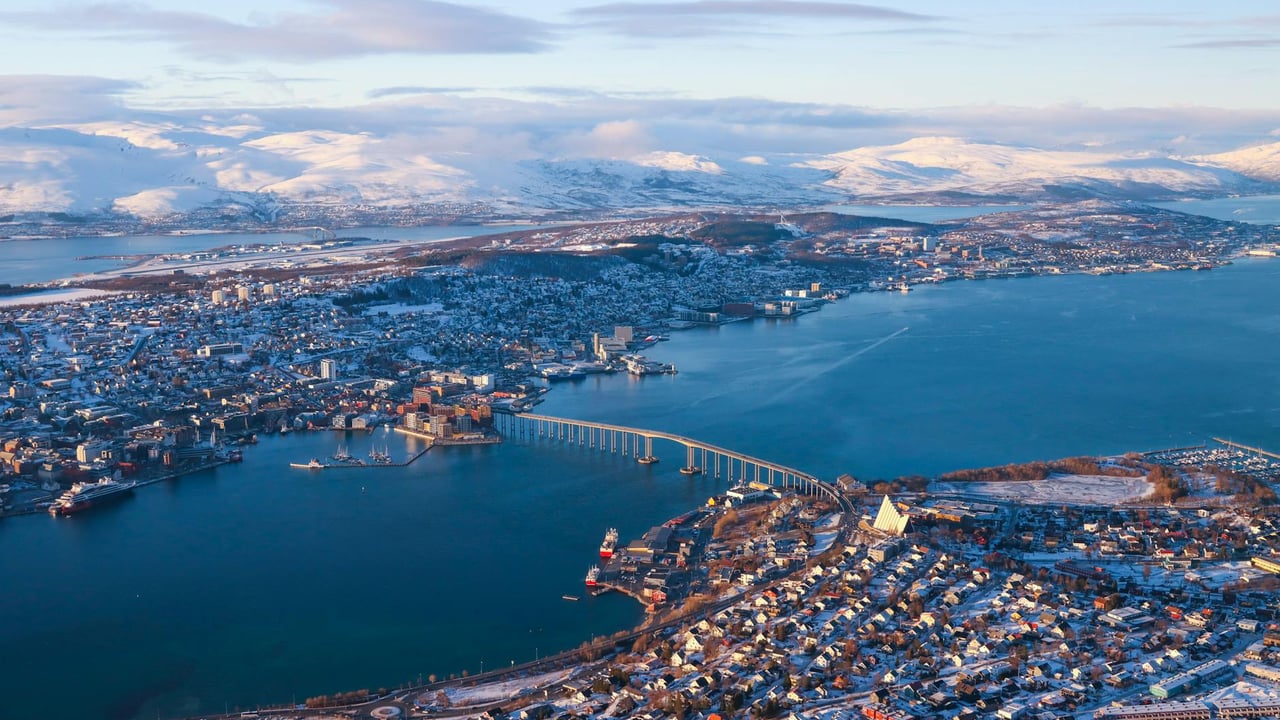
Panoramic aerial view of Tromsø, Norway, showcasing snow-capped mountains and the iconic Arctic Cathedral.

Key Takeaways

  • 1U.S. Northern Command is seeking access to three new sites in Greenland, including the former bases at Narsarsuaq and Kangerlussuaq.
  • 2The expansion aims to provide 'options' for the President and Defense Secretary in response to growing Arctic threats.
  • 3Key infrastructure interests include deep-water ports for naval power and long runways for large-scale aerial logistics.
  • 4Negotiations involve the Danish government and Greenland's autonomous leadership, amidst a backdrop of heightened regional competition with Russia and China.
  • 5This move marks the first major expansion of the U.S. military footprint on the island since the 1990s.

Editor's
Desk

Strategic Analysis

This strategic move signals the definitive end of 'Arctic Exceptionalism'—the idea that the High North could remain a zone of low tension and peaceful cooperation. By seeking to reactivate mothballed Cold War infrastructure, Washington is acknowledging that its current footprint, centered on Pituffik (formerly Thule) Space Base, is insufficient for modern peer-to-peer deterrence. The focus on Narsarsuaq and Kangerlussuaq is telling; these are 'dual-use' gateways that could support both civilian economic development and rapid military mobilization. For the U.S., Greenland is shifting from a passive listening post for missile defense into an active platform for power projection, essentially serving as a stationary 'aircraft carrier' that anchors the GIUK (Greenland-Iceland-UK) gap. However, success depends entirely on navigating the rising tide of Greenlandic nationalism and ensuring that the local population sees these bases as assets rather than colonial impositions.

China Daily Brief Editorial
Strategic Insight
China Daily Brief

Decades after the end of the Cold War led to a gradual withdrawal of American forces from the far north, the Pentagon is once again turning its gaze toward the icy expanse of Greenland. The U.S. Northern Command has confirmed plans to expand its military footprint on the world’s largest island, signaling a major shift in Arctic defense posture. This development reflects a growing consensus in Washington that the polar region is no longer a peripheral theater but a central front in global power competition.

General Gregory Guillot, commander of U.S. Northern Command, recently informed Congress that negotiations are underway with the Kingdom of Denmark to secure access to three additional sites. This expansion includes the potential reactivation of two historic bases, Narsarsuaq and Kangerlussuaq, which were once vital logistical hubs during the mid-20th century. The move would represent the first significant increase in the American military presence on the island in over half a century.

The strategic logic behind this pivot is dictated by both geography and the physical realities of a warming planet. Narsarsuaq offers a rare deep-water port capable of supporting heavy naval vessels, while Kangerlussuaq features a runway long enough to accommodate the largest transport and combat aircraft in the U.S. arsenal. These facilities would provide the Pentagon with the flexibility to deploy special operations forces and maritime assets rapidly in response to Arctic contingencies.

While the expansion is framed through the lens of "threat reduction" and strategic necessity, it remains a diplomatically sensitive endeavor. Greenland’s autonomous government and the Danish authorities are cautious about being drawn into a broader superpower tug-of-war. Memories of past diplomatic friction, particularly regarding U.S. territorial interests, continue to shadow negotiations even as NATO allies seek to bolster their collective northern flank against rising Russian and Chinese activity in the region.

Share Article

Related Articles

📰
No related articles found