

The global commodity landscape fractured on April 2 as market participants grappled with a violent divergence between the world’s two most critical assets. While Brent crude surged past the $106 per barrel mark following aggressive rhetoric from Washington, gold—traditionally the ultimate safe haven—plummeted from its recent peaks near $4,800. This rare decoupling reveals a market gripped by extreme speculative volatility and an emerging liquidity crunch that mirrors the darker days of the 1970s oil crisis.
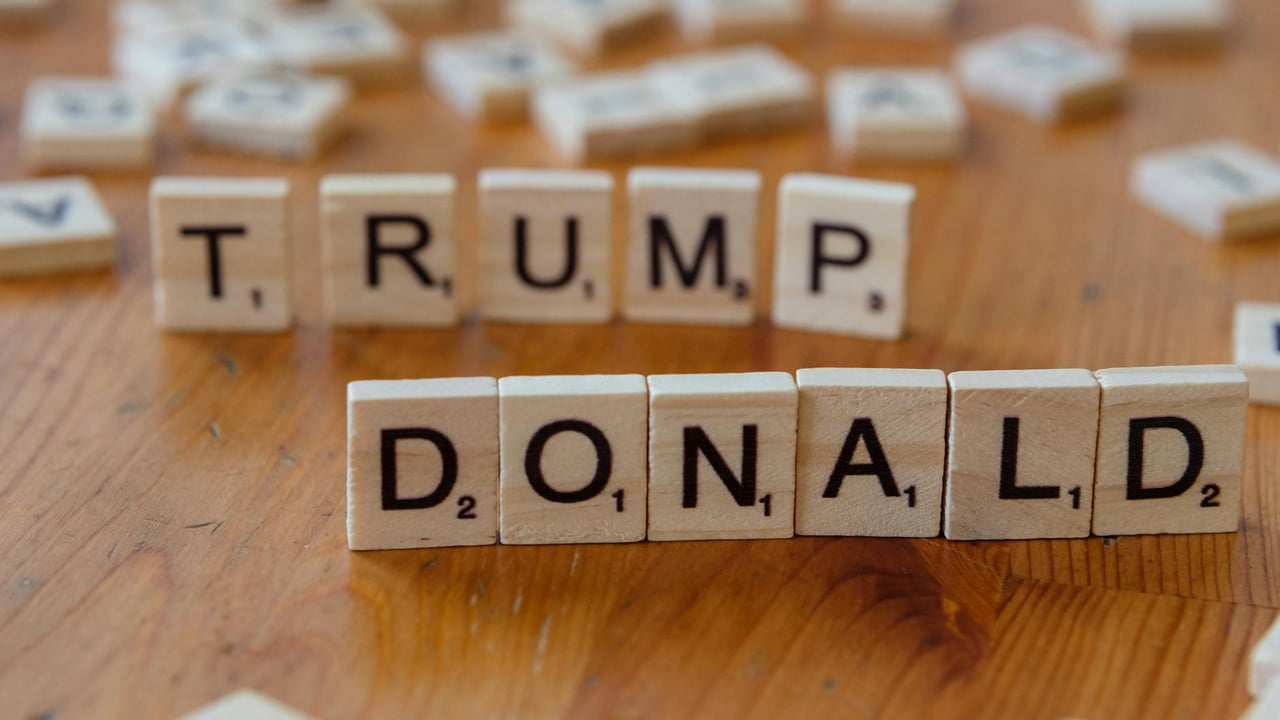
The catalyst for the market upheaval was a late-night address by U.S. President Donald Trump, who declared a "rapid, decisive, and overwhelming victory" in hostilities against Iran. The announcement triggered an immediate "high-dive" in gold prices, which shed nearly 3% in minutes as speculative capital fled. Analysts note that the gold market is currently stuck in a "fast-in, fast-out" mode, where the fragility of long positions is exposed the moment a geopolitical de-escalation is teased.
However, the optimism found in the gold pits did not translate to the energy sector. Brent crude jumped over 5% as the reality of the Strait of Hormuz’s closure continues to choke global supply. President Trump’s suggestion that nations should either "buy American oil" or "grab their own" from the Persian Gulf has signaled a potential end to the U.S.-led maritime security architecture, baking a permanent geopolitical risk premium into every barrel of crude.
Institutional analysts from Huatai Securities and Soochow Securities are drawing parallels to the 1973-1975 period, where gold experienced sharp drops despite rising inflation. This phenomenon, known as a liquidity squeeze, occurs when investors rush to hold cash to cover losses in other sectors, momentarily abandoning bullion. While Goldman Sachs remains bullish on a long-term target of $5,400 for gold, the short-term reality is a market dictated by the "TACO" rhythm—a volatile cycle of conflict escalation and sudden, often performative, cooling signals.
Even in the event of a permanent ceasefire, the consensus among energy experts is that "the $65 barrel is dead." The structural damage to global supply chains, including the relocation of tankers and the disruption of the "petrodollar" cycle, suggests that energy costs will remain elevated for the foreseeable future. Investors are now being advised to distinguish between short-cycle speculative trading and long-term allocations to physical assets to hedge against what many fear is a looming era of stagflation.