
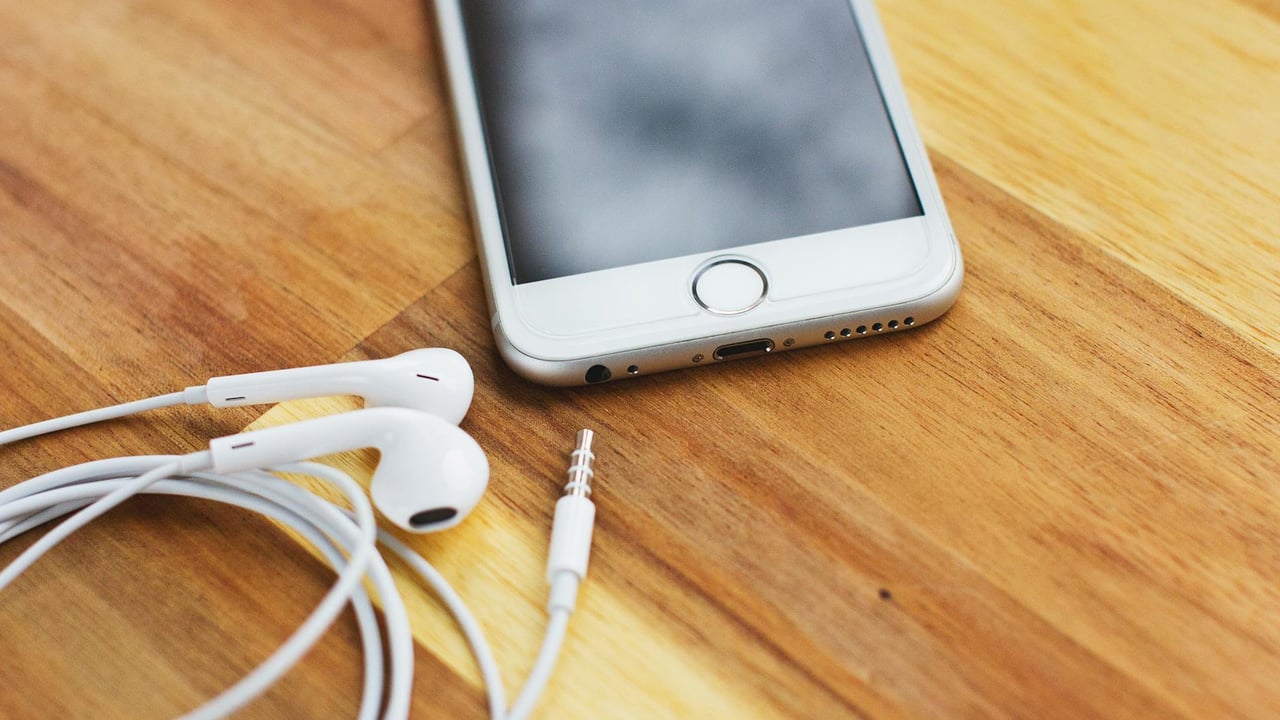

Nearly a decade after the tech industry began its aggressive campaign to kill the 3.5mm headphone jack, a counter-intuitive trend is sweeping through China’s consumer market. Wired earphones, once dismissed as relics of a bygone analog era, are experiencing a massive resurgence. Sales figures show a sudden spike of over 20%, with some budget models selling out within days of hitting digital shelves. This is not merely a case of technological regression; it is a sophisticated shift in consumer identity among Gen Z and millennial demographics.
The drive behind this 'wired renaissance' is multi-faceted, blending practical utility with a distinct aesthetic rebellion. While wireless earbuds offer convenience, they bring the hidden tax of 'battery anxiety' and the constant risk of loss. In contrast, the wired earphone is seen as a reliable, 'zero-maintenance' tool that offers superior audio fidelity at a fraction of the cost. Young consumers are increasingly vocal about the fatigue of managing an ecosystem of rechargeable devices, making the simple 'plug-and-play' nature of wired tech feel ironically innovative.
Beyond functionality, the humble wire has been elevated to a high-fashion accessory. On platforms like Xiaohongshu and Douyin, influencers and 'cool kids' are styling white cords as part of a 'retro-tech' or 'vintage-core' look. By opting for wires, users are signaling a deliberate detachment from the ubiquitous AirPods crowd. This trend is further fueled by high-profile endorsements; NBA players and international celebrities are frequently spotted with tangled cords, framing the look as an effortless, nonchalant rejection of over-engineered minimalism.
Market data suggests that the demand is bifurcated. On one end, audiophiles are returning to high-end wired monitors for lossless sound quality. On the other, there is a booming market for 'vintage' Apple-style earbuds retailing for as little as 20 RMB (approximately $3 USD). This low barrier to entry, combined with a desire for a visible 'vibe,' has turned a once-obsolete product into a viral commodity. For many in China's urban centers, the wire is no longer a tether—it is a statement of intentionality in an increasingly wireless and distracted world.