
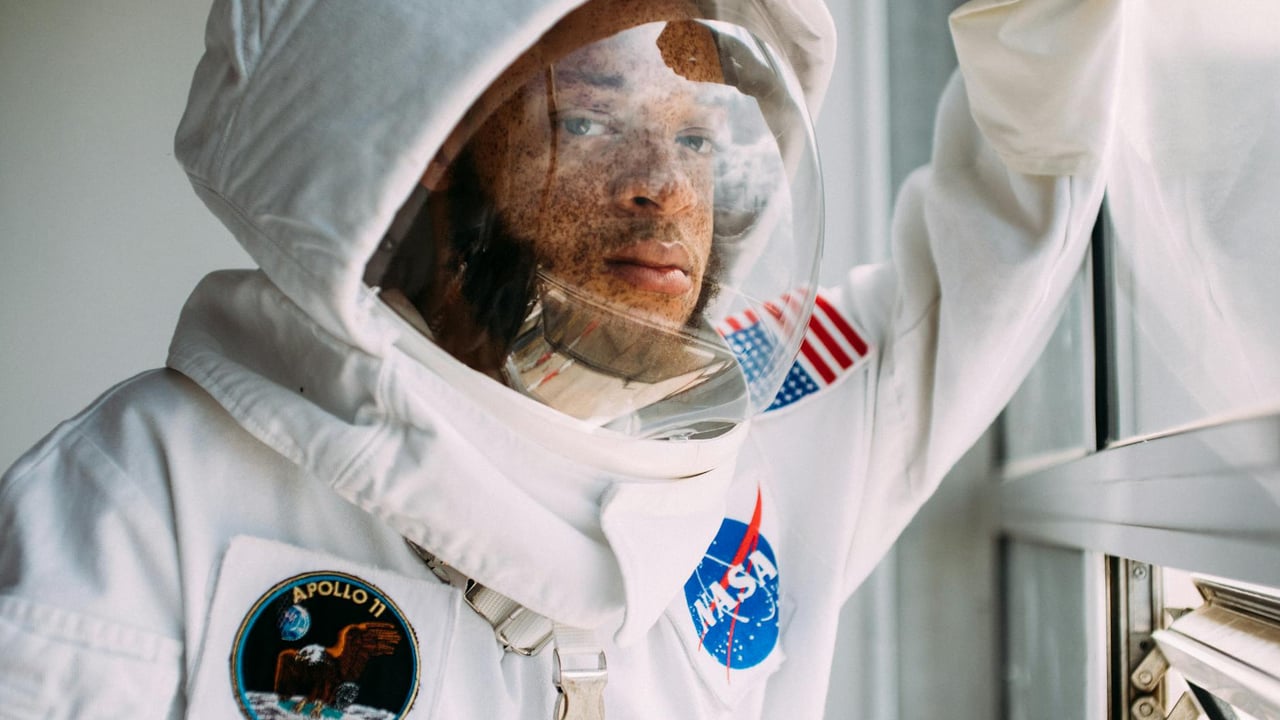

In April 2026, as four astronauts embarked on the first manned journey to the vicinity of the Moon in over half a century, they were met not just with the awe of the cosmos, but with the visceral reality of hardware failure. Within the first twenty-four hours of their ten-day mission, a critical malfunction in the spacecraft’s waste management system forced the crew to pivot from celestial observation to emergency plumbing. This mundane yet vital glitch serves as a stark reminder of the fragile interface between human biology and deep-space engineering.
The mission, representing a multi-billion dollar investment in the Artemis-era architecture, is designed to test the limits of life support systems before eventual lunar landings. However, the failure of the spacecraft's toilet—a complex piece of vacuum-suction technology—presents more than just an inconvenience for the crew. In a microgravity environment, the inability to contain liquid and solid waste poses a legitimate biohazard, potentially threatening sensitive avionics and the long-term health of the cabin atmosphere.
International observers, particularly within the Chinese media landscape, have been quick to highlight these technical setbacks. Coverage from outlets like NetEase and Sina Finance juxtaposes NASA's current struggles with China’s own systematic progress in its Tiangong space station and the upcoming Shenzhou 20 missions. For global audiences, this framing suggests a narrative of 'aging' Western infrastructure versus the rising reliability of newer, competing space programs, emphasizing that in the high-stakes theater of space, there is no detail too small for geopolitical scrutiny.
Despite the toilet malfunction and reported intermittent communication delays, the mission continues its trajectory toward lunar orbit. The crew’s ability to troubleshoot these issues in real-time is itself a form of critical data collection, revealing the resilience required for future Mars transits. For now, the focus remains on stabilization; after fifty years of waiting to return to the lunar frontier, the path to the stars remains paved with the most basic of human challenges.