
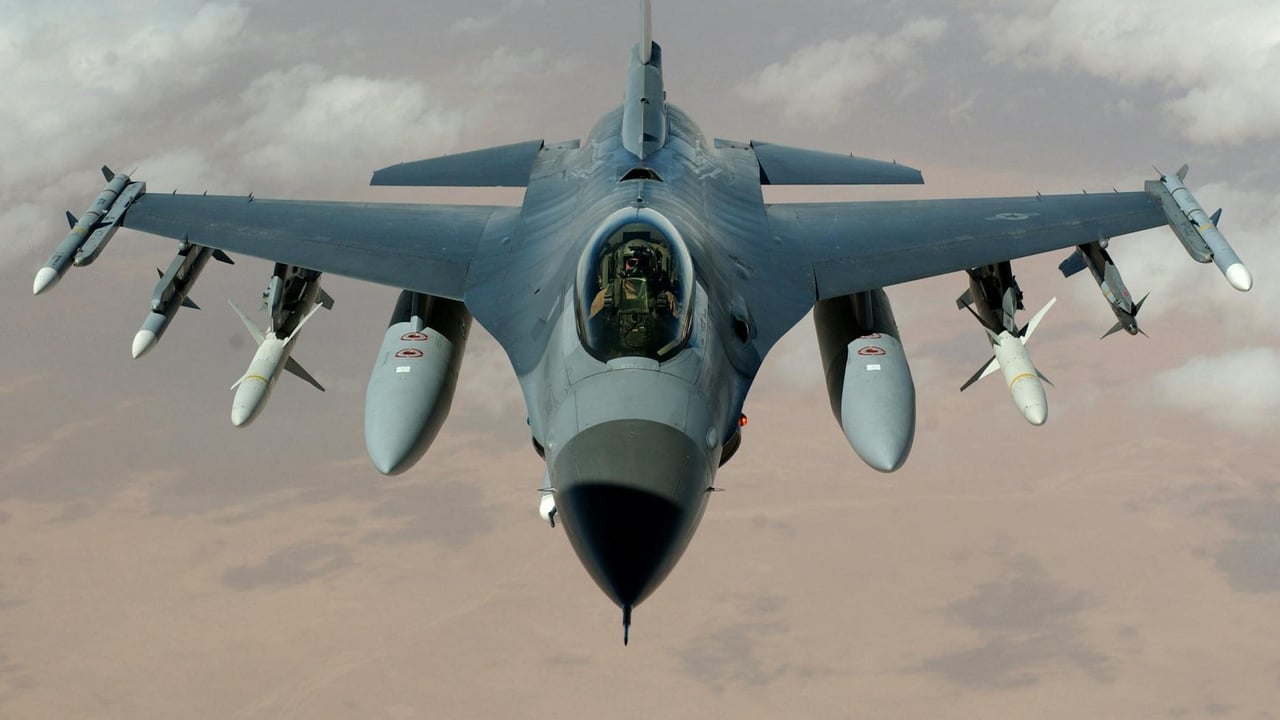

The deployment of Type 25 surface-to-ship missiles and high-speed gliding projectiles at the Kengun and Fuji garrisons marks a fundamental departure from Japan’s post-war identity. With a range of approximately 1,000 kilometers, these weapons enable Tokyo to strike targets far beyond its sovereign territory, effectively dismantling the 'exclusively defense-oriented' policy that has governed the nation since 1945. This move is not merely a technical upgrade but a symbolic shift toward a 'counter-strike' capability that neighbors view with increasing alarm.
For decades, Japan’s military doctrine—Senshu Boei—prohibited offensive weaponry, restricting the Self-Defense Forces to a shield rather than a spear. The current administration's logic suggests that if an adversary is judged to have 'commenced' an attack, Japan may strike first to neutralize the threat. This subjective criterion introduces a dangerous ambiguity into regional security dynamics, as the definition of 'commenced' remains dangerously fluid and open to interpretation by military planners in Tokyo.
Critically, the deployment has ignited domestic friction within Japan. Residents near the Kumamoto and Shizuoka bases have voiced fears that their communities will become primary targets in a regional conflict. Despite repeated requests for public briefings, the Ministry of Defense has moved forward with the installations, suggesting a prioritization of strategic posture over domestic consensus. This internal discord highlights the tension between the government’s hawkish ambitions and a public still wary of the ghosts of militarism.
From a regional perspective, the move is being interpreted as a breach of the post-war international order. By acquiring the means to project power deep into the Asian mainland, Japan is accused of using the rhetoric of 'defense' to mask the development of a pre-emptive strike capability. This escalation risks triggering a classic security dilemma, where Tokyo’s search for security inadvertently accelerates an arms race with its neighbors, particularly as historical grievances continue to color modern diplomatic relations.
Ultimately, Japan’s transition from a defensive posture to a more assertive military stance represents a significant gamble. By discarding the self-imposed constraints of the pacifist constitution, the Takaichi administration is betting that deterrence will provide stability. However, without transparent communication and clear red lines, these 1,000-kilometer missiles may serve more as a catalyst for regional volatility than a safeguard against it.