
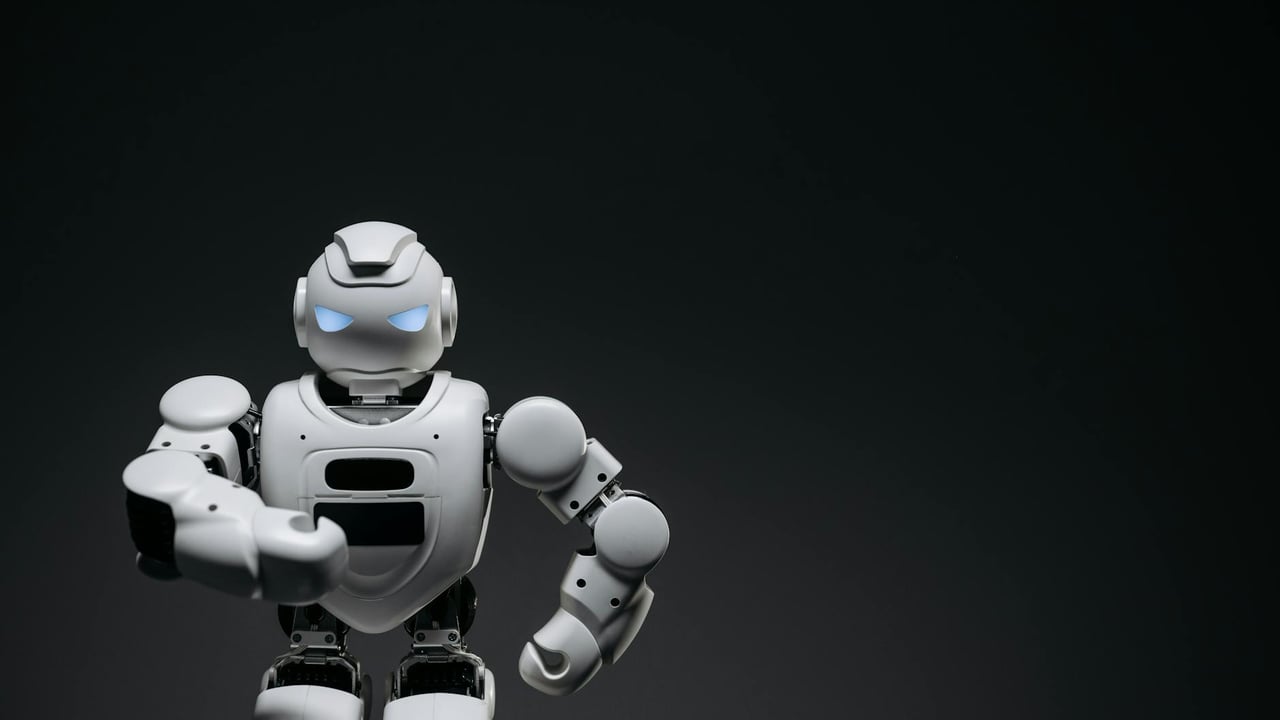

Agibot (智元), the Chinese startup at the forefront of the humanoid robotics race, has announced a high-stakes 'AI Launch Week' beginning April 7. The event is designed to be a concentrated demonstration of self-developed breakthroughs in embodied intelligence—the bridge between digital large language models and physical mechanical action. By unveiling one core technological milestone per day over a six-day period, the company aims to showcase a comprehensive 'capabilities map' for physical AI.
The timing of this launch comes as the global competition for 'Physical AI' intensifies. Unlike traditional industrial robots confined to pre-programmed tasks, Agibot is focusing on the 'flywheel effect' of embodied intelligence, where robots learn and adapt to real-world environments. The company specifically identifies 'technical fragmentation' and 'implementation gaps' as the primary pain points currently stifling the industry, positioning itself as a provider of the foundational infrastructure needed to solve these issues.
Agibot’s strategy mirrors the aggressive release cycles seen in the software world, signaling a shift in the robotics industry from hardware-centric displays to intelligence-driven ecosystems. By presenting a systematic capability set rather than a single prototype, the company is attempting to define the standards for how AI interacts with the physical world. This move is intended to catalyze the entire Chinese robotics sector, moving it away from 'patchwork technology' toward integrated, scalable solutions.
This announcement is part of a broader surge in the Chinese tech landscape, where companies are increasingly pivoting from cloud-based AI to edge-based physical applications. As giants like Huawei and UBTECH ramp up their own efforts, Agibot’s week-long reveal serves as a calculated display of technological sovereignty and a bid to dominate the next phase of the AI revolution: the integration of intelligence into moving, working machines.