China’s Industrial Hardening: Beijing Mandates a Massive Overhaul of Aging Chemical Infrastructure

China has unveiled a comprehensive 2026–2029 action plan to upgrade its petrochemical sector, focusing on safety, digitalization, and carbon reduction. Led by seven ministries, the initiative will use state funds and central bank credit to overhaul or retire facilities older than 20 years, solidifying the industry's role as a stabilized foundation for the national economy.

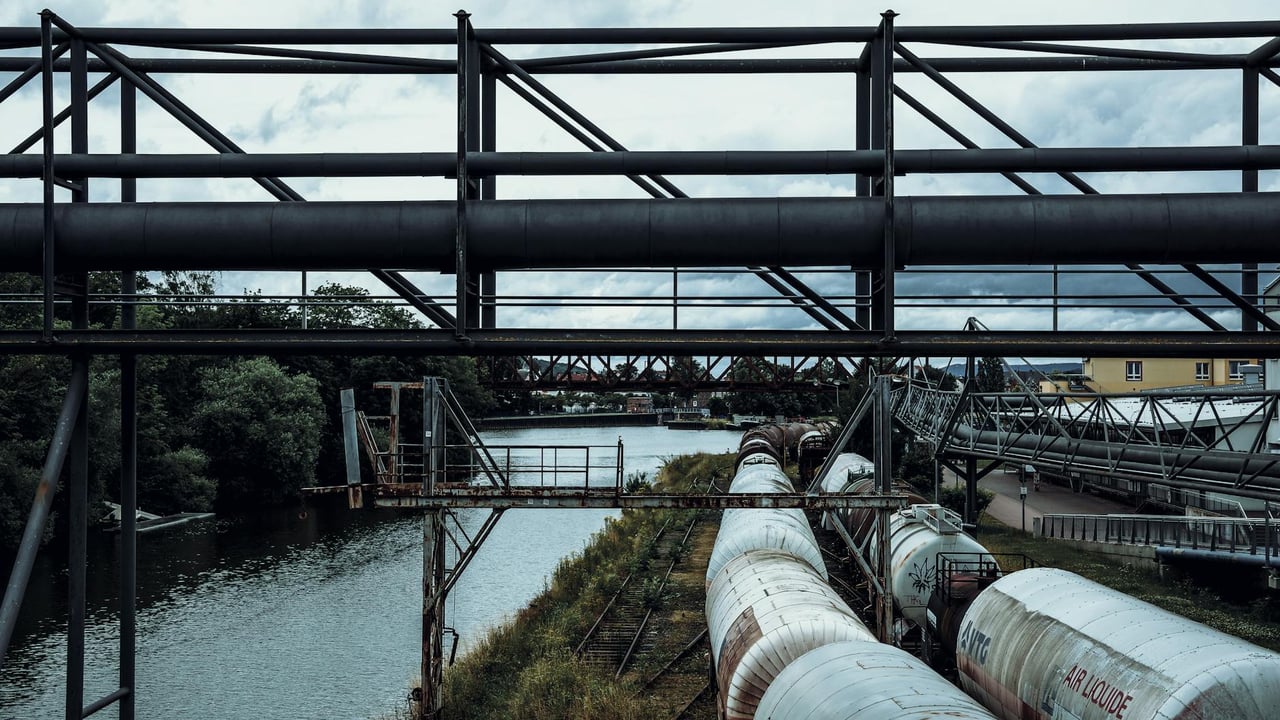
An industrial scene with railway tank wagons and overhead pipes by a canal.

Key Takeaways

  • 1A seven-ministry coalition has mandated a full-scale modernization of the petrochemical industry to be completed by 2029.
  • 2Facilities over 20 years old will be audited and categorized for rebuilding, digital upgrading, or mandatory exit.
  • 3The plan integrates financial support from the People’s Bank of China (PBOC) to resolve long-standing financing hurdles for industrial upgrades.
  • 4New projects must meet 'A-level' environmental performance and advanced energy efficiency benchmarks to be approved.
  • 5State-owned enterprises (SOEs) will have their performance evaluations adjusted to account for the costs of these critical safety and green upgrades.

Editor's
Desk

Strategic Analysis

This action plan represents more than just a routine maintenance cycle; it is a strategic maneuver to de-risk China’s industrial backbone in an era of heightened geopolitical and environmental scrutiny. By leveraging the 'Two News' policy (equipment renewal and consumer trade-ins), Beijing is attempting to solve two problems at once: stimulating domestic demand for high-end industrial machinery while simultaneously purging the market of inefficient, high-risk 'zombie' capacity. The involvement of the central bank suggests that this is a high-priority mission to ensure that the chemical sector—essential for everything from semiconductors to defense—is resilient against both domestic accidents and external supply chain shocks. In the long run, this forced evolution will likely widen the competitive gap between China’s sophisticated industrial clusters and traditional global competitors who may not have the same level of state-coordinated capital for rapid, industry-wide decarbonization.

China Daily Brief Editorial
Strategic Insight
China Daily Brief

China has launched an ambitious four-year campaign to modernize its vast but aging petrochemical and chemical industries, signaling a dual focus on national security and high-tech industrial efficiency. Under a new action plan released by seven top-tier ministries, including the Ministry of Industry and Information Technology and the People’s Bank of China, the state will coordinate a sweeping upgrade of equipment and facilities from 2026 through 2029.

The petrochemical sector is often described by Beijing as the 'ballast stone' of the national economy, accounting for nearly 14% of China’s total industrial added value as of 2025. Despite holding the world’s top spot in production capacity for basic chemicals like ethylene and synthetic resins, many of China's early-generation plants suffer from low automation, high safety risks, and poor energy efficiency. This move aims to systematically phase out these liabilities before they become systemic points of failure.

Central to the strategy is a 'one company, one policy' approach, where local governments and state-owned enterprises will create tailored roadmaps for every facility that has been in operation for over 20 years. These facilities must either undergo a digital and green transformation, relocate to modern industrial parks, or be retired entirely if they fail to meet rigorous new environmental and safety benchmarks. The plan explicitly links these upgrades to China’s broader 'New Quality Productive Forces' initiative, prioritizing intelligent manufacturing and carbon reduction.

To ensure the plan’s momentum, Beijing is deploying a sophisticated financial toolkit. The People’s Bank of China and various government investment funds have been instructed to optimize credit policies and provide direct investment support for compliant projects. By aligning financial incentives with strict industrial standards, the government is effectively forcing a consolidation of the market, favoring players who can afford to meet the new 'gold standard' of green and smart production.

Share Article

Related Articles

📰
No related articles found