
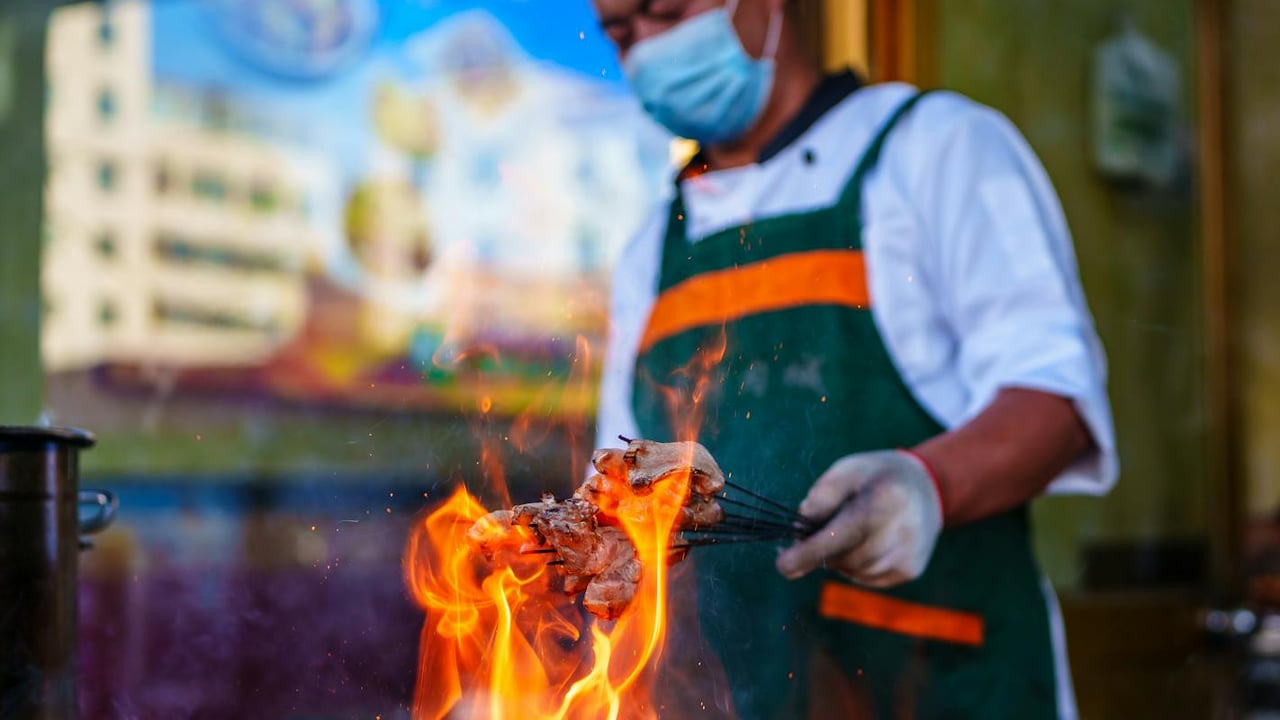

The irresistible aroma of a bubbling hotpot or a roadside malatang stall is often the first thing that draws a diner in. However, in many of China's professional kitchens, that mouth-watering scent no longer comes from hours of simmering bone broth. Instead, it is the result of a few drops of a potent chemical cocktail known colloquially as ‘Piaoxiang Oil’ or ‘Fragrance Oil.’
This ‘scent enhancer’ has become a ubiquitous secret weapon in the catering industry, finding its way into everything from high-end hotpot chains to school canteens. While these products are technically legal as food-grade essences, experts warn that the industry is currently operating in a regulatory ‘gray zone.’ This environment is characterized by inconsistent standards and potential long-term health risks for frequent consumers.
The human body has a finite capacity to process these exogenous chemical substances. While small doses of common additives like propylene glycol and ethyl maltol are typically metabolized and excreted, chronic overexposure can place a significant burden on the liver and kidneys. Medical experts point out that the liver’s enzymatic activity and the kidney’s filtration functions have clear thresholds that, when exceeded, lead to metabolic distress.
The current regulatory landscape remains fragmented. Many manufacturers bypass stringent national standards by adhering to outdated or overly broad corporate guidelines. This allows for misleading labeling that obscures the chemical nature of the product. Furthermore, some manufacturers fail to provide clear safety dosages, essentially leaving chefs to ‘experiment’ with chemical concentrations in public meals.
Beyond health concerns, there is a troubling economic shift taking place. A synthetic soup base created with fragrance enhancers costs between one-fifth and one-tenth of the price of traditional, slow-cooked broth. This massive cost disparity is fueling a ‘race to the bottom’ where authentic vendors struggle to compete against chemically-boosted rivals who offer more intense, albeit artificial, flavors at lower prices.