
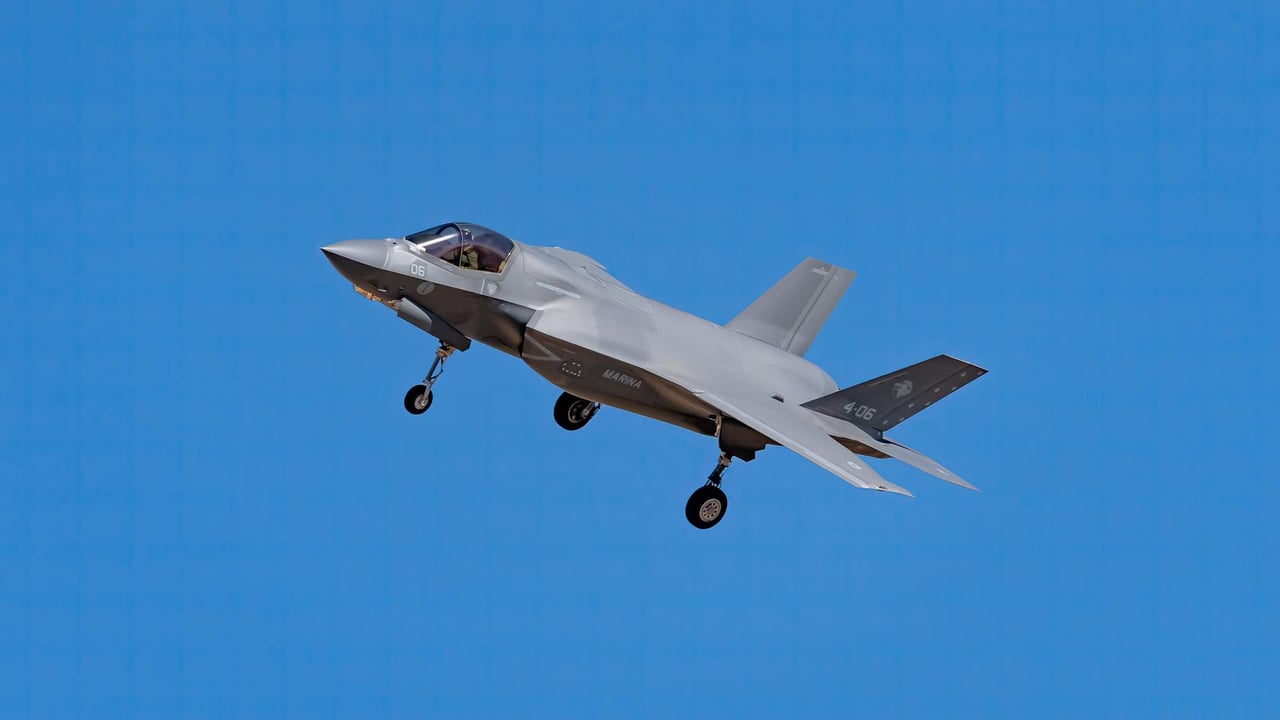

Tensions in the Middle East have reached a fever pitch as the Islamic Revolutionary Guard Corps (IRGC) claims to have downed two American F-35 Lightning II stealth fighters within a single twelve-hour window. According to a statement released by the IRGC’s public relations wing, the second aircraft was reportedly intercepted by air defense systems over central Iran, resulting in the total destruction of the airframe and the unknown status of its pilot. These claims, which surfaced via Chinese digital media platforms on April 3, 2026, suggest a significant escalation in kinetic engagement between Tehran and Washington.
The IRGC has characterized these military actions as a direct response to recent rhetoric from the United States administration, specifically citing provocations from President Trump. Iranian media outlets have circulated images purportedly showing debris from the downed stealth fighters to bolster their narrative of a successful strike against the pinnacle of American aviation technology. Prior to this alleged incident, Tehran claimed a separate victory on April 2, stating an 'advanced enemy aircraft' was struck near Qeshm Island in the Strait of Hormuz before crashing into the Persian Gulf.
United States Central Command (CENTCOM) has moved swiftly to dismiss these assertions as baseless propaganda, maintaining that all U.S. assets in the region are fully accounted for and operational. The discrepancy between the two accounts highlights the fog of war and the aggressive information operations currently defining the Persian Gulf's security landscape. While the IRGC attempts to project a capability that can neutralize low-observable technology, the U.S. military insists its 'inventory of readiness' remains intact.
This development occurs against a backdrop of deteriorating diplomatic relations and a heightened military presence in the region's critical chokepoints. The mention of specific political leaders in the IRGC’s statement underscores the ideological nature of this conflict, where military claims are often secondary to domestic and regional posturing. As both sides continue to maneuver in the physical and digital domains, the risk of a miscalculation or a localized skirmish evolving into a broader regional war remains a primary concern for international observers.