
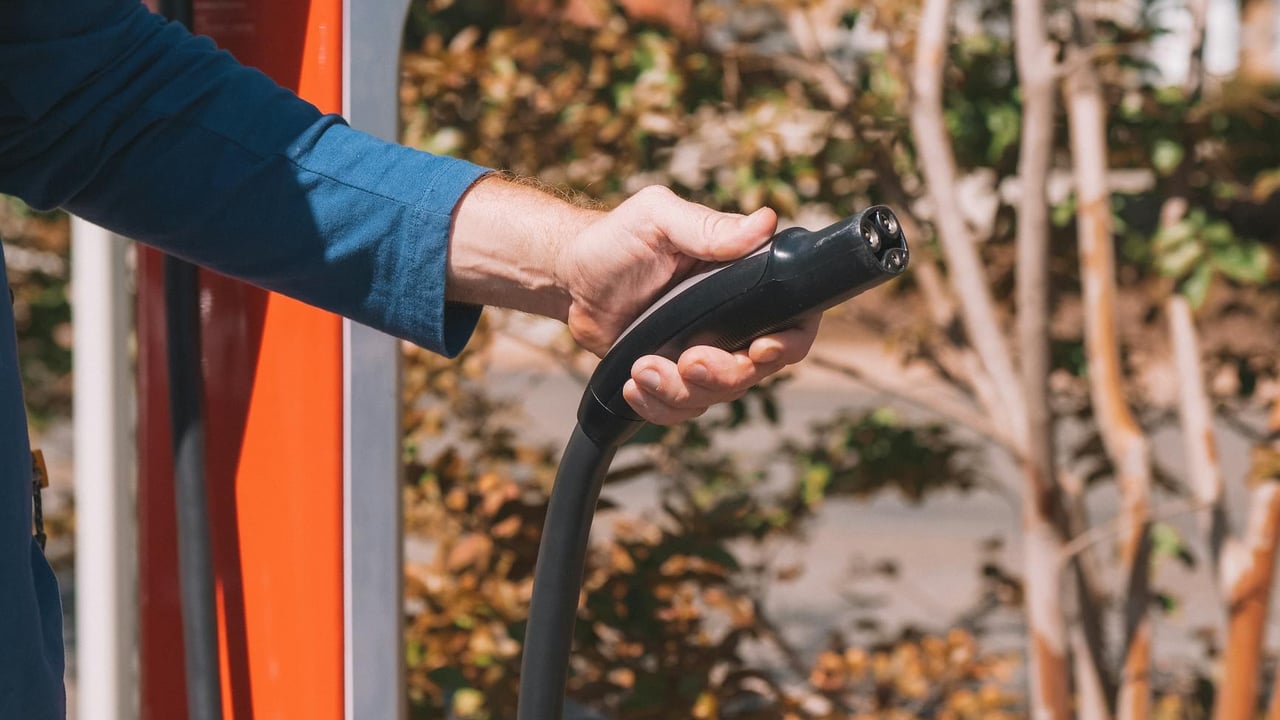

Tesla has officially surpassed the milestone of 80,000 Superchargers globally, a figure that underscores the company’s enduring commitment to its proprietary charging ecosystem. This achievement comes at a pivotal moment as the American EV giant navigates an increasingly crowded marketplace where charging accessibility has become the primary battlefield for consumer loyalty. In the early years of the electric transition, Tesla’s private network was a unique selling point that few could match, but the landscape in 2026 has shifted dramatically.
In China, the world’s most aggressive EV market, Tesla’s network remains a significant strategic moat, yet domestic rivals are rapidly eroding this advantage. Companies like BYD and Li Auto are pivoting from vehicle-only strategies to massive infrastructure investments, with BYD reportedly deploying "Flash Charge" stations at 100-kilometer intervals along major national highways. This domestic surge aims to commoditize fast-charging, making the convenience once exclusive to Tesla owners available to the broader public.
Despite the infrastructure success, Tesla is facing notable headwinds in the Chinese market. Recent data indicates a widening gap between production and sales, with a reported 50,000-unit surplus in the first quarter of 2026 alone. This inventory buildup, combined with aggressive price-cutting and technological leapfrogging by local players like Avatr, suggests that a robust charging network may no longer be sufficient to maintain total market dominance.
The Chinese consumer is also becoming more discerning regarding the total value proposition. While Tesla’s minimalist design and Supercharger reliability are still highly regarded, local competitors are winning on localized software, superior interior luxury, and hardware features tailored for the domestic digital lifestyle. The "charging war" is no longer just about the quantity of plugs, but about how seamlessly those plugs integrate into a diverse and competitive technological ecosystem.