

The chasm between White House rhetoric and the tactical reality in the Persian Gulf has widened significantly following a series of high-profile military setbacks. Just 48 hours after President Donald Trump declared a "decisive and overwhelming victory" over Iranian forces, Tehran has successfully downed two American combat aircraft. These incidents challenge the administration's claim of air superiority and raise urgent questions about the safety of U.S. personnel in the region.
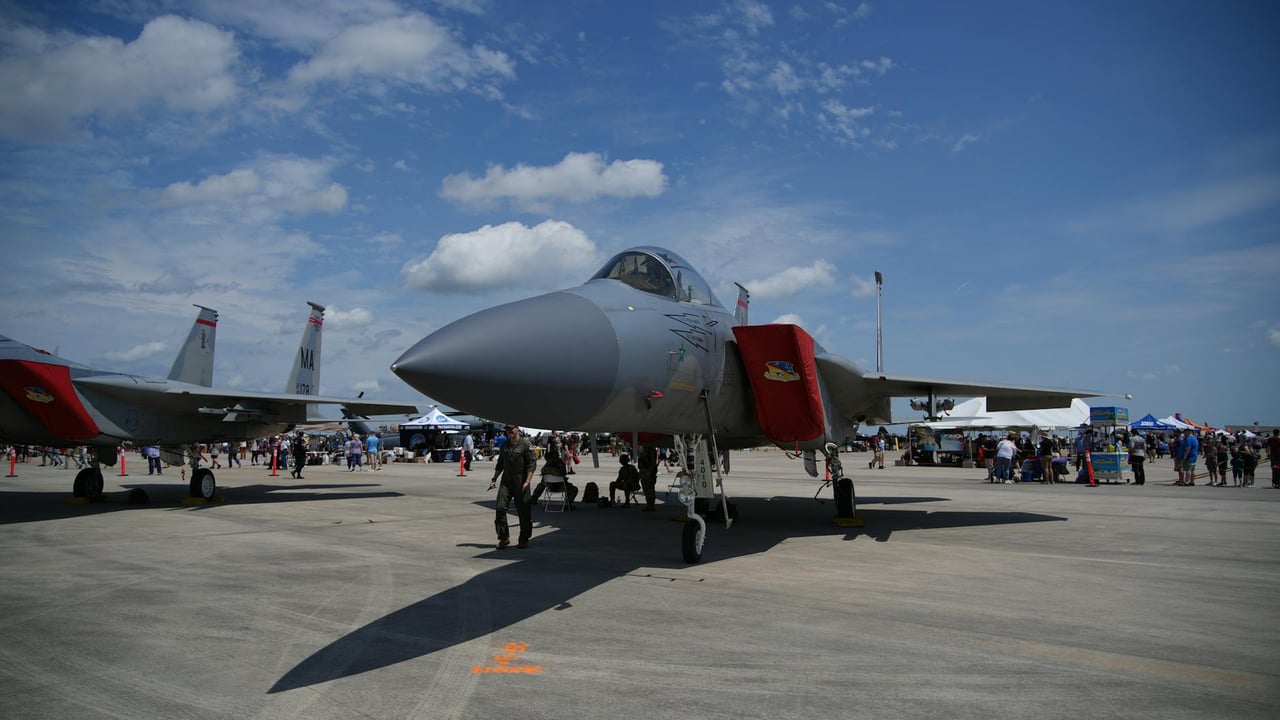
On April 3, an F-15E Strike Eagle was brought down over Iran’s Khuzestan province, triggering a complex and dangerous search-and-rescue mission. While one pilot was successfully extracted with the aid of Israeli intelligence, the second crew member remains missing. The rescue operation itself came under heavy fire, with two HH-60 Pave Hawk helicopters sustaining damage and crew injuries from Iranian ground units.
In a secondary engagement near the Strait of Hormuz, an A-10 Thunderbolt II was also downed while providing support for the rescue efforts. The pilot managed to navigate the crippled aircraft into Kuwaiti airspace before ejecting, but the loss of two primary airframes in a single day represents a significant blow to U.S. prestige. This surge in kinetic activity follows a separate incident in March where three American jets were lost to friendly fire in Kuwait.
Despite the escalation, President Trump has adopted an unexpectedly restrained tone, stating that the losses will not derail potential negotiations with Tehran. This pivot suggests a White House eager to avoid a full-scale regional war, even as its previous claims of a "quick victory" are undermined by the persistence of Iranian air defenses. The involvement of Israeli intelligence in the pilot recovery further highlights the deepening, yet often shadowed, security architecture of the anti-Iran coalition.