
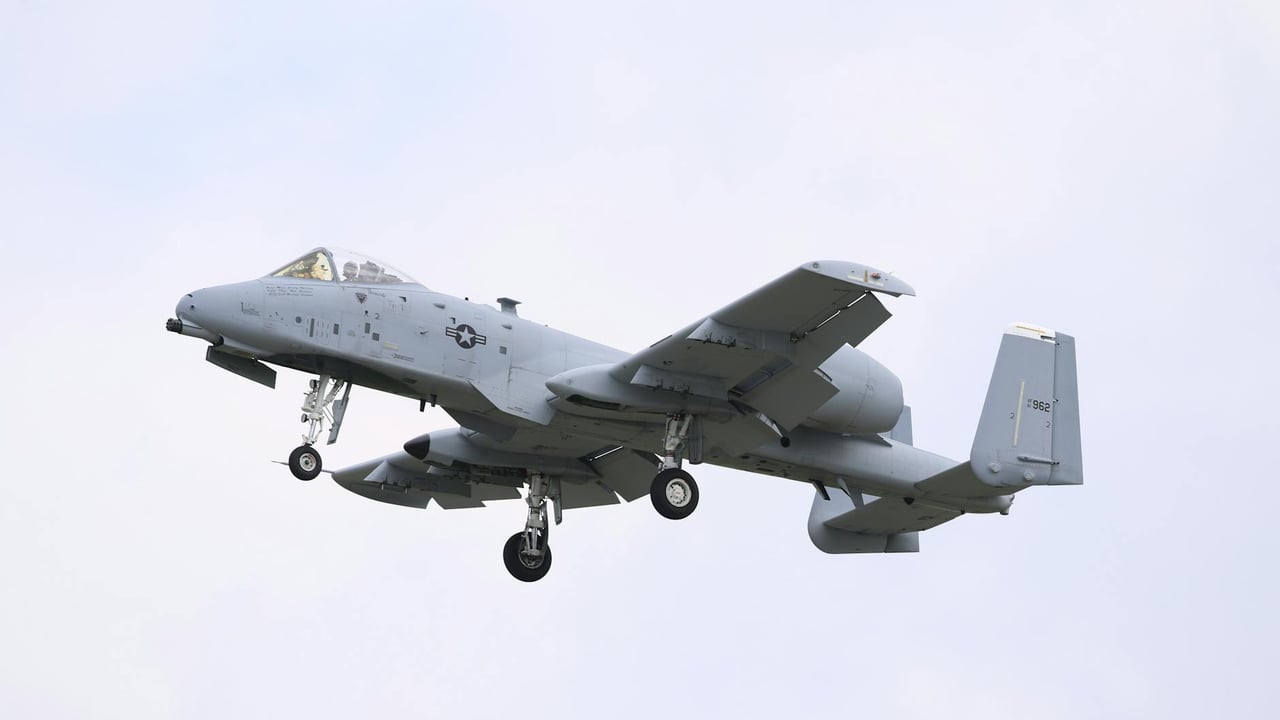

The recent shootdown of two United States military aircraft by Iranian forces within a 24-hour window has underscored the volatile reality of the Persian Gulf conflict. On April 3rd, an F-15E Strike Eagle and an A-10 Thunderbolt II were brought down, marking a significant blow to U.S. air operations in the region. These losses come at a particularly awkward moment for the White House, surfacing less than 48 hours after President Trump declared a "decisive" victory over Tehran.
The F-15E was reportedly intercepted over Khuzestan province, a region near the Iraqi border where Iranian anti-air defenses remain robust. A massive search-and-rescue mission involving HH-60 Pave Hawks, an HC-130J, and MQ-9 Reaper drones was immediately launched into Iranian airspace. While one pilot was successfully recovered with the assistance of Israeli intelligence, the fate of the second crew member remains unknown as search efforts continue under high-risk conditions.
In a separate engagement near the strategic Strait of Hormuz, an A-10 "Warthog" was targeted while providing overwatch for the search-and-rescue teams. The pilot managed to guide the crippled aircraft into Kuwaiti airspace before ejecting safely. This second incident demonstrates that Iranian forces are not only defending their borders but are capable of threatening U.S. assets engaged in humanitarian and recovery roles.
Despite the loss of advanced hardware and the wounding of several helicopter crew members by small arms fire, President Trump has remained remarkably sanguine. In a phone interview with NBC, the President asserted that these military setbacks would have no bearing on the ongoing diplomatic efforts with Tehran. This stance highlights a strategic disconnect between the administration's public optimism and the increasingly dangerous kinetic environment faced by pilots on the ground.
The involvement of Israeli intelligence in the recovery operation further complicates the regional dynamic, drawing Washington’s closest ally directly into the friction point. As Tehran continues to prove its defensive resilience, the narrative of an "overwhelming victory" appears increasingly premature. The coming days will test whether the U.S. can maintain its diplomatic posture while suffering tangible losses in a contested battlespace.