
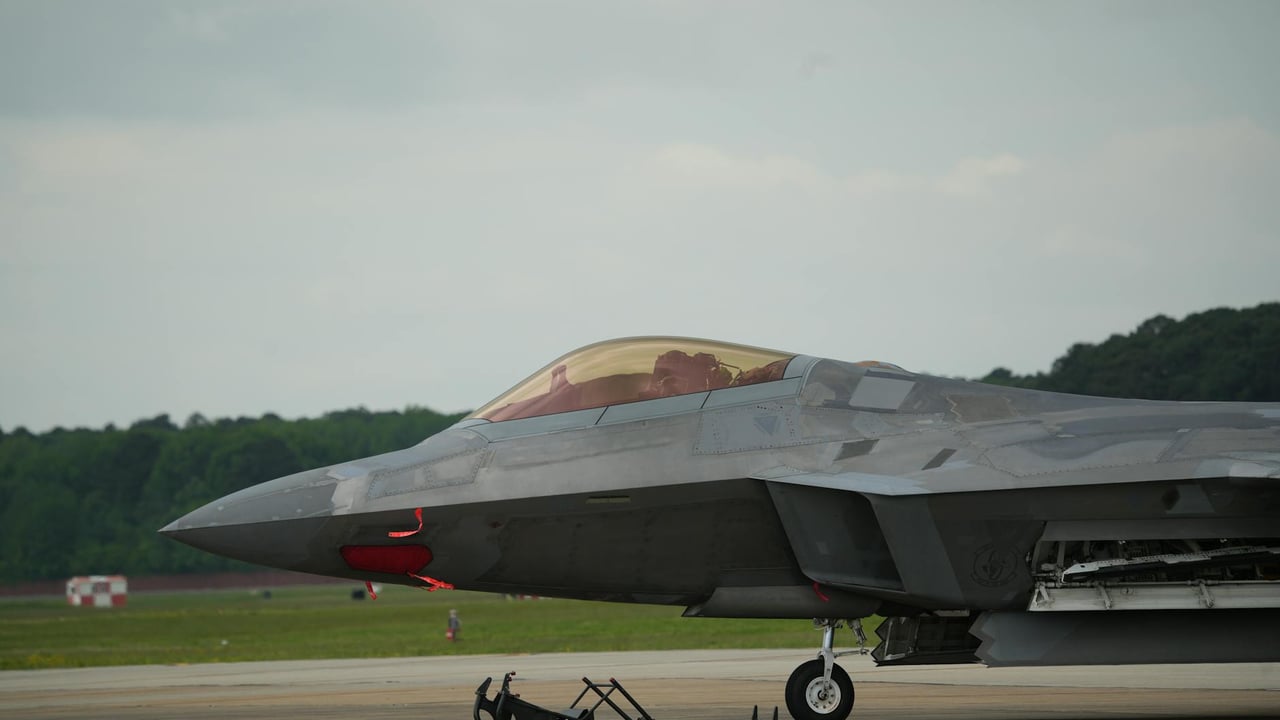

The strategic boundaries of the US-Japan alliance are blurring as assets stationed in the Pacific are increasingly leveraged for operations in the Middle East. Brigadier General John Garamore, commander of Kadena Air Base in Okinawa, recently acknowledged that the 18th Wing has been deployed to support US Central Command (CENTCOM) operations targeting Iranian interests. While the specific locations and mission parameters remain classified, the admission confirms that Japan-based units are now active participants in global kinetic conflicts far beyond the Indo-Pacific theater.
This deployment is part of a broader trend of utilizing Okinawa as a logistical springboard for American global force projection. The 31st Marine Expeditionary Unit and the amphibious assault ship USS Tripoli, both typically assigned to regional security in East Asia, have also been redirected to the Middle East. These movements underscore a significant shift in how the Pentagon views its forward-deployed assets, prioritizing flexibility over regional containment.
The revelation has reignited a sensitive debate regarding the legal and sovereignty constraints of the US-Japan Security Treaty. Historically, the 'prior consultation' mechanism was designed to give Tokyo a say in how US forces stationed on its soil are utilized for overseas combat. However, the unilateral nature of these recent deployments suggests that this mechanism has become largely ceremonial, leaving Japan with little oversight over the offensive actions launched or supported from its territory.
For Tokyo, the situation presents a dual-edged sword of strategic relevance and political risk. While the integration of these forces demonstrates the indispensable nature of the alliance to global security, it also heightens the risk of 'entrapment'—a long-standing fear that Japan could be indirectly drawn into Middle Eastern or global conflicts. As Kadena matures into a 'free-strike' node for the US military, the local Okinawan sentiment and national constitutional debates are likely to intensify.