

The shadow of a prolonged conflict in the Middle East has grown longer following a rare admission of miscalculation from the upper echelons of the Israel Defense Forces (IDF). Maj. Gen. Rafi Milo, the head of the IDF’s Northern Command, recently acknowledged a significant 'gap' between intelligence assessments and the actual resilience of Hezbollah. This admission, caught on tape during a tense meeting with residents of Misgav Am, suggests that the perceived successes of late 2024's 'Operation Northern Arrows' may have been overstated, as the Lebanese militant group continues to exhibit a potent and concerning operational capacity.
Despite sustaining heavy losses, Hezbollah remains capable of launching large-scale rocket barrages targeting military installations. This persistent threat has fueled frustration among Israeli border communities, where the atmosphere remains fraught with anxiety. Gen. Milo’s remarks served as both a military status report and a political apology, particularly regarding the accidental death of a local resident by IDF fire, highlighting the mounting domestic pressure on the military to secure the northern front.
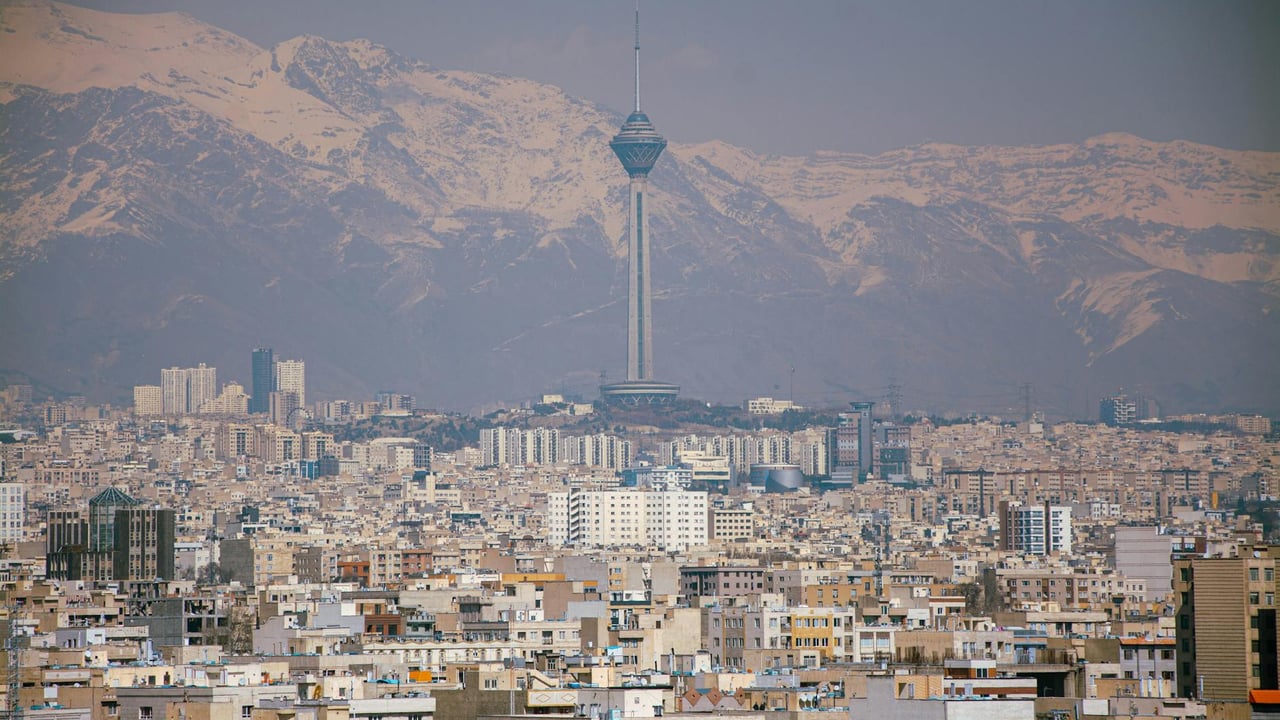
Perhaps more significant than the tactical assessment of Hezbollah is the strategic shift regarding Iran. For years, the rhetoric emanating from both Jerusalem and Washington has frequently flirted with the prospect of 'regime change' in Tehran. However, Gen. Milo’s private assessment paints a different picture, describing the Iranian regime as 'stable' despite internal domestic turbulence. This suggests that the IDF is beginning to discount the likelihood of a collapse from within, regardless of external military pressure.
This shift in perspective leads to a pragmatic, if politically difficult, conclusion: the necessity of a 'deal.' By acknowledging that the Iranian regime is unlikely to be toppled by current military operations, Israeli leadership is signaling a potential pivot toward a diplomatic framework. This realism is bolstered by intelligence indicating that while Iran’s ballistic missile stockpile has been depleted by more than half through combat and air strikes, it still maintains over 1,000 missiles capable of striking Israeli territory.
Ultimately, the recordings reveal a military leadership grappling with the limitations of kinetic power. As the conflict stretches into 2026, the transition from seeking total victory to managing a stable deterrent suggests that the regional architecture is settling into a new, albeit fragile, equilibrium. For the inhabitants of northern Israel and the broader international community, the path forward appears less likely to be paved with 'regime change' and more likely to involve the complex, grinding work of high-stakes diplomacy.