
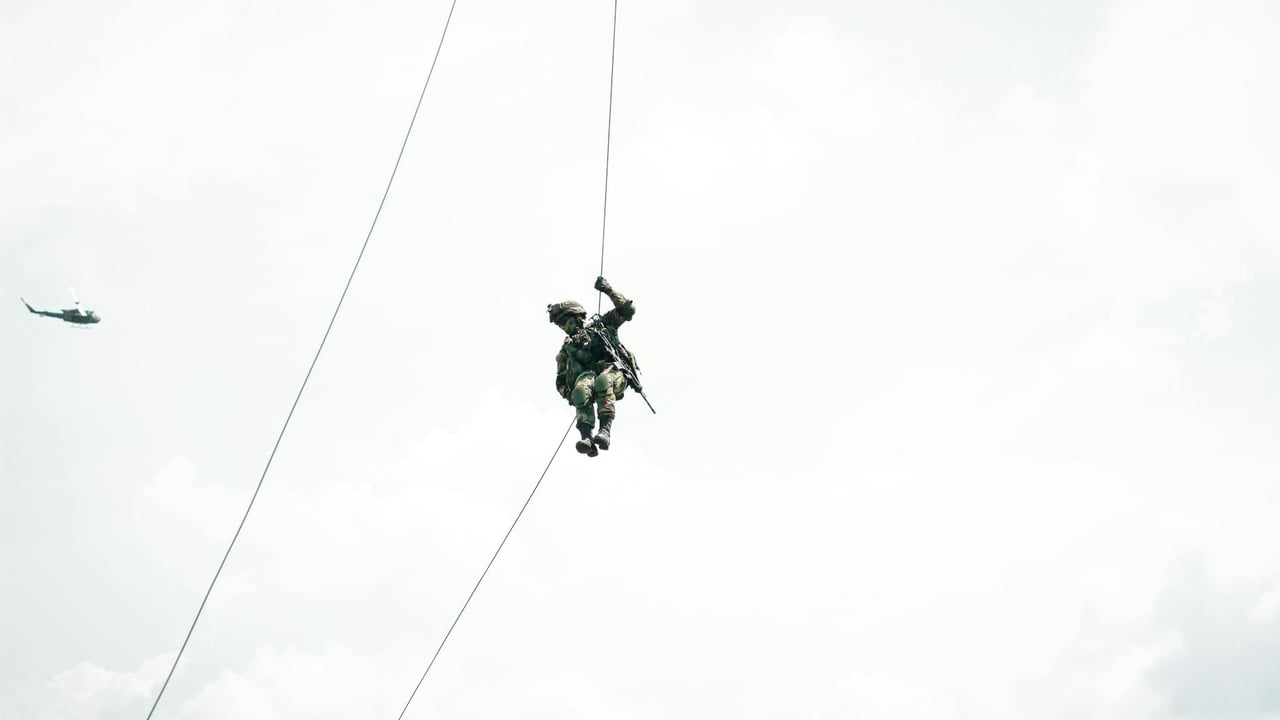

In a high-stakes gamble that underscores the escalating volatility in the Middle East, elite American special operators reportedly executed a daring night-time rescue deep within Iranian territory. The operation, which took place in a remote mountainous region, involved nearly a hundred personnel from the military’s most secretive units. This mission marks one of the most significant kinetic actions by US forces on Iranian soil in recent years, signaling a dramatic shift in tactical risk-taking.
Moving under the cover of darkness, the rescue team utilized advanced terrain-masking flight paths to evade Iranian air defense networks. The target was a series of improvised concealments within a rugged rock formation, where captives had been held away from established military installations. The precision of the infiltration suggests a high level of actionable intelligence and a sophisticated integration of electronic warfare to blind local monitoring systems.
While the tactical execution was successful, the strategic implications of violating Iranian sovereignty are profound. Such an operation suggests that Washington has prioritized the immediate recovery of personnel over the potential for a broader diplomatic or military conflagration. It forces Tehran to confront significant gaps in its internal security and airspace monitoring, potentially triggering a reshuffling of its domestic defense priorities.
The timing of the raid, occurring during a period of heightened regional tensions in 2026, serves as a stark reminder of the fragile balance of power. As the dust settles, the international community is closely watching for Iran's retaliatory posture. This event likely sets a new precedent for how 'gray zone' conflicts are managed, where the line between clandestine intelligence gathering and overt military intervention becomes increasingly blurred.