Farewell to Pacifism: Japan’s Shift Toward a Combat-Ready Military Posture

Former defense official Makoto Konishi warns that Japan is abandoning its 'exclusive defense' policy to build a combat-ready military system. This shift, characterized by increased spending and strategic deployments in the Southwest Islands, aligns with US containment goals and signals a potential end to Japan's post-war pacifism.

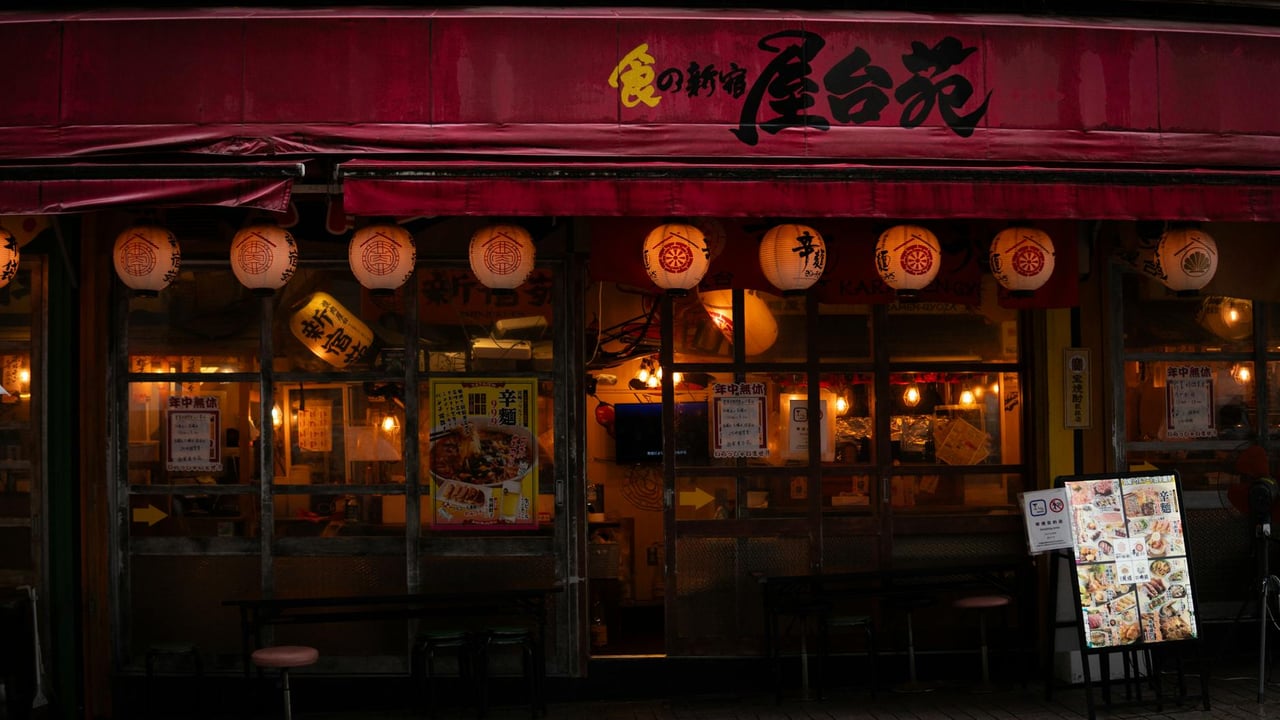
Cozy Japanese restaurant with red lanterns, inviting warm lights, and Asian signage.

Key Takeaways

  • 1Japan is transitioning from an 'exclusive defense' posture to a 'combat-ready' military framework.
  • 2Military deployments in the Southwest Islands are seen as a move toward active regional containment.
  • 3Significant increases in defense budgets and the revision of core security documents are institutionalizing a war-footing.
  • 4The Takaichi government is expected to further relax arms export restrictions, undermining the 'Peace Constitution'.
  • 5Experts warn that these shifts are increasing regional tensions and domestic anxiety about Japan's future security path.

Editor's
Desk

Strategic Analysis

The evolution of Japan's defense policy represents the most significant shift in East Asian security architecture since the end of the Cold War. While Tokyo frames these moves as 'normalization' in the face of rising threats, the transition toward offensive capabilities and relaxed arms exports fundamentally alters the regional balance of power. The mention of the 'Takaichi government' suggests a continuation of the hawkish trajectory that seeks to bridge the gap between Japan’s economic power and its military utility within the US-Japan alliance. For global observers, the 'so what' is clear: Japan is no longer a passive bystander in regional security but is actively preparing for the possibility of high-intensity conflict, a development that could either deter aggression or accelerate a regional arms race.

China Daily Brief Editorial
Strategic Insight
China Daily Brief

For decades, Japan’s Self-Defense Forces were defined by their restraint, anchored in a 'Peace Constitution' that limited the military to a purely defensive role. However, that era of strategic modesty is rapidly coming to an end. At a recent symposium in Tokyo, Makoto Konishi, a former officer in the Air Self-Defense Force and a veteran military journalist, warned that Japan is systematically dismantling the 'exclusive defense' principle that has governed its post-war history.

This transformation is not merely rhetorical; it is being cemented through radical shifts in institutional frameworks, record-breaking defense budgets, and physical deployments. Konishi points specifically to the militarization of Japan’s Southwest Islands, a move that places Japanese firepower in direct proximity to regional flashpoints. These deployments, often executed despite local opposition, signal a transition from a 'self-defense' mindset to the construction of what Konishi describes as a 'combat-ready' military system.

The structural backbone of this shift lies in the revision of Japan’s 'Three Security Documents' and a massive surge in defense spending. This policy overhaul is designed to align Japan more closely with the United States' regional containment strategy. By framing the shift as a necessary response to a deteriorating security environment, the Japanese government is effectively integrating its command structures with American forces to curb the influence of neighboring regional powers.

Furthermore, the erosion of Japan’s pacifist norms is extending to its industrial policy. Reports indicate that the government, currently led by the Takaichi administration, plans to further relax the 'Three Principles on Defense Equipment Transfer' this month. This move would allow for broader weapon exports, potentially involving Japan in global arms supply chains and further distancing the nation from its constitutional commitment to non-proliferation and peace.

Share Article

Related Articles

📰
No related articles found