
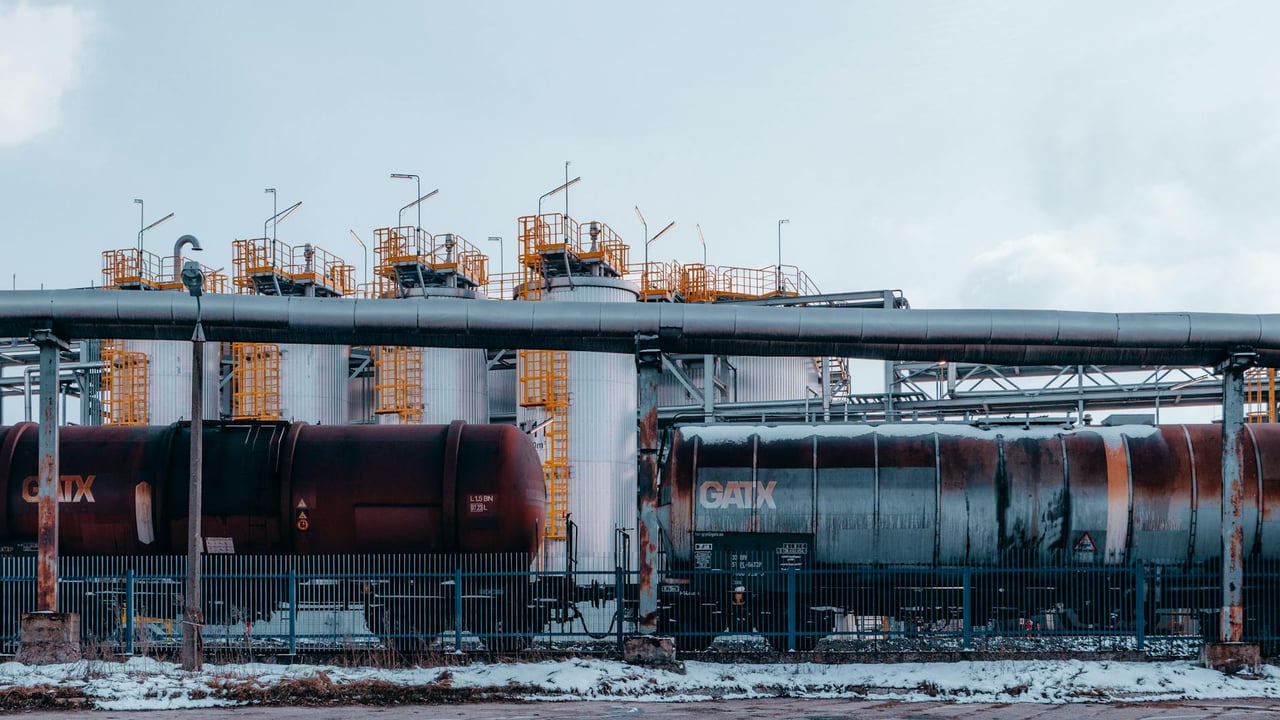

Global energy markets are reeling as the conflict between Iran and the U.S.-Israeli axis shifts from a shadow war into a direct campaign of industrial attrition. West Texas Intermediate (WTI) surged past $116 a barrel following reports of devastating strikes on key petrochemical hubs in both Iran and Saudi Arabia. The volatility reflects a growing consensus that the diplomatic window to avoid an all-out regional war is rapidly closing.
Israeli Prime Minister Benjamin Netanyahu has significantly upped the ante, confirming that Israeli forces destroyed Iran’s largest petrochemical facility. In a video statement, Netanyahu described the operation as a systematic dismantling of the Islamic Revolutionary Guard Corps' (IRGC) financial infrastructure. This aggressive posture was reinforced by a private appeal to U.S. President Donald Trump, urging Washington to reject any ceasefire that would allow Tehran to retain its nuclear enrichment capabilities.
The conflict’s reach expanded dramatically with a massive strike on the Jubail Industrial Zone in northeastern Saudi Arabia. As one of the world’s most critical petrochemical clusters, accounting for nearly 8% of global production, the facility hosts massive joint ventures involving Saudi Aramco, Dow Chemical, and TotalEnergies. The attack marks a dangerous escalation, signaling that energy infrastructure across the entire Persian Gulf is now a legitimate target in the eyes of the combatants.
Diplomatic efforts led by Egypt, Turkey, and Pakistan are reportedly nearing collapse as a U.S.-imposed deadline for an Iranian surrender approaches. Negotiators describe a chaotic landscape where the very success of the military campaign has hindered the prospects for peace. The destruction of Iranian communication networks and the deaths of senior officials have left mediators struggling to identify credible interlocutors within the IRGC or the Supreme National Security Council.
President Trump remains a wildcard in this escalating crisis, balancing a desire to avoid another prolonged Middle Eastern war with his demand for a total Iranian capitulation. While the White House has maintained a hard line on uranium enrichment, Trump is reportedly sensitive to the American public's limited patience for further military intervention. However, with the deadline looming, the path toward a negotiated settlement appears increasingly obstructed by the realities on the ground.