
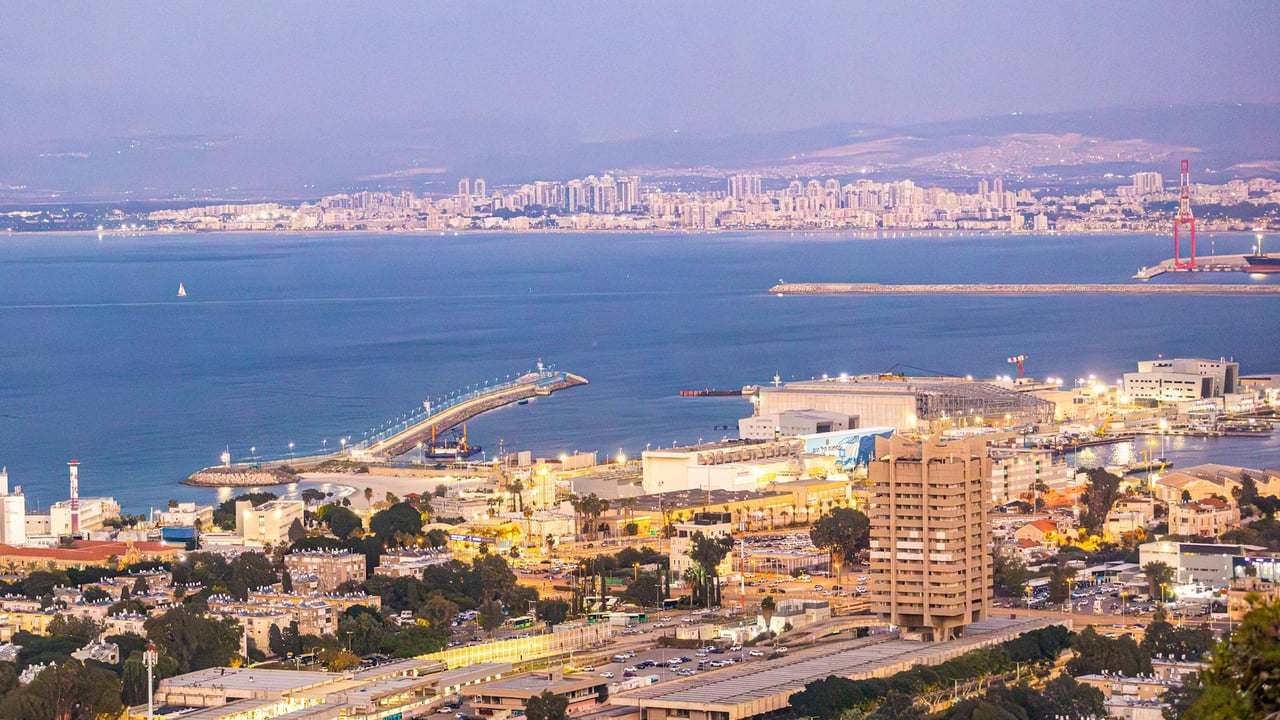

The rhetoric emanating from Tehran has reached a fever pitch following a series of missile strikes targeting the Israeli port city of Haifa. Iranian state-affiliated outlets are trumpeting the assault as a definitive shift in the regional balance of power, claiming that their latest barrage bypassed Israel's sophisticated air defense network entirely. This narrative suggests a significant breach in the air defense systems that have long been the cornerstone of Israeli security and psychological deterrence.
By framing the bombardment as a failure of Israeli technology, Iran is attempting to undermine the resilience of the Israeli public and the perceived invincibility of its military leadership. The claims extend beyond mere kinetic impact, with Tehran asserting that the Israeli government has effectively abandoned its northern territories. This reflects a broader Iranian strategy to portray the current conflict not as a tactical stalemate, but as a systematic collapse of Israeli territorial integrity.
The strategic significance of Haifa cannot be overstated, as it serves as a critical industrial hub and a vital maritime gateway for the Eastern Mediterranean. Any sustained threat to this region would jeopardize economic stability and national logistical capabilities. However, these claims must be viewed through the lens of information warfare, where the perceived reality of an engagement is often prioritized over verifiable military outcomes to galvanize domestic support and regional proxies.
As the conflict enters this high-stakes phase, the focus shifts to whether these assertions indicate a genuine degradation of defensive capabilities or a desperate escalation in propaganda. For a global audience, the situation underscores the fragility of regional stability and the increasing willingness of state actors to bypass traditional deterrence through direct, high-profile strikes on urban centers.