Night Talons: Inside the PLA’s Push for Round-the-Clock Aerial Dominance

The PLA Army Aviation Corps is intensifying its 24-hour flight training regimes to achieve all-weather combat proficiency. These high-intensity exercises are designed to ensure continuous operational momentum and modernize China's aerial strike capabilities for future localized conflicts.

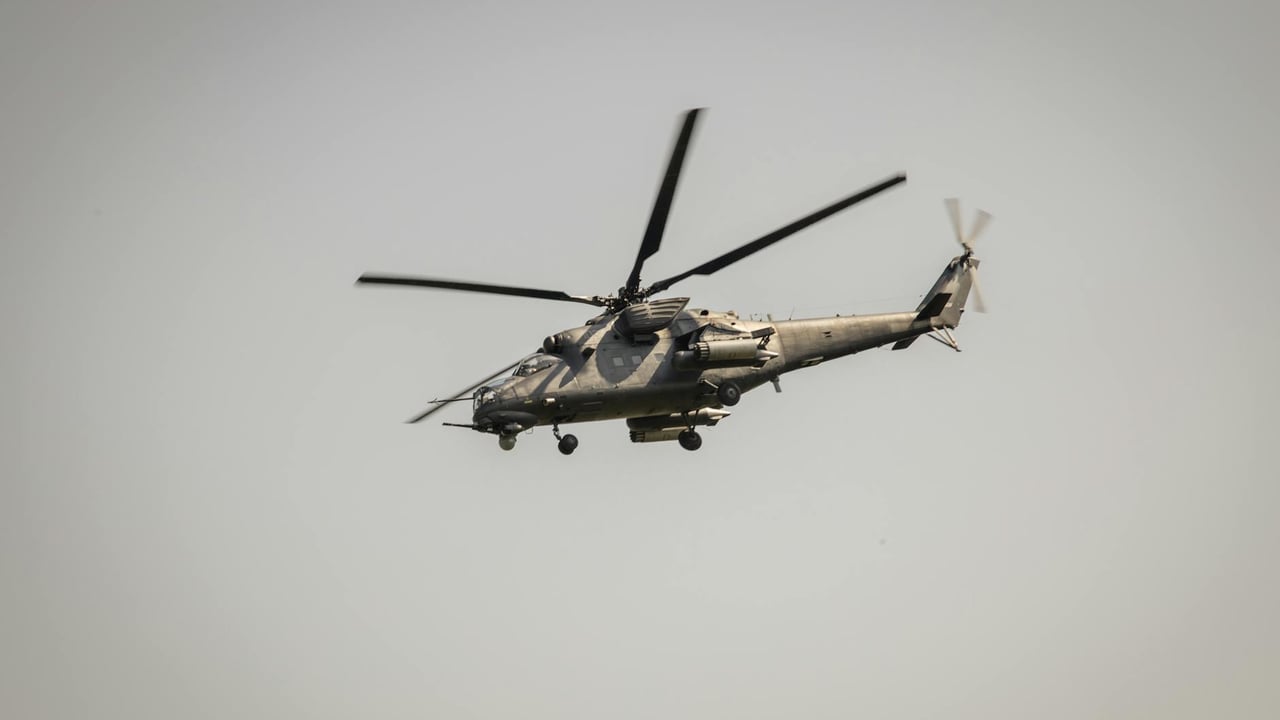
A military attack helicopter flying in the sky over Belgrade, Serbia.

Key Takeaways

  • 1PLA Army Aviation is shifting toward 'cross-day-and-night' training to ensure 24/7 combat readiness.
  • 2Exercises focus on high-risk maneuvers and instrument-only navigation to overcome low-visibility challenges.
  • 3The training aims to reduce the 'readiness gap' by testing pilot endurance and technical hardware under extreme conditions.
  • 4This initiative is part of a larger strategic transformation of the Army Aviation Corps into an independent strike force.
  • 5Enhanced nocturnal capabilities are essential for survival and lethality in modern, high-intensity electronic battlefields.

Editor's
Desk

Strategic Analysis

The focus on night-time and transition-period flight training is a clear indicator that the PLA is moving away from 'scripted' exercises toward realistic, high-intensity combat simulations. In a potential conflict scenario, such as in the Taiwan Strait or the South China Sea, the ability to operate under the cover of darkness provides a significant tactical advantage by complicating enemy air defense and surveillance. By prioritizing 'all-weather' capability, Beijing is signaling that its military modernizations are moving beyond mere hardware acquisition and into the much more difficult realm of operational mastery and pilot psychological resilience. This shift suggests the PLA is preparing for a high-tempo war of attrition where the side that can sustain operations around the clock will likely hold the strategic initiative.

China Daily Brief Editorial
Strategic Insight
China Daily Brief

As the sun dips below the horizon, the silence of the airfield is shattered by the rhythmic thrum of rotors. The People’s Liberation Army (PLA) Army Aviation units have transitioned from routine daytime maneuvers to the high-stakes environment of nocturnal combat training. These 'War Eagles' are no longer grounded by the dark; instead, they are increasingly defined by their ability to operate in the window between dusk and dawn.

Modern aerial warfare demands a continuous operational tempo that does not pause for visibility changes. The current training cycle emphasizes 'cross-day-and-night' flight, a grueling regimen designed to test the endurance of both pilots and airframes. By blurring the lines between light and dark, the PLA aims to ensure that its offensive momentum remains uninterrupted during a potential localized conflict.

Navigating a helicopter at low altitudes during the night involves a complex array of sensors, night-vision goggles, and high-precision instrumentation. Pilots must manage the psychological strain of sensory deprivation while executing tactical maneuvers that would be challenging even in broad daylight. This training is a direct response to the requirements of integrated joint operations, where army aviation must provide close air support and rapid troop insertion at a moment's notice.

This intensification of night-time drills reflects a broader strategic shift directed by the Central Military Commission to modernize China's ground forces. The goal is to transform the Army Aviation Corps from a support element into a primary strike force capable of independent, all-weather operations. For global observers, these exercises serve as a benchmark for the PLA’s evolving professionalization and its closing technological gap with top-tier Western militaries.

Share Article

Related Articles

📰
No related articles found