

A massive US military operation to rescue downed airmen in central Iran has descended into a fierce information war, with Washington and Tehran offering irreconcilable accounts of the mission’s success and human cost. President Donald Trump, speaking from the White House, characterized the incursion as a flawless 'zero-casualty' extraction of an F-15E crew. However, Iranian state media and military officials quickly countered this narrative, claiming a significant toll on American personnel and equipment in what they describe as a disastrous violation of sovereignty.
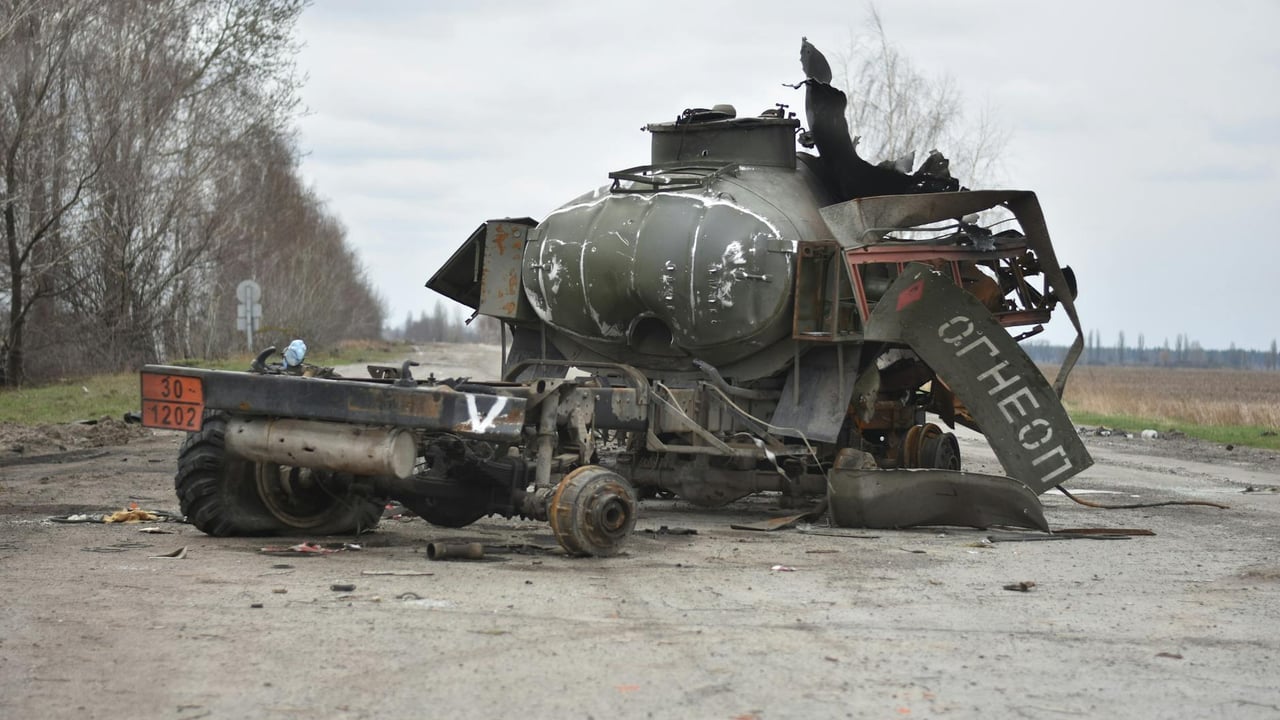
The scale of the American mobilization was unprecedented for a search-and-rescue mission, involving a staggering 155 aircraft including bombers, fighters, and nearly 50 tankers. While Trump admitted to the tactical destruction of two American transport planes that became mired in the desert sand, he maintained that all US commandos returned safely. In stark contrast, the Iranian Khatam al-Anbiya Central Headquarters reported the downing of two Black Hawk helicopters and two C-130 transport planes, asserting that multiple American soldiers were killed in the exchange.
Adding a layer of strategic mystery, the CIA and the White House have pointed to the use of 'deception operations' designed to confuse Iranian forces during the extraction. This admission coincides with Iranian allegations that the rescue was merely a 'cover mission.' Iranian Foreign Ministry spokesperson Baghaei noted a suspicious geographic discrepancy: while the F-15E crew was purportedly in Kohgiluyeh and Boyer-Ahmad Province, the US military focused its heavy-handed operation in southern Isfahan, hundreds of kilometers away.
The choice of Isfahan as the operational theater is particularly sensitive given its status as the heart of Iran’s nuclear infrastructure. Tehran has leveraged this proximity to accuse Washington of attempting to 'steal enriched uranium' under the guise of a humanitarian recovery. As both sides trade accusations of 'catastrophic scandals' and 'heroic successes,' the presence of US wreckage in the Iranian desert serves as a potent, if ambiguous, symbol of the deepening escalation between the two adversaries.