
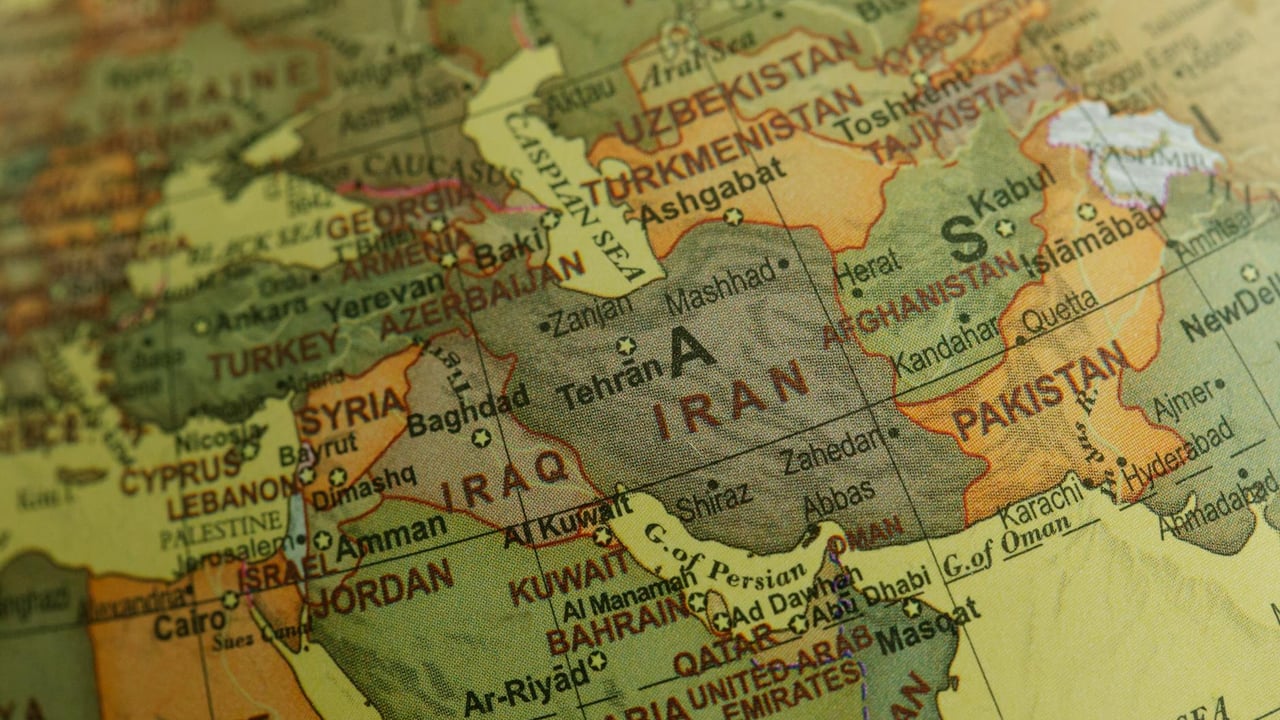

In a move that has sent shockwaves through global capitals, President Trump has set a definitive "deadline" for Iran, placing the future of Middle Eastern stability on a razor’s edge. Speaking from the White House, the President announced that the trajectory of the current conflict—whether it moves toward a decisive escalation or a diplomatic resolution—hinges entirely on Tehran's response by 8:00 PM Eastern Time on April 7.
The President’s rhetoric oscillates between cautious optimism regarding ongoing negotiations and chilling warnings of total kinetic destruction. While acknowledging that Iranian representatives appear to be negotiating in "good faith," Trump simultaneously cautioned that the entire nation could be "destroyed in a night," specifically pointing to the looming deadline as the potential zero hour for such an outcome.
This high-stakes brinkmanship comes at a time when the region is already reeling from months of intensified friction and proxy engagements. For the international community, the uncertainty of "Maximum Pressure" tactics has reached its zenith, leaving allies and adversaries alike to decipher whether the ultimatum is a genuine precursor to war or a final, aggressive push for a comprehensive grand bargain.
As the clock ticks toward the Tuesday night deadline, the global implications are profound, ranging from a potential spike in energy prices to the reconfiguration of security alliances across the Persian Gulf. The world now waits to see if this "critical period" will yield a historic diplomatic breakthrough or a catastrophic military confrontation that could reshape the 21st-century geopolitical landscape.