
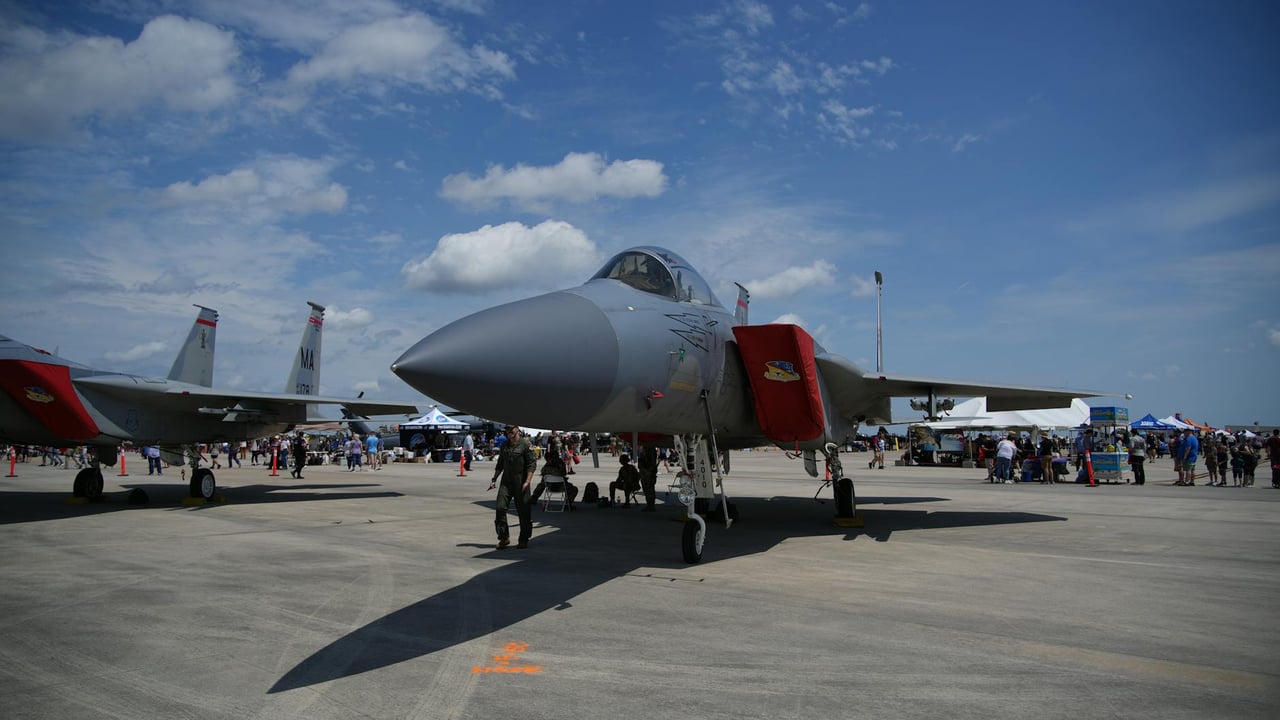

The recovery of a downed F-15E pilot in the vicinity of Iranian forces underscores the lethal complexity of modern Combat Search and Rescue (CSAR) operations. When a pilot is lost behind enemy lines, the U.S. military deploys a highly specialized ecosystem of aircraft, each filling a critical niche in a race against time and enemy capture. These operations are no longer just about extraction; they are multi-domain battles that require sophisticated coordination between high-altitude sensors and low-level firepower.
Central to this architecture is the HC-130J, a specialized variant of the venerable Hercules transport that serves as a mobile command post and aerial tanker. In the initial phases of the rescue, the HC-130J uses its advanced electro-optical and infrared sensors to scan vast swathes of territory, acting as the eyes of the mission. By providing mid-air refueling to shorter-range helicopters, it ensures that the search can continue indefinitely without the need to return to base, effectively extending the 'golden hour' for pilot recovery.
While the HC-130J monitors the skies, the HH-60W 'Jolly Green II' serves as the primary extraction tool, designed specifically to survive in 'hot' landing zones. During the recent operations, these helicopters demonstrated their resilience by returning safely despite sustaining damage from Iranian ground fire. Equipped with heavy armor, digital radar warning receivers, and automated countermeasure dispensers, the HH-60W is built to withstand the very threats that down fixed-wing aircraft, using its hoist system to pluck personnel from terrain where landing is impossible.
As the tactical situation shifts and the window for a quiet rescue closes, the U.S. military pivots toward more aggressive combat recovery using the MC-130J. This platform is capable of operating from improvised dirt strips or field airfields, transforming into a 'Forward Arming and Refueling Point' (FARP). This allows the U.S. to project power deep into contested areas, providing a temporary base of operations for ground teams and smaller, more agile helicopters like the AH-6 and MH-6 'Little Birds'.
The integration of 'Little Bird' helicopters provides the final layer of this tactical onion. The AH-6 variant offers precision close air support to suppress enemy movements, while the MH-6 carries elite commandos to secure the pilot on the ground. Together, these assets represent a shift in U.S. doctrine toward 'Agile Combat Employment,' where the ability to rapidly establish and dismantle recovery hubs in hostile territory is the difference between a successful mission and a geopolitical catastrophe.