

The Islamic Revolutionary Guard Corps (IRGC) has issued a high-stakes declaration claiming the successful interception of five American-made 'Tomahawk' missiles and an additional cruise missile over Iran's Qazvin province. The announcement, released on April 7, 2026, marks a significant escalation in the narrative of regional military friction, positioning Tehran as a capable defender against the West’s most sophisticated precision-guided munitions.
Located a mere 150 kilometers northwest of Tehran, Qazvin province serves as a critical strategic buffer for the capital. The IRGC’s assertion that these interceptions occurred in this specific airspace suggests a deep penetration of Iranian territory, framing the event as a direct challenge to the Islamic Republic's sovereignty and a successful test of its domestic integrated air defense systems.
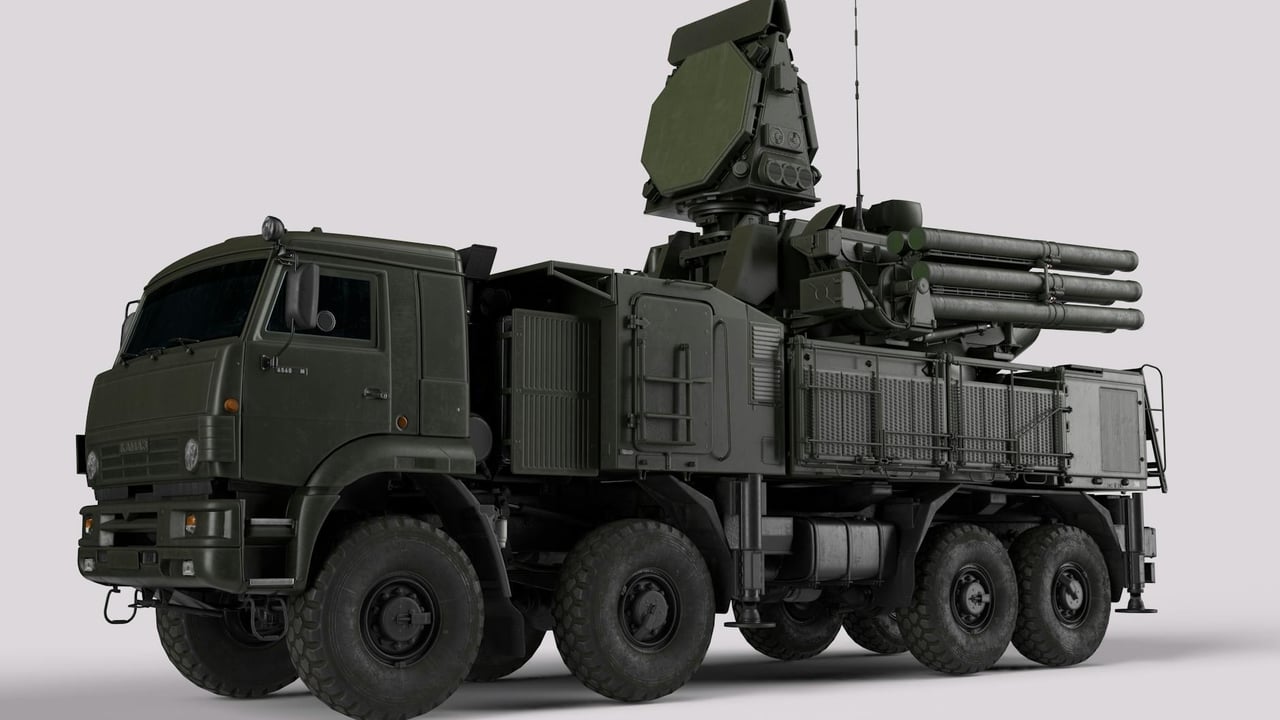
While the IRGC did not specify the origin of the missiles or the exact batteries used in the defense, the mention of the Tomahawk—a staple of the United States Navy’s long-range strike capability—is a calculated move. By claiming to neutralize these specific assets, Tehran is signaling to both domestic and international audiences that its 'Bavar' and 'Khordad' air defense platforms have reached a level of technological parity with NATO-standard hardware.
This incident occurs against a backdrop of intensifying geopolitical maneuvering in the Middle East. For Iran, such public displays of military prowess serve a dual purpose: they act as a deterrent against further aerial incursions and reinforce the regime’s narrative of self-sufficiency. However, without independent verification or a response from the alleged attackers, the claim remains a potent tool of psychological warfare in an increasingly volatile theater.