

In the bustling corridors of China’s Tier-1 cities, silence has become the ultimate luxury. A new frontier of commerce, the 'healing economy' (liaoyu jingji), is transforming middle-class burnout into a multi-trillion-yuan industry, where an hour of listening to a singing bowl can cost as much as a luxury hotel suite. This burgeoning sector reflects a profound shift in Chinese consumer behavior, as emotional relief replaces material status symbols as the primary target of discretionary spending.
The phenomenon spans a dizzying array of sub-sectors, from AI companions and pet therapy to 'mindfulness stones'—often mere pieces of polished glass marketed for their grounding properties. On platforms like Douyin and Xiaohongshu, 'entrepreneurial mentors' now pitch healing as a goldmine rivaling artificial intelligence, promising high margins and fierce customer loyalty. It is a market built on the premise that everything from a stone to a sound can be monetized if it promises to lower a consumer's cortisol levels.
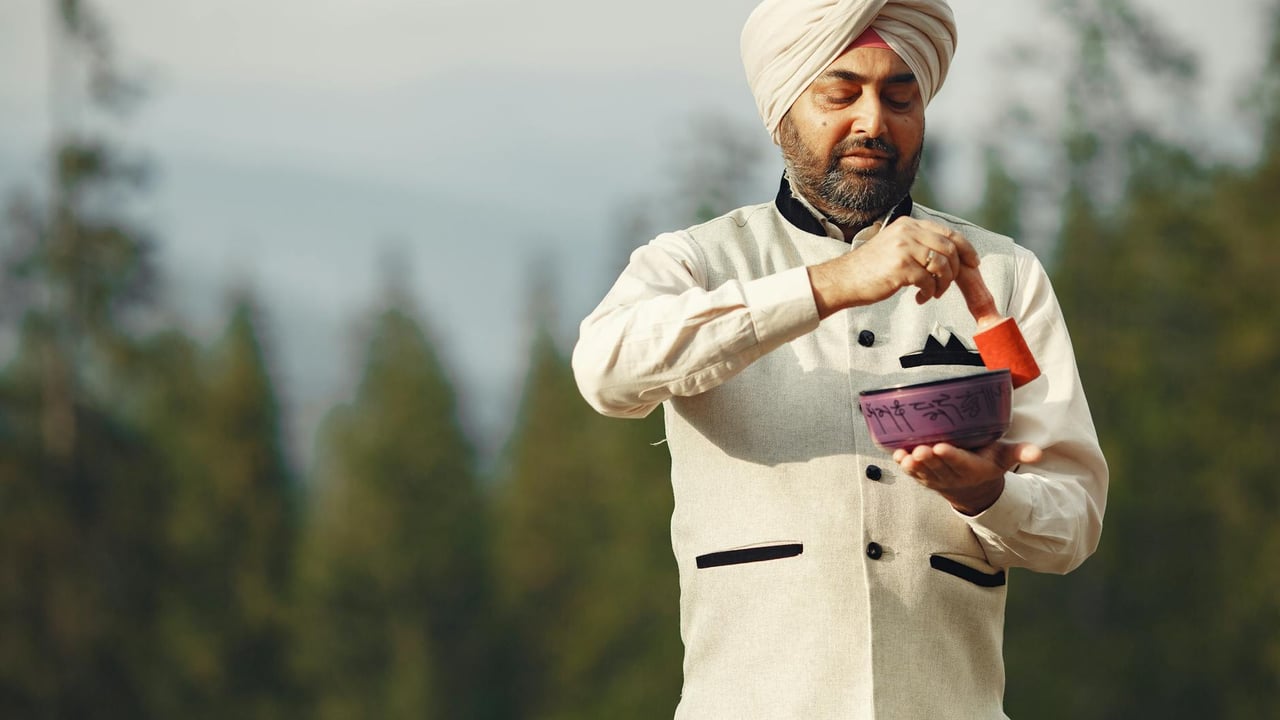
Singing bowl therapy exemplifies the trend’s polarizing nature. While a 15-minute digital sample might cost less than a dollar, offline sessions with 'master' practitioners in high-end resorts like Sanya command up to 3,980 RMB ($550) per hour. Practitioners claim these Himalayan instruments emit frequencies that synchronize brainwaves to induce repair. Yet, critics increasingly dismiss these exorbitant fees as an 'IQ tax' levied on a desperate, over-worked population.
This commercial explosion is rooted in a genuine public health crisis. Data from the Chinese Academy of Social Sciences indicates that over 38% of the Chinese population suffers from insomnia, with the highest rates found in high-pressure urban centers. For many, the 'healing' label serves as an irresistible siren song for those drowning in the 'involution' (neijuan) of the modern Chinese workplace, where long hours and intense competition are the norm.
Traditional sectors are pivoting to capture this sentiment. Hotels and rural guesthouses are rebranding as 'healing retreats,' charging premium rates for immersive sound baths and forest meditation. Even the state has taken note; while state broadcaster CCTV has analyzed the sleep economy's potential, some hospitals in Shanghai have begun integrating sound therapy into traditional Chinese medicine departments, lending the practice a veneer of clinical legitimacy.
However, the rapid ascent of the healing market has outpaced regulation. Industry insiders suggest that up to 80% of practitioners lack formal psychological or medical training, having completed only rudimentary 'certification' workshops. More alarmingly, authorities have recently cracked down on several organizations using 'spiritual healing' as a front for financial fraud and cult-like mental control, affecting thousands of victims across the country.
As the domestic market heads toward an estimated 4.5 trillion RMB valuation by 2029, the line between legitimate wellness and predatory opportunism remains blurred. For China’s exhausted urbanites, the fundamental dilemma remains whether true relief can be bought at a 'zen' workshop. In many cases, the high price of serenity may simply add to the very financial anxiety these consumers are seeking to escape.