

Global equity markets witnessed an explosive relief rally on April 8, 2026, as geopolitical fears that had paralyzed investors finally began to thaw. The Nasdaq Composite surged more than 3.6% at the open, spearheading a worldwide recovery driven by news of a temporary ceasefire between the United States and Iran. This sudden de-escalation triggered a massive 'risk-on' rotation, particularly into the high-growth technology and semiconductor sectors which had been battered by rising energy costs and supply chain anxieties.
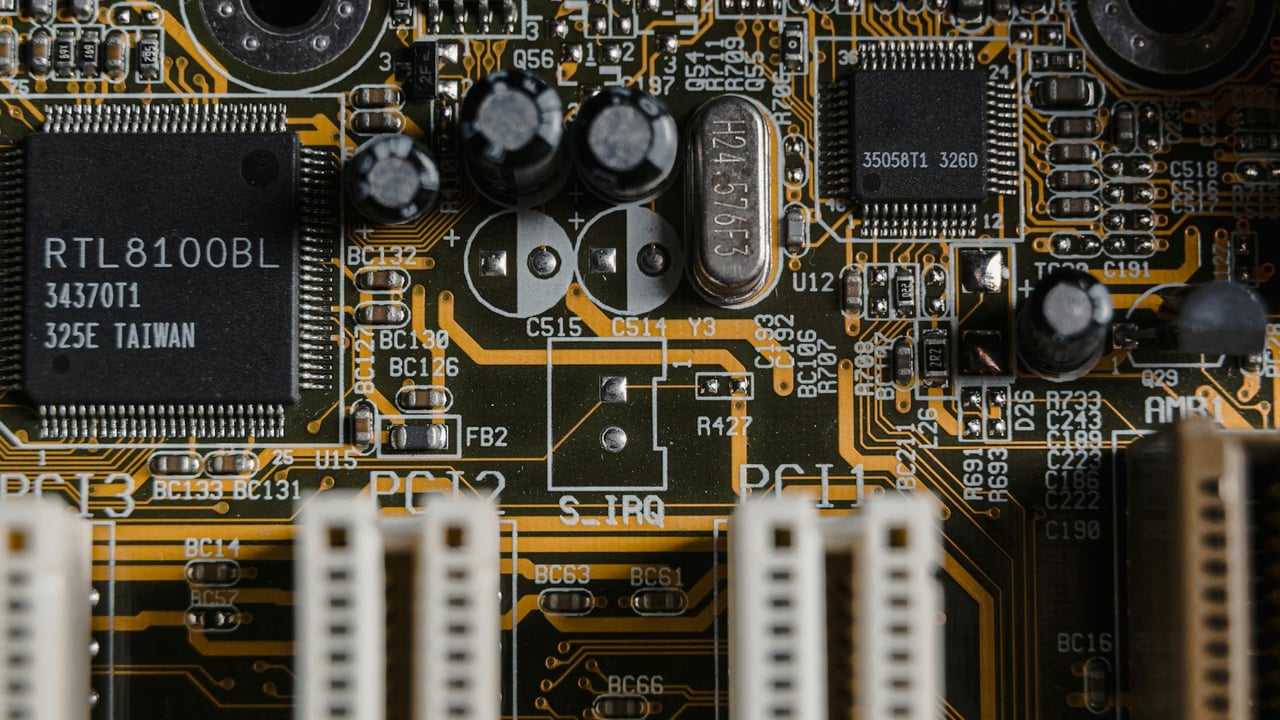
The semiconductor industry emerged as the day's primary beneficiary, with giants like Micron and Intel posting gains of nearly 9%. Investors interpreted the cooling of Middle Eastern tensions as a reprieve for global logistics and energy prices, evidenced by a dramatic 19% crash in WTI crude oil futures. Major tech players including Amazon, Meta, and Alphabet saw their valuations climb significantly, as the market pivoted away from defensive energy positions back toward the artificial intelligence and cloud infrastructure narratives that have defined this decade.
Despite the exuberant green screens on Wall Street, the rally carries a heavy dose of skepticism. The diplomatic breakthrough, reportedly brokered through Omani channels, remains precarious. Headlines suggest that while a two-week truce has been reached, Donald Trump has indicated that the deal excludes regional proxies such as Hezbollah in Lebanon. Furthermore, the volatility in the Strait of Hormuz remains a central concern for global trade, even as Oman claims new agreements have been signed to ensure the unhindered passage of merchant vessels.
Adding a somber note to the market's euphoria, Moody’s issued a stark warning that a U.S. recession may have already arrived, regardless of the geopolitical outcome. While equity indices like the S&P 500 and the Dow Jones Industrial Average hit significant psychological milestones—the latter touching 48,000—the disconnect between surging valuations and deteriorating macroeconomic fundamentals is widening. The coming weeks will determine if this surge is the beginning of a sustained recovery or merely a 'dead cat bounce' fueled by temporary diplomatic relief.