

The prospect of a direct diplomatic breakthrough between Washington and Tehran has transitioned from a remote possibility to an imminent reality. Following a tense period of kinetic exchanges, the Trump administration is reportedly finalizing preparations for a high-level, face-to-face summit with Iranian officials in Pakistan. This shift represents a dramatic pivot in a relationship that has, for years, been defined by maximum pressure and mutual hostility.
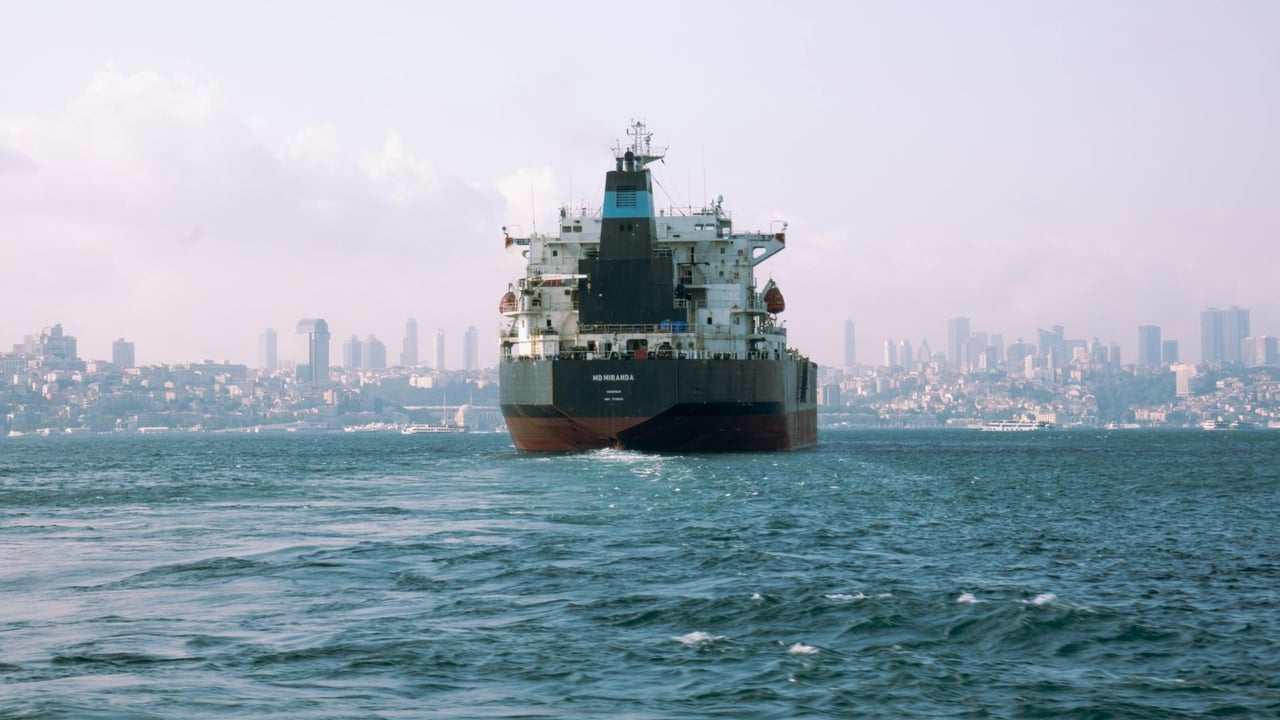
Central to this diplomatic pivot is a fragile two-week ceasefire, recently brokered to provide the necessary breathing room for high-stakes negotiations. President Trump has tied the cessation of American strikes to a clear ultimatum: Iran must ensure the immediate, full, and safe opening of the Strait of Hormuz. By leveraging military de-escalation against the security of global energy lanes, the White House is testing whether Tehran is ready to trade its primary strategic lever for economic or political relief.
The composition of the American delegation underscores the gravity with which the White House views these talks. By tapping Vice President J.D. Vance and seasoned figures such as Jared Kushner and Steve Witkoff, Trump is signaling a preference for a small, loyalist inner circle over traditional State Department channels. Kushner’s involvement, in particular, suggests a desire to replicate the transactional diplomacy that led to the Abraham Accords, focusing on a comprehensive regional reset.
Islamabad serves as the chosen backdrop for this encounter, highlighting Pakistan’s recurring role as a geopolitical bridge-builder between the Islamic world and the West. With Pakistani mediators expected to facilitate the dialogue, the goal remains the elusive 'long-term agreement' that could permanently alter the security architecture of the Middle East. While the Iranian Supreme National Security Council has confirmed its participation, the success of the mission hinges on whether both sides can move beyond temporary truces toward a sustainable coexistence.