
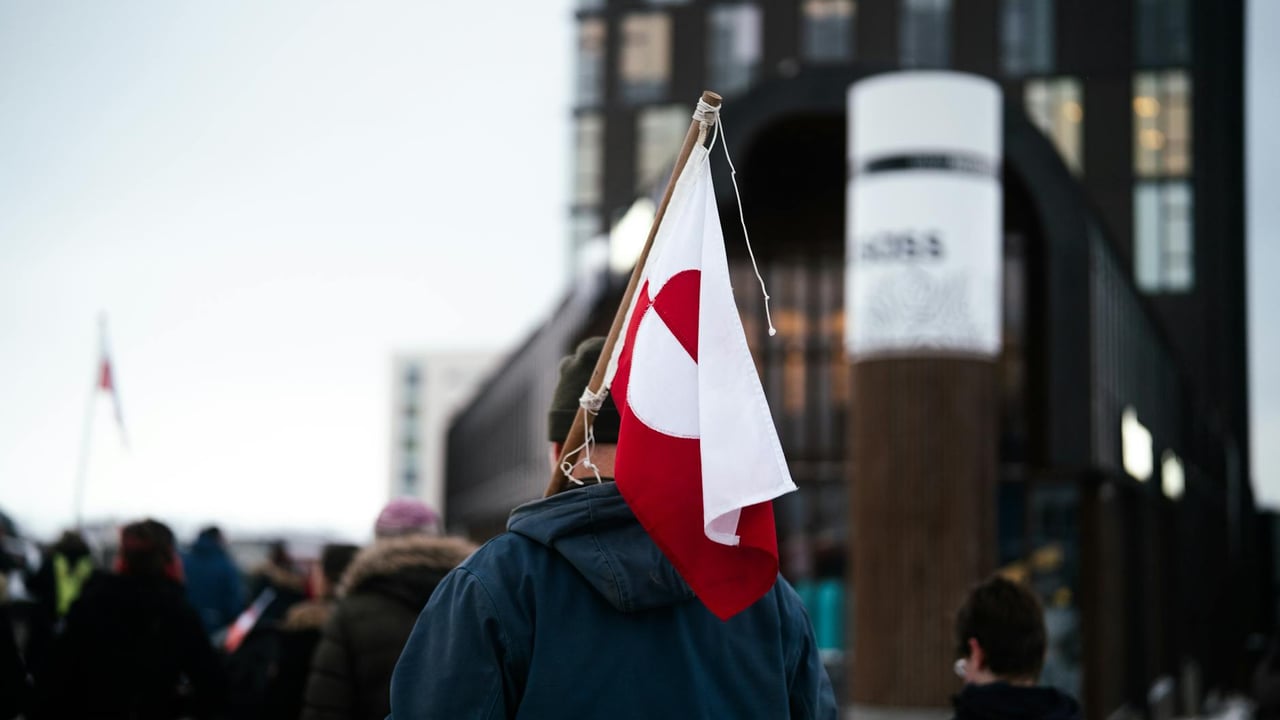

In a move that blends realpolitik with high-stakes real estate, President Donald Trump has explicitly linked the future of American participation in NATO to the acquisition of Greenland. Speaking from the White House press briefing room on April 6, 2026, the President confirmed that his recent threats to withdraw from the North Atlantic Treaty Organization are not merely about defense spending, but are rooted in Denmark’s refusal to cede the world’s largest island.
Since returning to the Oval Office last year, Trump has revitalized his idiosyncratic pursuit of Greenland, citing 'national security' and the strategic necessity of the Arctic. By labeling the decades-old alliance a 'paper tiger,' he has signaled a total departure from the collective security norms that have defined the post-WWII era. For Trump, the alliance appears to have been downgraded from a strategic pillar to a bargaining chip in a territorial negotiation.
The timing of this ultimatum is critical. It follows a period of heightened friction between Washington and its European allies over military escalations in the Middle East. With several European capitals refusing to be drawn into a joint U.S.-Israeli campaign against Iran, Trump has found a convenient pretext to question the utility of the alliance. If NATO will not serve American tactical interests in the Persian Gulf, he argues, it must at least provide tangible territorial dividends in the North Atlantic.
NATO Secretary General Mark Rutte is scheduled to meet with Trump on April 8 in what is being described as a last-ditch effort to preserve the integrity of the bloc. The President’s rhetoric remains uncompromising, stating that the friction 'all started with Greenland.' By framing the issue as a simple transaction—territory in exchange for protection—the administration is forcing a fundamental reckoning for European sovereignty.
Greenland, an autonomous territory of Denmark, holds vast untapped mineral resources and sits at the heart of emerging Arctic shipping routes. While the Danish government has previously dismissed such overtures as absurd, the renewed pressure from a second-term Trump administration suggests that Washington is willing to risk the collapse of the Western security architecture to achieve its expansionist goals in the High North.