Friction at the Front: Netanyahu Rebuffs Claims of a Trump-Led Surprise on Iran

Prime Minister Netanyahu has denied reports that the Trump administration reached a ceasefire with Iran without consulting Israel. The deal, which exchanges a pause in U.S. bombing for the reopening of the Strait of Hormuz, comes amid heightened tensions and ongoing Israeli military operations in Lebanon.

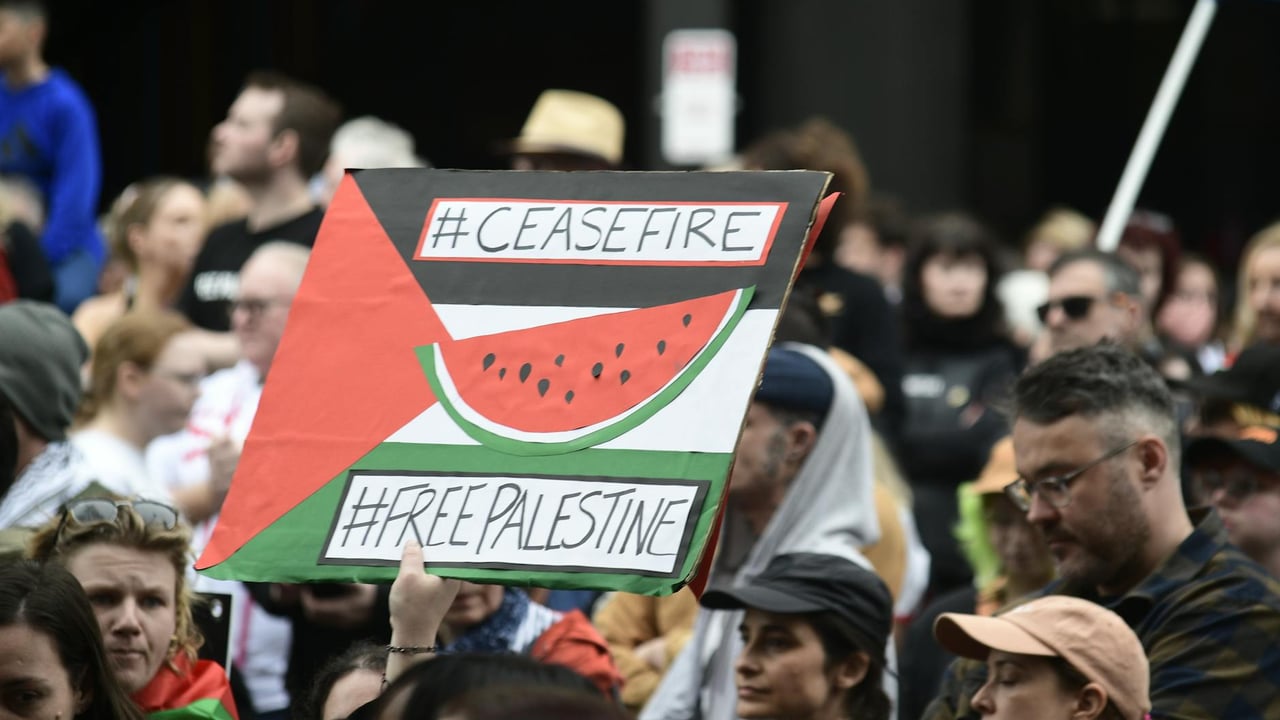
Crowd gathers in Adelaide for a peace rally supporting Palestine.

Key Takeaways

  • 1Netanyahu officially denied being 'surprised' by the U.S.-led two-week ceasefire with Iran, claiming full coordination.
  • 2The deal was reportedly struck by the Trump administration just before a military deadline, focusing on the reopening of the Strait of Hormuz.
  • 3Internal reports suggest Israeli officials were only notified of the finalized deal via a phone call shortly before the public announcement.
  • 4Iran has moved to engage in political negotiations in Pakistan while simultaneously warning of retaliation for Israeli strikes in Lebanon.
  • 5The Strait of Hormuz remains a central flashpoint, with reports indicating it is currently closed to international shipping.

Editor's
Desk

Strategic Analysis

The public discord—and Netanyahu's subsequent rush to neutralize it—reveals the inherent volatility of the 'America First' approach to Middle Eastern security. By operating on a shortened timeline and prioritizing the economic security of the Strait of Hormuz over traditional bilateral consensus, the Trump administration is signaling that its allies must adapt to a faster, more unilateral pace of diplomacy. Netanyahu’s denial is likely a strategic necessity to maintain domestic political strength; admitting he was sidelined would weaken his image as the ultimate guarantor of Israel's security. However, the disconnect between the diplomatic 'pause' in Iran and the escalating kinetic conflict in Lebanon suggests that this ceasefire may be a localized de-escalation rather than a comprehensive peace, leaving the region on a knife-edge as both sides test the limits of the new status quo.

China Daily Brief Editorial
Strategic Insight
China Daily Brief

The typically lockstep alliance between Washington and Jerusalem is facing scrutiny following reports that Israeli Prime Minister Benjamin Netanyahu was blindsided by a sudden diplomatic pivot from the White House. Emerging reports from the Wall Street Journal suggested that President Donald Trump finalized a two-week temporary ceasefire with Tehran without prior consultation with his closest Middle Eastern ally. The leak hinted at significant frustration within the Israeli security cabinet, portraying a leadership caught off guard by a transactional American president.

Responding to the allegations on April 8, Netanyahu issued a firm denial, characterizing the ceasefire as a product of 'full coordination' between the two nations. The Prime Minister’s public stance aims to project an image of unity and influence, dismissing the narrative that he was marginalized in the final hour of negotiations. Netanyahu emphasized that the pause in hostilities followed a period of intensive joint operations against Iranian targets, asserting that Israel remains ready to resume military action should the diplomatic opening fail.

The ceasefire itself is a high-stakes gamble centered on the Strait of Hormuz, a critical artery for global energy markets. President Trump’s proposal, delivered via social media just ninety minutes before a self-imposed military deadline, demands that Iran provide 'full, immediate, and secure' access to the waterway in exchange for a two-week cessation of American bombing. Tehran has responded by moving the dialogue to neutral ground in Islamabad, though the regional reality remains far more volatile than the diplomatic rhetoric suggests.

Even as the ceasefire takes effect, the risk of a broader regional conflagration persists. Israel’s recent large-scale airstrikes in Lebanon have drawn sharp rebukes from the Iranian Revolutionary Guard Corps, which has threatened severe retaliation if the 'aggression' does not cease. With the Strait of Hormuz currently reported as closed to commercial traffic and tankers being forced to turn back, the economic and strategic pressures on both Washington and Tehran are reaching a breaking point.

Share Article

Related Articles

📰
No related articles found