
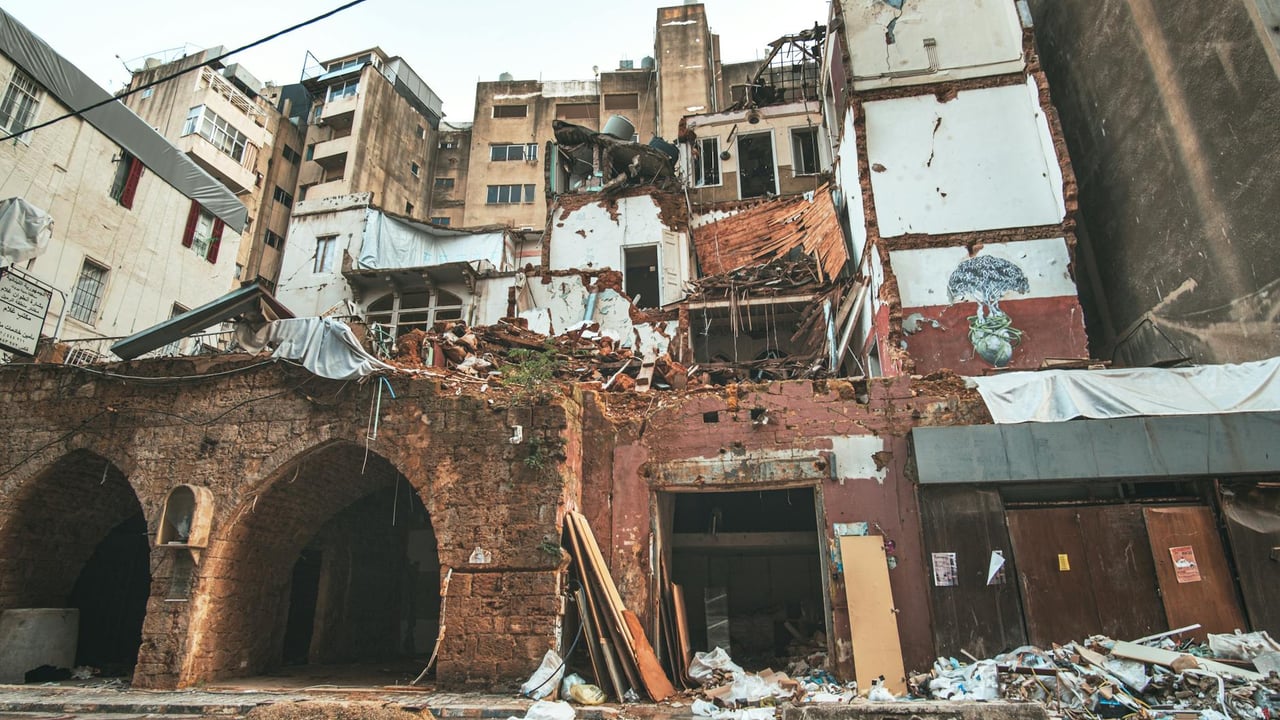

The fragile stability of the Levant has been shattered as an unprecedented wave of Israeli airstrikes targeted the Lebanese capital, Beirut, and surrounding regions. The offensive, which occurred on April 8, marks one of the most violent days in the region’s recent history, turning neighborhoods into smoke-filled combat zones. Local emergency services have been overwhelmed as fires raged across the city's skyline, signaling a departure from previous tactical engagements toward a broader, more destructive conflict.
Casualty figures reported by the Lebanese Ministry of Public Health and civil defense teams highlight the devastating scale of the operation. In a single day of strikes, at least 254 people were killed and over 1,165 others injured. These numbers suggest a level of intensity that exceeds the localized border skirmishes of the past, indicating that the conflict has transitioned into a full-scale military campaign with significant civilian and urban infrastructure impact.
The strategic shift to target Beirut directly suggests a calculated attempt to dismantle command structures or exert maximum pressure on Lebanese political and military actors. For a city already reeling from years of economic collapse and political paralysis, the destruction of critical infrastructure and the mounting death toll pose an existential threat to Lebanon's statehood. The humanitarian corridors are already buckling under the weight of the displaced and the wounded.
International observers are viewing this escalation as a critical turning point that could draw in regional power brokers. As rescue workers continue to pull survivors from the rubble of residential blocks, the window for diplomatic intervention appears to be closing. The global community now faces the prospect of a prolonged regional war that could reshape the geopolitical map of the Middle East for a generation.