A Bloody Pivot: Israeli Air Campaign Inflicts Heavy Toll on Lebanon

Israel launched a series of massive airstrikes across Lebanon on April 8, resulting in at least 254 deaths and over 1,100 injuries. This significant escalation marks a shift toward a broader conflict, overwhelming Lebanon's fragile infrastructure and raising fears of a wider regional war.

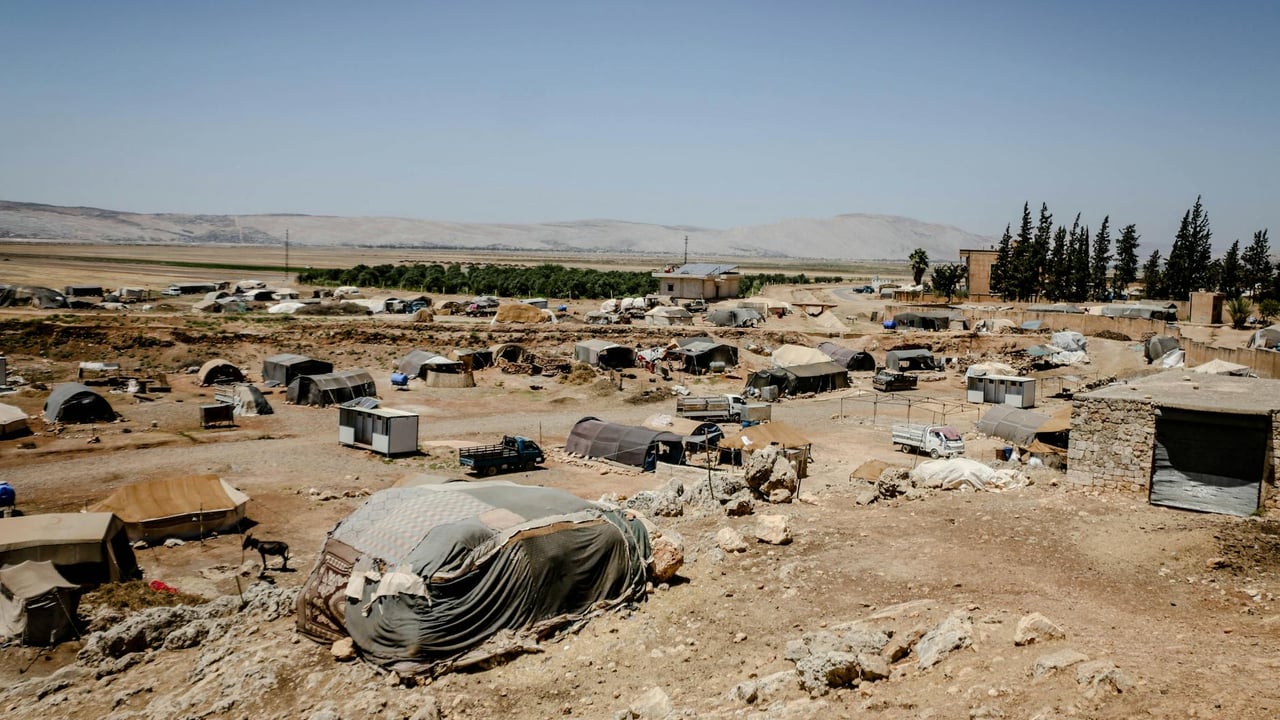
Aerial view of a refugee camp in Idlib, Syria with tents and arid terrain under a clear sky.

Key Takeaways

  • 1At least 254 people were killed and 1,165 injured in a single day of Israeli airstrikes.
  • 2The strikes targeted locations across the entirety of Lebanon, representing a significant geographic expansion.
  • 3Lebanon's medical and civil defense sectors are struggling to cope with the surge in casualties.
  • 4The scale of the operation suggests a move toward full-scale warfare rather than localized border skirmishes.
  • 5International diplomatic efforts face increasing pressure as the humanitarian situation deteriorates.

Editor's
Desk

Strategic Analysis

The sheer lethality of the April 8 strikes indicates that the conflict has surpassed the 'controlled escalation' phase that defined previous months of tension. By striking multiple locations simultaneously, Israel is likely attempting to achieve a decisive military advantage before international pressure for a ceasefire becomes untenable. However, the high civilian toll risks alienating global partners and could serve as a catalyst for other regional actors to join the fray. This 'shock and awe' approach may successfully degrade military capabilities in the short term, but it almost certainly guarantees a deeper, more protracted humanitarian and political crisis for the Levant.

China Daily Brief Editorial
Strategic Insight
China Daily Brief

The Levant has entered a perilous new phase of escalation following a series of massive Israeli airstrikes across Lebanon on April 8. Lebanese civil defense authorities report that the bombardment claimed at least 254 lives and left over 1,100 others wounded in a single day of violence. This staggering toll marks one of the deadliest 24-hour periods in the region's recent history, signaling a shift from surgical operations to a full-scale air campaign.

The intensity of the strikes suggests a strategic determination by the Israeli military to dismantle infrastructure and command centers far beyond the immediate border zones. By hitting targets across the country, the Israeli Defense Forces (IDF) have signaled that no region is off-limits in their pursuit of neutralizing perceived threats. This expansion of the conflict theater complicates international diplomatic efforts, which were already struggling to contain localized skirmishes.

For Lebanon, a country already reeling from years of economic collapse and political paralysis, the humanitarian consequences of such a large-scale assault are catastrophic. Hospitals, already under-resourced, are being overwhelmed by a sudden influx of casualties, many of whom are civilians caught in the crossfire. The displacement of thousands from strike zones is creating a burgeoning refugee crisis that the central government is ill-equipped to manage.

As the dust settles from this latest barrage, the international community faces the grim prospect of a multi-front regional war. The sheer scale of the casualties may force regional actors and global powers to recalibrate their engagement, moving from cautious mediation to urgent intervention. The window for a negotiated ceasefire appears to be closing as both sides dig in for a prolonged and high-stakes confrontation.

Share Article

Related Articles

📰
No related articles found