
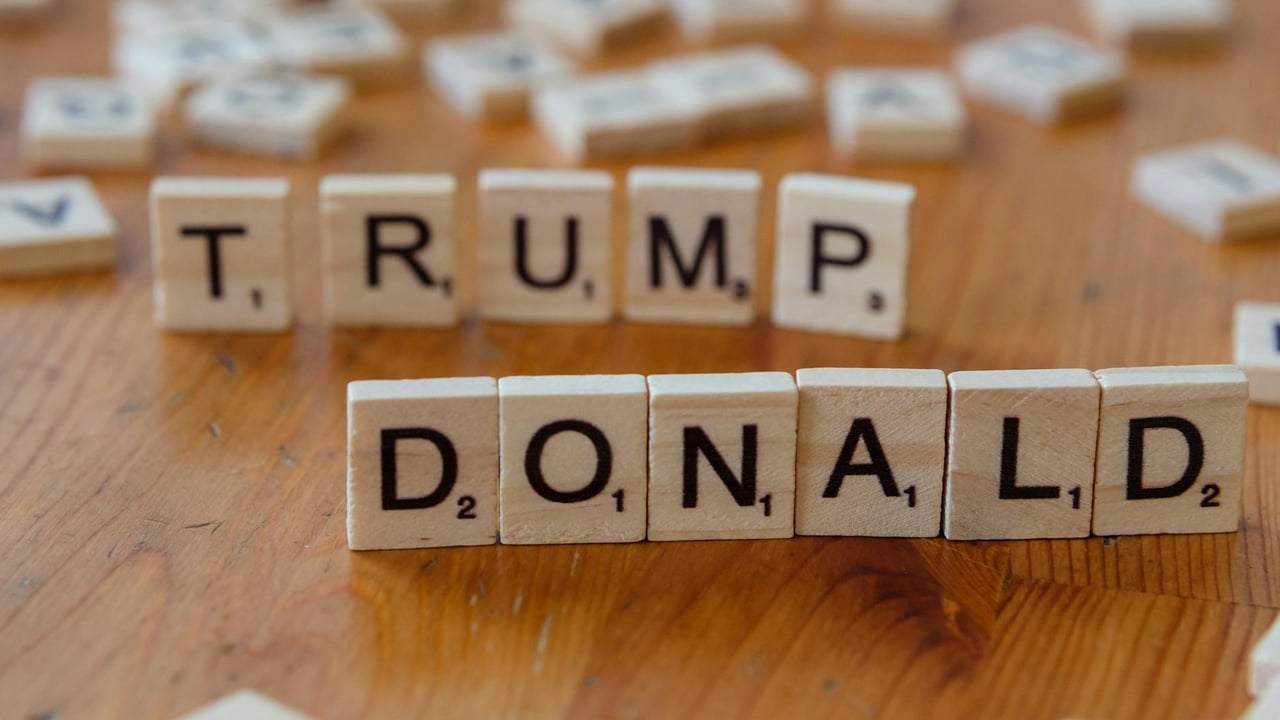

For institutional analysts in China, the current market cycle has become a test of psychological endurance. The erratic nature of global headlines, often anchored to the social media pronouncements of Donald Trump, has created a sense of 'professional schizophrenia' among those tasked with forecasting asset prices. One chief analyst recently lamented that a decade of experience could not prepare them for a month where geopolitical logic is overturned every twenty-four hours.
This volatility is not merely a matter of political noise; it represents a fundamental assault on the 'stable expectations' that financial modeling requires. The market had previously priced in a Goldilocks scenario: falling oil prices, clear paths to interest rate cuts, and a global soft landing. These three pillars of stability allowed for aggressive valuations based on future narratives rather than immediate balance sheets.
However, the recurring 'Trump shock'—ranging from threats of total conflict to sudden ceasefire negotiations—has exposed the fragility of these assumptions. When oil prices remain elevated due to geopolitical friction, the entire cost chain from logistics to chemical manufacturing is squeezed. This environment disproportionately punishes 'narrative-driven' companies, such as those in the GPU and humanoid robotics sectors, which rely on low interest rates and high risk appetite to sustain their valuations.
In response, a tactical shift is occurring within Chinese capital markets. Investors are increasingly abandoning companies that promise a 'better future' in favor of those that deliver a 'profitable present.' The focus has moved toward 'cash cow' assets—companies with high dividends and stable cash flows that remain indifferent to the news cycle. A prime example is Yangtze Power, which generates steady returns regardless of who occupies the White House.
For those seeking growth, the criteria have become significantly more stringent. The market is now looking for 'hard logic' sectors where growth is backed by verifiable orders and technological milestones. This includes AI infrastructure, solid-state batteries, and commercial aerospace. In these fields, the ability to demonstrate a clear path to mass production and revenue generation is now the only effective hedge against political volatility.
Ultimately, the 'Trump Effect' is forcing a maturation of the Chinese investment landscape. It is shifting the focus from liquidity-driven speculation to resilience-driven valuation. While the rhetoric of a single politician can temporarily derail market sentiment, it cannot permanently alter the underlying quality of an asset. The investors who survive this era will be those who prioritize earnings durability over the shifting winds of geopolitical headlines.