

China’s new energy vehicle (NEV) sector demonstrated formidable momentum in March, with the latest data from the China Passenger Car Association (CPCA) revealing a market that is both expanding and consolidating. A record 19 manufacturers surpassed the critical benchmark of 10,000 monthly wholesale units, accounting for a staggering 91.9% of the national NEV total. This surge underscores a maturing ecosystem where domestic champions are increasingly dictating the pace of the global energy transition.
BYD continues to operate in a league of its own, leveraging a 'dual-drive' strategy of pure electric and plug-in hybrid (PHEV) models to solidify its dominance. With wholesale figures nearing 300,000 units for the month, the Shenzhen-based giant effectively outpaced its nearest domestic rival, Geely, by more than two-to-one. This performance highlights the efficacy of vertical integration and a diversified product lineup that caters to both the budget-conscious and the premium segments of the world's largest auto market.
A significant trend emerging from the March data is the resilience of the 'multi-path' strategy adopted by legacy manufacturers. Firms like Geely, Changan, and Chery are seeing substantial returns on their investments in extended-range and plug-in hybrid technologies. These 'narrow' hybrids are providing a crucial bridge for consumers not yet ready to commit to full electrification, effectively widening the market base and insulating manufacturers against shifts in pure EV demand.
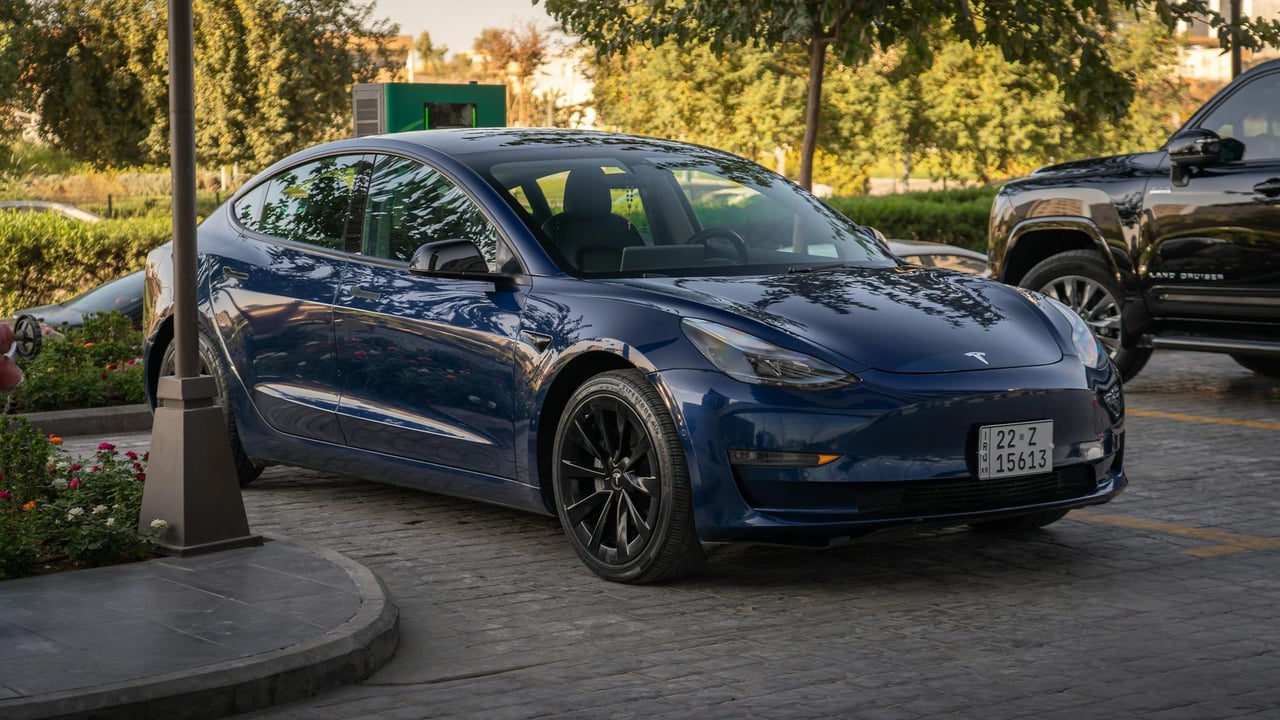
The competitive landscape is also being reshaped by the successful entry of consumer electronics titan Xiaomi, which reported over 21,000 units in its first major sales month. Xiaomi’s ability to immediately enter the top tier of manufacturers suggests that brand ecosystem and software integration are becoming as pivotal as traditional automotive engineering. Meanwhile, Tesla China maintains a strong presence with over 85,000 units, though it faces intensifying pressure from a pack of domestic players that are rapidly closing the technological and branding gap.
This consolidation of volume among the top 19 players signals a hardening of the market structure. For smaller startups and traditional laggards, the 10,000-unit monthly threshold is increasingly becoming the minimum requirement for long-term viability. As China’s domestic market reaches these high-volume milestones, the surplus capacity and competitive expertise gained at home are likely to spill over into global markets, further intensifying trade tensions and competitive pressures abroad.