
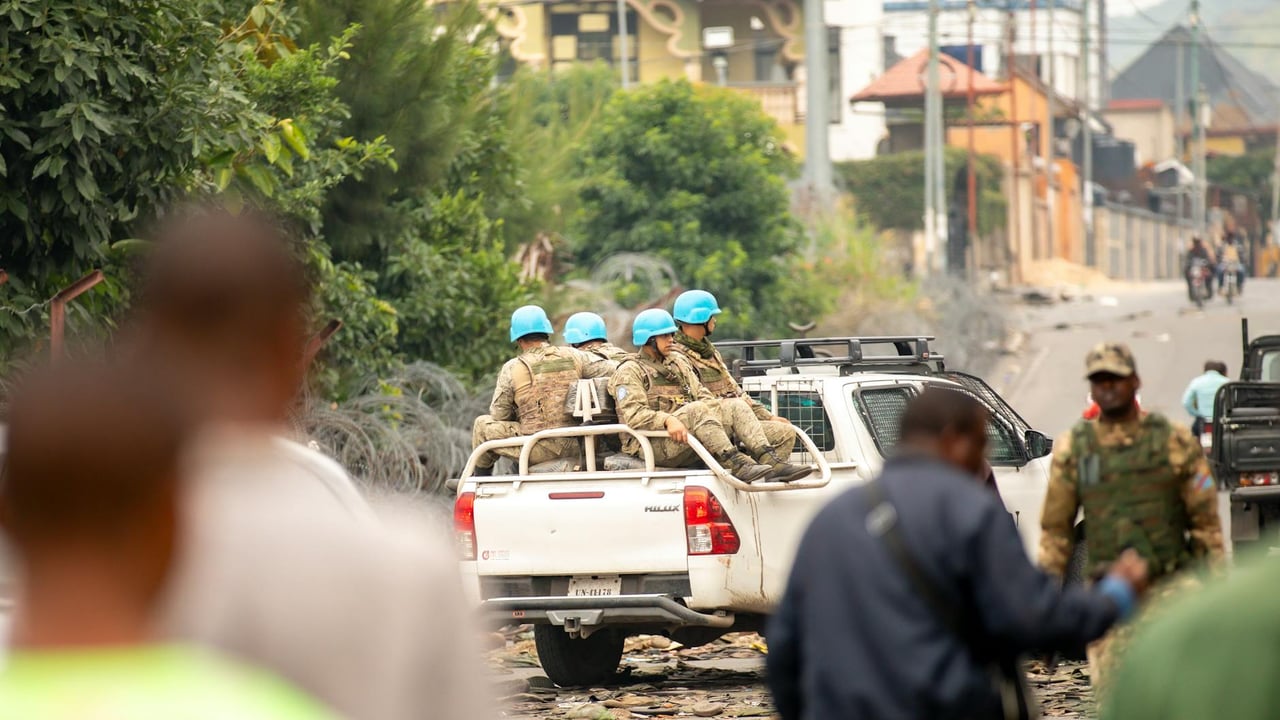

A diverse coalition of seven nations, spanning four continents, has issued a searing condemnation of the escalating violence in Lebanon, specifically targeting the lethal attacks on United Nations peacekeepers. The joint statement, signed by Australia, Brazil, Colombia, Indonesia, Jordan, Sierra Leone, and the United Kingdom, marks a significant diplomatic convergence between traditional Western powers and influential 'Middle Powers' from the Global South.
At the heart of the grievance is the deteriorating safety of personnel within the United Nations Interim Force in Lebanon (UNIFIL), which has seen its mission compromised by persistent hostilities. The recent deaths of Indonesian peacekeepers served as a catalyst for this rare unified front, prompting the signatories to deploy their 'strongest terms' in denouncing the strikes. The group emphasized that the protection of civilians and the neutrality of humanitarian infrastructure are not optional but are core mandates under international law.
Beyond the immediate casualties, the coalition voiced deep alarm over the collapsing humanitarian landscape in Southern Lebanon. As aid corridors become increasingly perilous, the risk to vulnerable populations has reached a critical threshold, threatening a total breakdown of essential services. The statement serves as a formal warning that the targeting of neutral actors and the obstruction of relief efforts must carry legal consequences, signaling a move toward seeking international justice for these violations.
This diplomatic maneuver reflects a growing global impatience with the normalization of risk for UN personnel in modern conflict zones. By bringing together nations as varied as Jordan and Australia, the statement exerts a unique form of pressure that transcends the usual geopolitical blocs. It underscores a burgeoning consensus that the rules-based order, particularly regarding humanitarian protections, is facing an existential test in the Levant.