The Diplomatic Fireman: Beijing’s Strategic Persistence in Global Mediation

China’s Ministry of Foreign Affairs has reiterated its commitment to mediating global conflicts and easing international tensions. This strategic posturing is part of a broader effort to present China as a neutral arbiter and a leader of the Global South against Western-led security frameworks.

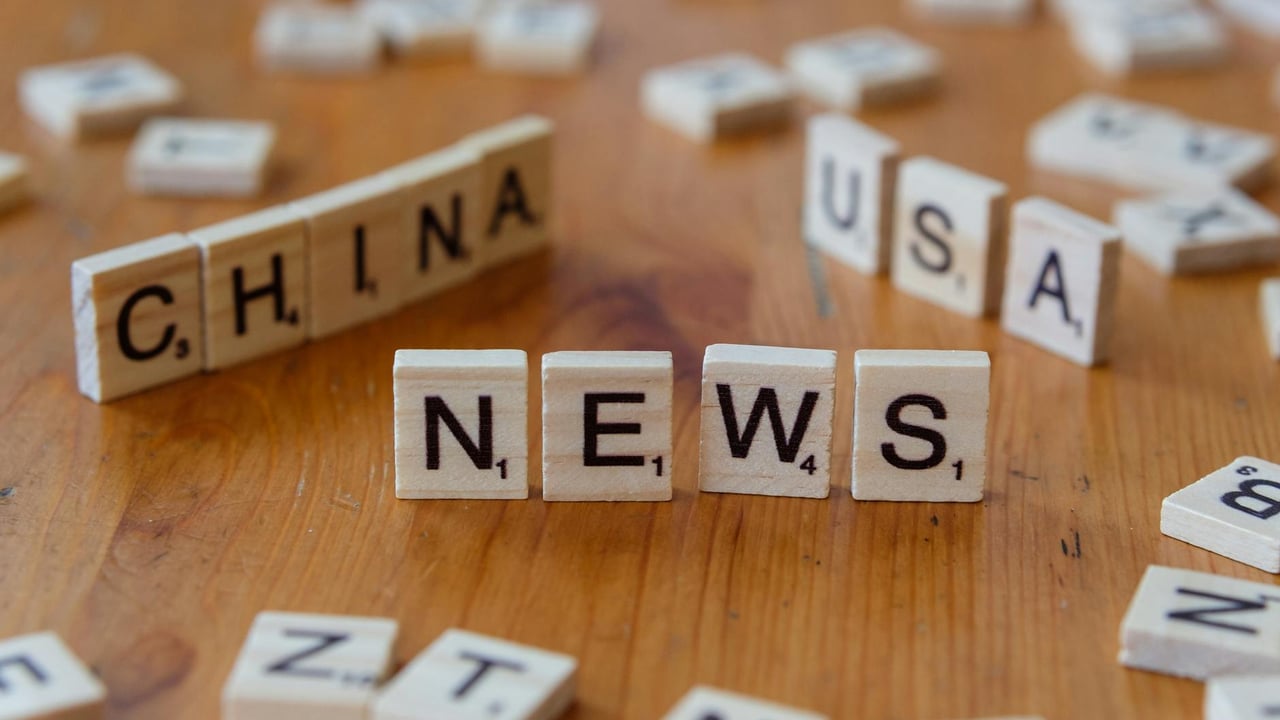
Wooden Scrabble tiles spelling 'NEWS' with 'CHINA' and 'USA' on a wooden surface.

Key Takeaways

  • 1The Chinese MFA reaffirmed its commitment to 'shuttle diplomacy' and conflict de-escalation on April 9, 2026.
  • 2The rhetoric aligns with China's Global Security Initiative (GSI), focusing on dialogue over military intervention.
  • 3Beijing is strategically positioning itself as a primary alternative to the United States in the realm of global security mediation.
  • 4The diplomatic push targets the Global South, aiming to capitalize on fatigue regarding Western-led sanctions and military support.

Editor's
Desk

Strategic Analysis

Beijing's persistent use of 'peace' rhetoric is less about immediate resolution and more about long-term institutional branding. By consistently adopting the language of de-escalation, China is building a diplomatic portfolio intended to contrast with Washington’s military-heavy approach. This 'fireman' persona serves to rhetorically isolate the United States as a perceived 'arsonist' in global conflicts. Even if China’s mediation yields few tangible results, the process itself provides Beijing with the diplomatic cover to maintain economic ties with pariah states while appearing to champion the cause of international stability.

China Daily Brief Editorial
Strategic Insight
China Daily Brief

In what has become a recurring motif of its modern foreign policy, the Chinese Ministry of Foreign Affairs has once again signaled its intent to act as a global mediator. On April 9, 2026, Beijing reaffirmed its commitment to 'calming the fires of war,' a phrase that has increasingly defined its diplomatic output as it seeks to position itself as a responsible alternative to Western security architectures.

This latest push for de-escalation reflects a broader strategic shift within the Xi Jinping administration. Rather than remaining a passive bystander to international conflicts, China is leveraging its economic gravity to frame itself as a 'voice of reason.' By contrasting its calls for dialogue against what it characterizes as the 'bloc confrontation' of the West, Beijing is playing a sophisticated game of optics aimed at the Global South.

The timing of these statements is significant, coming at a juncture where traditional diplomatic channels often appear deadlocked. China’s emphasis on 'shuttle diplomacy' serves two masters: it satisfies a domestic narrative of a rising, benevolent power, and it targets middle powers that are weary of protracted military entanglements. This approach allows Beijing to claim the moral high ground without necessarily committing the resources required for formal security guarantees.

However, the efficacy of this 'peace-broker' identity remains under intense scrutiny. While China has successfully brokered localized agreements in the past, its refusal to condemn specific aggressors often leads to a perception of 'pro-Russian neutrality' or strategic opportunism. For global observers, the question remains whether Beijing is truly interested in resolving conflicts or merely managing them to diminish American influence.

Share Article

Related Articles

📰
No related articles found