
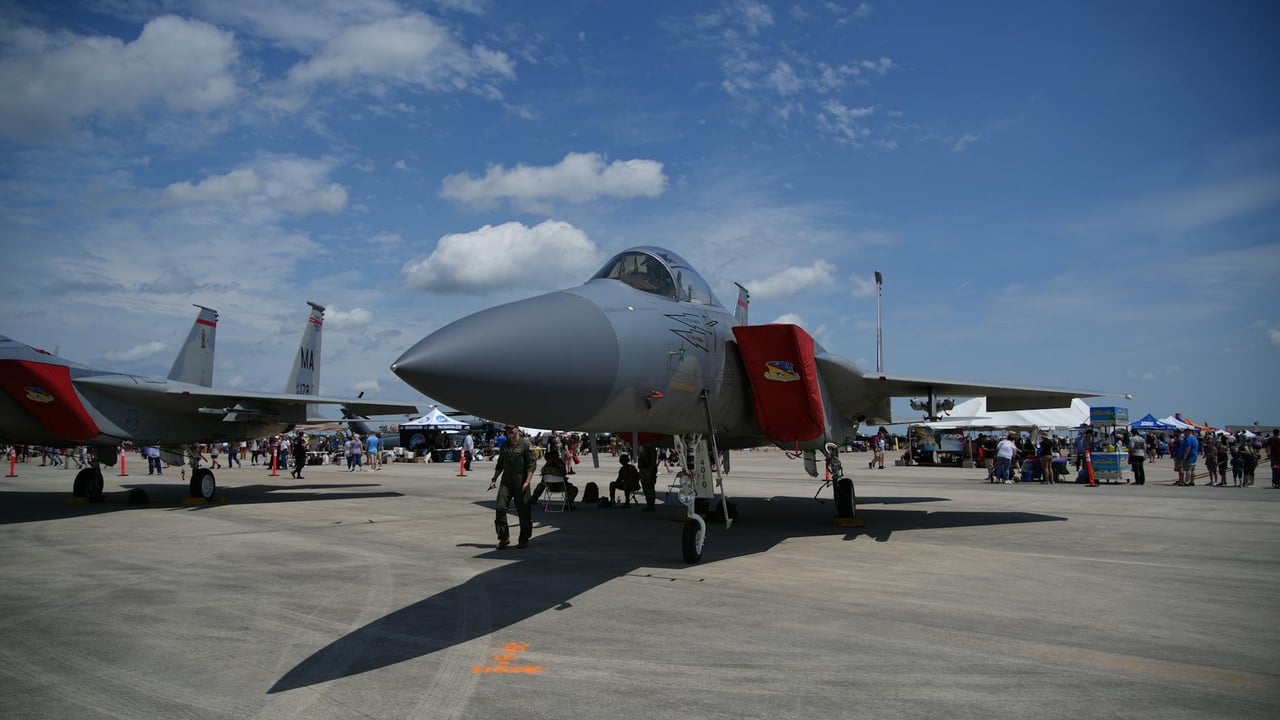

The rescue of a wounded American Colonel from the heart of Iran marks a precarious milestone in the ongoing conflict between Washington and Tehran. While President Donald Trump has hailed the 50-hour mission as the most daring in history, the operation highlights both the technical dominance of U.S. joint forces and the persistent friction of asymmetric warfare. The crisis began when an Iranian shoulder-fired missile downed a U.S. F-15E Strike Eagle near Isfahan, proving that low-tech threats remain a lethal wildcard despite heavy U.S. bombardment.
Following the crash, a massive task force involving 155 aircraft, the CIA, and Israeli military coordination was mobilized to extract the missing crew. The mission was divided into two phases, the second of which focused on a high-ranking weapon systems officer who had evaded capture in the rugged mountains for nearly two days. This officer utilized specialized distress codes and police signals to verify his identity before a specialized unit could be deployed for his extraction.
The extraction itself was a display of modern intelligentized warfare, blending electronic jamming, CIA-led disinformation campaigns, and the deployment of MH-6 Little Bird helicopters. However, the mission nearly mirrored the 1980 Operation Eagle Claw disaster when two MC-130J transport planes became mired in soft sand. To prevent a PR disaster, U.S. forces were forced to incinerate their own aircraft and equipment on Iranian soil before retreating under heavy fire.
While the Pentagon celebrated the safe return of the airmen, the tactical victory came at a significant strategic and human cost. Indiscriminate bombing of Iranian infrastructure to clear extraction routes resulted in numerous civilian casualties and underscored the limitations of U.S. air superiority. Experts suggest that while these high-tech interventions achieve immediate tactical goals, they have yet to degrade the Iranian regime's fundamental ability to wage a long-term, asymmetric war of resistance.