
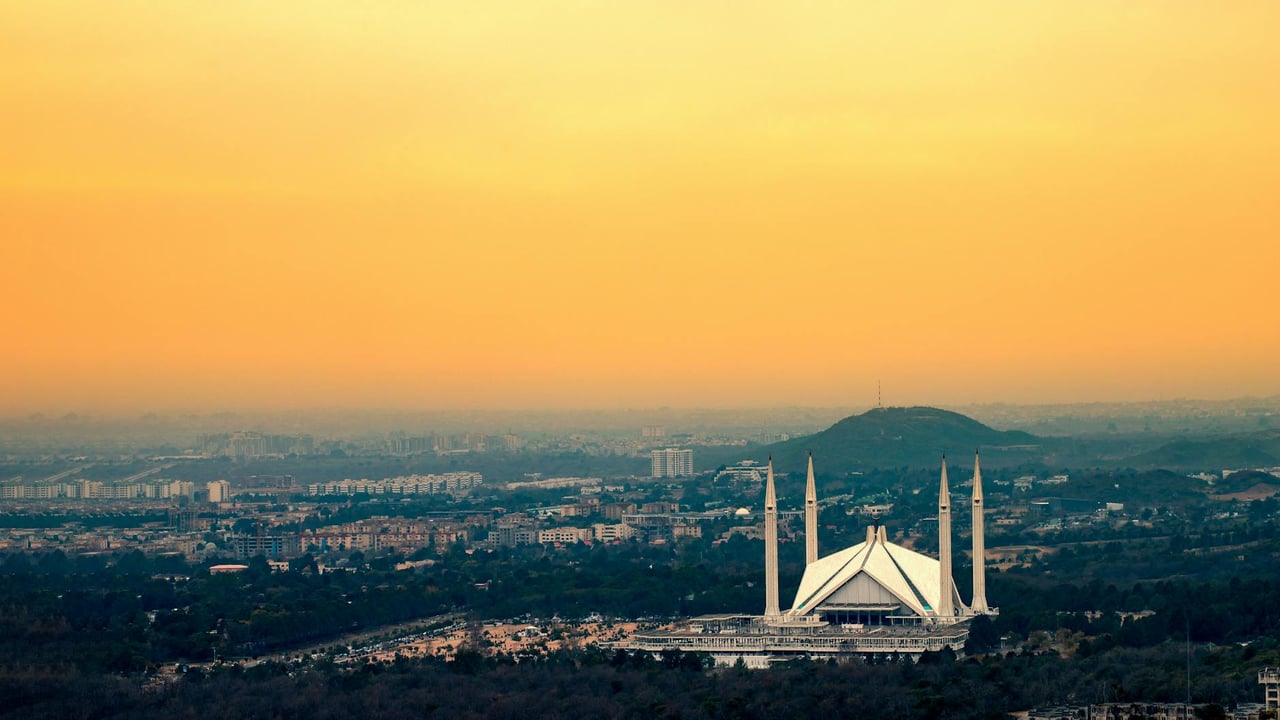

The streets of Islamabad have been transformed into a high-security corridor as the Pakistani government prepares to host one of the most significant diplomatic summits in recent regional history. Elite military units and police forces have established a pervasive presence across the capital, signaling the gravity of the impending negotiations between the United States and Iran. These measures are particularly concentrated around the 'Red Zone,' the administrative heart of the city that houses the country’s most sensitive governmental and diplomatic installations.
Checkpoint operations have intensified significantly, with security personnel conducting rigorous inspections of all vehicles entering key intersections. The deployment of heavily armed guards and armored vehicle convoys highlights the zero-tolerance policy toward security breaches during this sensitive period. For the residents of Islamabad, the visible display of force is a stark reminder of the high stakes involved when the world's most entrenched rivals choose a third-party venue for dialogue.
Pakistan’s decision to host these talks is a calculated move to enhance its standing as a regional stabilizer and an indispensable middleman. By providing a secure and neutral environment for Washington and Tehran, Islamabad hopes to demonstrate its utility to the international community. This diplomatic pivot comes at a time when Pakistan is seeking to recalibrate its foreign policy, moving away from a purely security-centric approach toward one focused on geo-economics and regional connectivity.
However, the logistical challenge of securing such a high-profile event is immense. The government has mobilized multi-tiered security cordons to ensure that the diplomatic process remains insulated from domestic political volatility or extremist threats. As the eyes of the global community turn toward the Pakistani capital, the success of these security measures will be as much a test of the state's internal stability as the negotiations themselves will be a test of international diplomacy.