
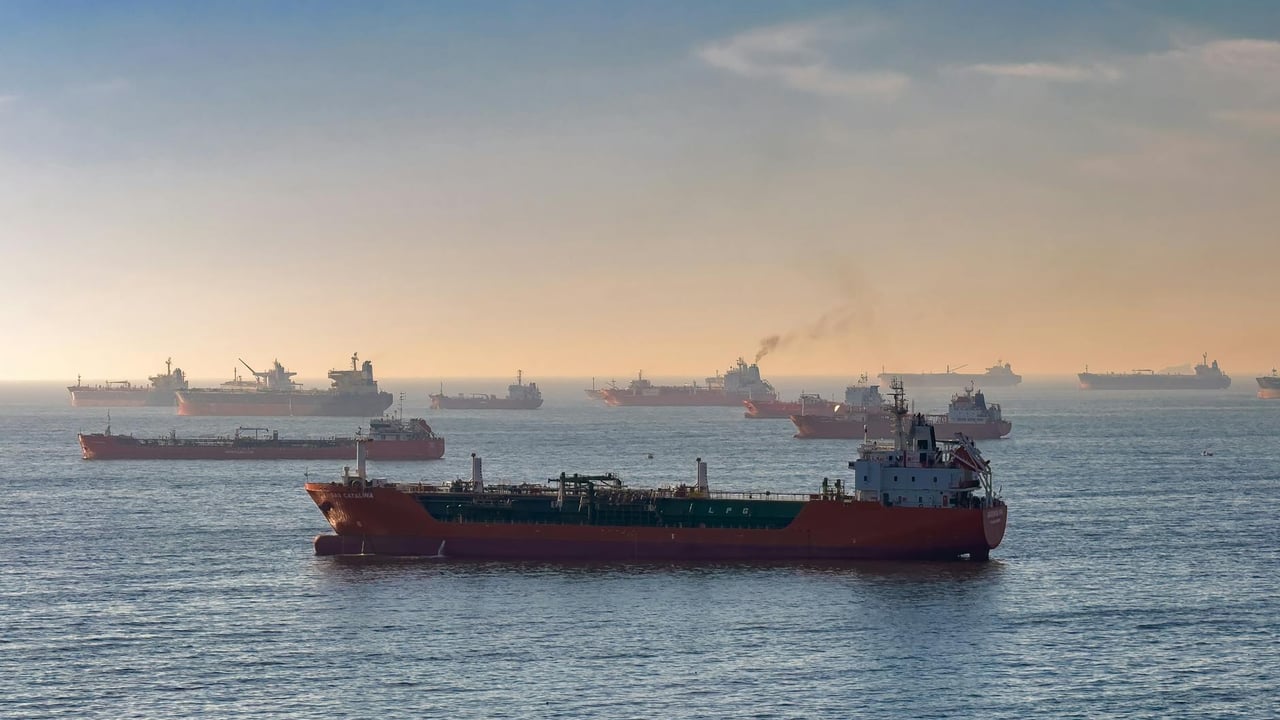

The ephemeral promise of a respite in the Persian Gulf has evaporated as Iran abruptly reinstated its blockade of the Strait of Hormuz. Despite a brief diplomatic window suggesting a two-week ceasefire between Washington and Tehran, the world’s most vital energy artery was slammed shut on April 8, 2026, sending fresh shockwaves through global shipping markets.
This sudden reversal follows claims by Mohammad Bagher Ghalibaf, Speaker of the Iranian Parliament, that the United States and its allies violated three core tenets of a ten-point peace proposal submitted via Pakistan. These grievances—centering on ceasefire conditions in Lebanon, violations of Iranian airspace, and enrichment rights—have effectively weaponized the chokepoint once again, rendering earlier optimism from the Iranian Foreign Ministry moot.
Data from the United Nations Conference on Trade and Development reveals the staggering scale of this maritime paralysis, with daily vessel counts plummeting from a pre-crisis average of 130 to a mere six in March. Even during the brief opening window, the anticipated flood of traffic failed to materialize; only eight ships braved the passage on April 8, signaling a profound collapse in industry confidence.
The hesitation of major carriers like Hapag-Lloyd underscores a growing consensus that a political ceasefire does not equate to operational safety. Without transparent transit rules, clear insurance pricing, and guarantees against harassment, shipowners are opting for the costly detour around the Cape of Good Hope rather than risking their assets in the volatile Musandam Peninsula.
This protracted closure is no longer just a regional security issue but a systemic shock to the global economy. UNCTAD has already slashed its 2026 global trade growth forecast from 4.7% to as low as 1.5%, warning that the structural shifts in energy logistics and the looming stockpiling frenzy upon any eventual reopening will keep inflationary pressures high for the foreseeable future.