The Odd Man Out: Why Israel is Escalating in Lebanon as the US and Iran Reach a Truce

Israel’s recent heavy bombardment of Lebanon, occurring immediately after a US-Iran ceasefire agreement, underscores a significant rift in Middle Eastern security priorities. The strikes reflect Jerusalem's intent to maintain military autonomy and divert domestic political tensions despite a broader regional shift toward de-escalation.

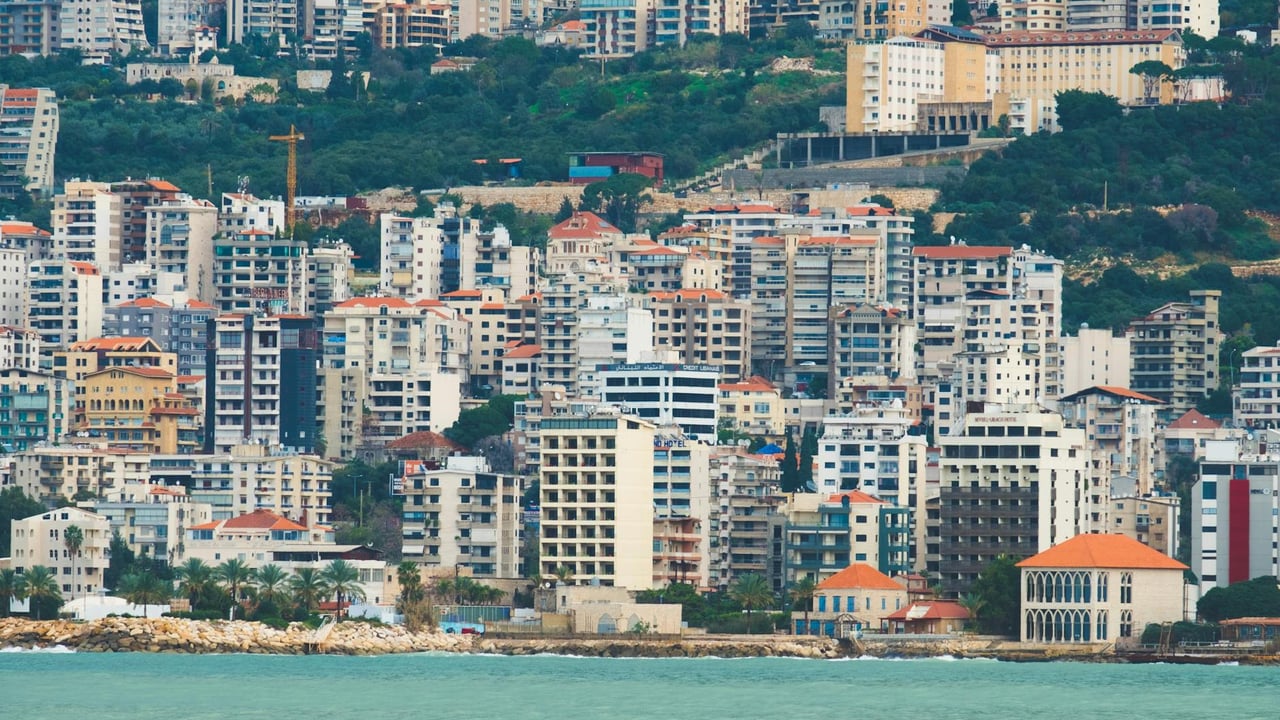
Panoramic view of dense residential buildings along Jounieh's waterfront in Lebanon, highlighting urban architecture.

Key Takeaways

  • 1Israel launched major airstrikes in Lebanon shortly after the US and Iran reached a ceasefire agreement.
  • 2The move signals a clear rejection of the current diplomatic trend toward regional de-escalation.
  • 3Experts believe the strikes are intended to demonstrate that Israel's security red lines remain unchanged by international deals.
  • 4The escalation serves a domestic purpose by shifting focus away from internal political strife toward an external enemy.
  • 5This divergence in strategy risks a diplomatic rift between Israel and the United States.

Editor's
Desk

Strategic Analysis

The current geopolitical landscape is witnessing a dangerous friction between the 'Great Power' diplomacy of the US and the 'Survivalist' security doctrine of Israel. By striking Lebanon at this precise moment, Israel is testing the limits of its 'special relationship' with Washington. This is more than a tactical strike against Hezbollah; it is a strategic message that regional stability cannot be brokered over Israel's head. If the US-Iran truce holds, Israel faces the prospect of being the sole regional actor still engaged in a hot war, a position that could lead to unprecedented diplomatic isolation or force its allies to reconsider the terms of their support. The situation suggests that while the US is looking for an exit from Middle Eastern volatility, Israel is doubling down on the necessity of conflict to ensure its long-term deterrence.

China Daily Brief Editorial
Strategic Insight
China Daily Brief

Just as the ink began to dry on a landmark ceasefire agreement between Washington and Tehran, the skies over Lebanon were filled with the thunder of Israeli jets. On April 9, 2026, Israel launched a massive wave of airstrikes against targets in Lebanon, signaling a sharp and violent departure from the diplomatic de-escalation currently favored by its closest ally.

This military surge highlights a growing divergence in strategic objectives within the Middle East. While the United States seeks to stabilize the region through a tenuous détente with Iran, the Israeli government appears to view any reduction in pressure on Tehran’s regional proxies—specifically Hezbollah—as an unacceptable existential risk. To Jerusalem, a US-Iran truce is not a peace deal but a window of opportunity for its enemies to regroup.

Chinese regional analysts and international observers suggest these strikes serve a dual purpose of messaging and survival. Primarily, they act as a blunt demonstration of Israeli sovereignty and resolve. By striking Lebanon now, the Israeli leadership is informing both its allies and its enemies that it will not be bound by diplomatic frameworks it did not sign, nor will it allow regional cooling to soften its security posture.

Furthermore, the escalation may be a calculated move to manage internal pressures. By focusing on a clear and immediate external threat in Lebanon, the current administration can potentially unify a fractured domestic political landscape. Moving the public narrative toward a state of active defense allows the government to sidestep criticisms regarding the perceived diplomatic isolation resulting from the US-Iran rapprochement.

The long-term risk of this strategy remains a direct, uncontained confrontation that could unravel the fragile peace broader powers are attempting to build. If Israel continues to operate independently of the regional trend toward stabilization, it risks a collision course with Washington’s regional architecture. For now, Jerusalem appears willing to trade diplomatic friction for what it perceives as essential military deterrence.

Share Article

Related Articles

📰
No related articles found