

The smoke rising over the southern Lebanese town of Zrarieh serves as a stark testament to the widening chasm between tactical military objectives and the escalating human cost in the Levant. On April 9, the Lebanese Ministry of Health reported a devastating surge in casualties, with at least 303 people killed and 1,150 wounded following a series of massive Israeli airstrikes across the country. The scale of the destruction suggests a significant expansion of the theater of operations beyond the traditional border skirmishes that have defined the region's recent instability.
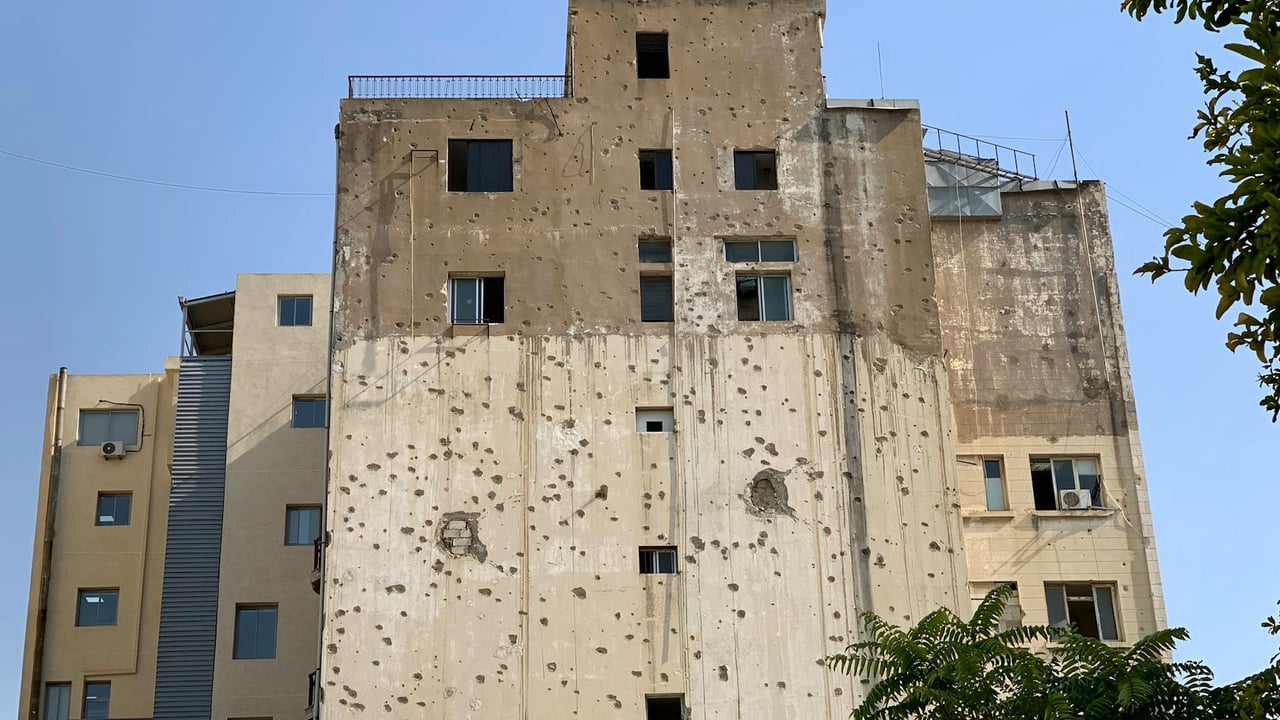
In the village of Zrarieh, the visual evidence of the strikes reveals the systematic leveling of residential structures. These images, disseminated by regional observers and international news agencies, depict a landscape of pulverized concrete and twisted rebar, reflecting the intensity of the ordnance deployed by the Israel Defense Forces (IDF). For the civilian population in southern Lebanon, the bombardment represents the deadliest single-day escalation in recent memory, paralyzing local infrastructure and overwhelming already strained medical facilities.
This intensification comes amid a broader strategic shift in the conflict between Israel and Hezbollah. What began as a series of targeted assassinations and precision strikes appears to have transitioned into a wider aerial campaign designed to degrade the militant group’s logistics and presence in the south. However, the high civilian toll risks hardening local resistance and complicating the diplomatic efforts of international mediators who are desperately attempting to prevent a full-scale regional war.
The global community remains on edge as the conflict's geography continues to expand. The strikes on Zrarieh and other southern municipalities signal that the 'rules of engagement' that once governed this decades-old rivalry have been effectively discarded. As both sides prepare for further escalation, the humanitarian corridor remains perilously narrow, and the possibility of a ground incursion looms larger than it has in years.