The Special Relationship Under Strain: Starmer Defends Autonomy Amid Trump’s Iran Offensive

Prime Minister Keir Starmer has defended his decision to distance the UK from US-led military actions against Iran, prioritizing national interest over Trump's demands. The resulting friction has led to renewed threats from the US regarding its commitment to NATO and the future of the Special Relationship.

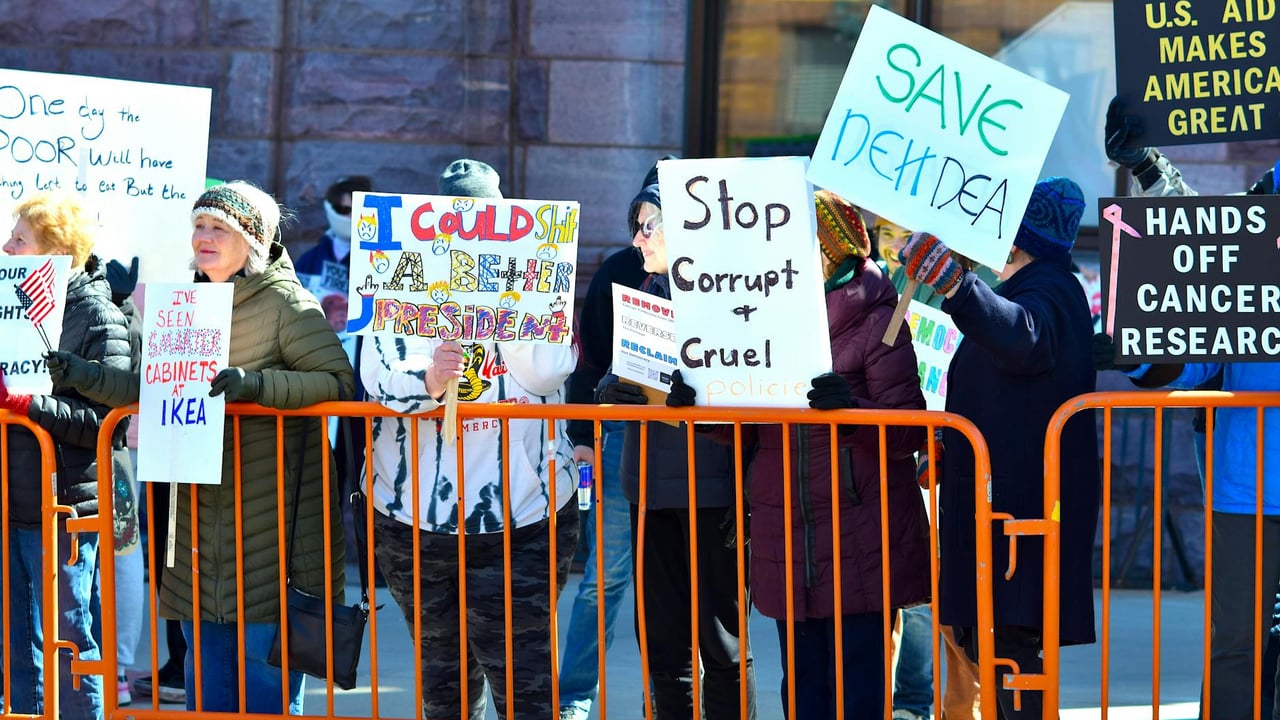
A group of people holding signs in a street protest, expressing dissent against political policies.

Key Takeaways

  • 1Prime Minister Starmer refused to allow US warplanes to use British overseas bases for strikes against Iran in February.
  • 2President Trump has publicly criticized Starmer, labeling the lack of support as a failure of the NATO alliance.
  • 3Starmer emphasizes that British military involvement requires 'legal basis' and 'viable plans,' signaling a departure from unconditional support for US interventions.
  • 4Trump has suggested he may reconsider US involvement in NATO if allies do not assist in the Middle East conflict.
  • 5Starmer’s current Middle East tour seeks to solidify regional ties independently of the friction with Washington.

Editor's
Desk

Strategic Analysis

This tension represents the collision of two incompatible governing styles: Trump’s transactional 'America First' populism and Starmer’s rule-based, legalistic internationalism. By refusing base access, Starmer is attempting to re-establish British strategic autonomy, moving away from the 'poodle' narrative that haunted the Blair-Bush era. However, the stakes are significantly higher now, as Trump increasingly links Middle Eastern cooperation to the very survival of the NATO security umbrella in Europe. If the U.K. continues to prioritize international law over the tactical whims of the White House, we may see a fundamental and perhaps permanent reconfiguration of Anglo-American defense cooperation, forcing London to lean more heavily on its European and Middle Eastern partners for security and influence.

China Daily Brief Editorial
Strategic Insight
China Daily Brief

As smoke lingers from the recent cessation of hostilities between the United States and Iran, British Prime Minister Keir Starmer’s arrival in Saudi Arabia marks more than just a diplomatic tour. It serves as a defiant backdrop to a growing rift between 10 Downing Street and a returning Trump administration that demands absolute fealty from its oldest ally.

During his visit to the Middle East, Starmer was forced to confront rumors that the "Special Relationship" has fractured beyond repair. The tension stems primarily from London’s refusal to grant the U.S. military access to sovereign British overseas bases during the intense air campaign against Tehran earlier this year.

Starmer’s response to these concerns has been a masterclass in strategic sobriety, eschewing personal jabs at President Trump in favor of a rigid defense of British sovereignty. He argued that the United Kingdom would only commit to military action backed by clear legal foundations and viable, well-thought-out plans, a pointed critique of the current American administration’s more impulsive approach to regional warfare.

For Donald Trump, this refusal is viewed as a betrayal of the NATO alliance, prompting him to once again question the value of American commitments to European security. By framing the Iran conflict as a litmus test for NATO loyalty, Trump has placed Starmer in the difficult position of choosing between transatlantic harmony and domestic legal consistency.

Ultimately, Starmer’s "National Interest First" mantra signals a shift toward a more cautious, autonomous British foreign policy. While the U.K. remains a core Western power, it is no longer willing to serve as an automatic junior partner in high-stakes regional conflicts without a clear exit strategy or an indisputable international mandate.

Share Article

Related Articles

📰
No related articles found