
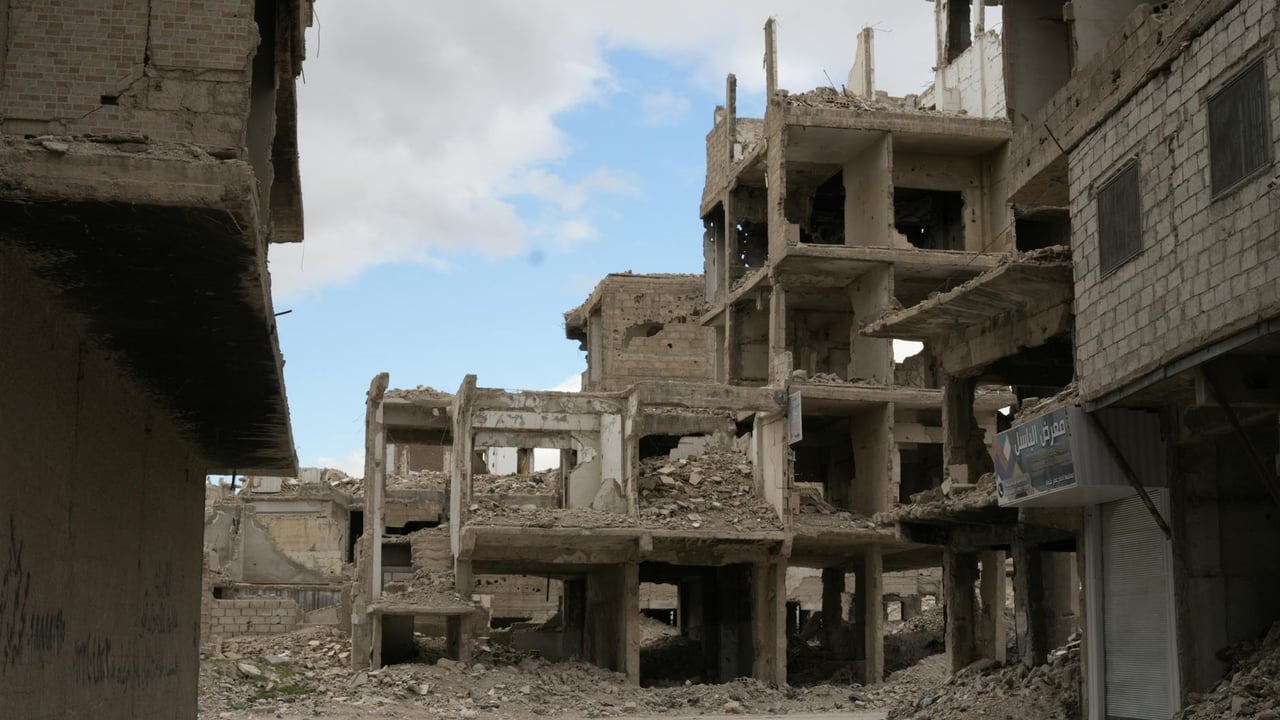

On April 8, 2026, a 40-day storm of fire across the Middle East reached a precarious standstill. The United States and Iran, following a period of unprecedented direct kinetic engagement, announced a two-week cessation of hostilities. While crowds celebrated in the streets of Tehran, the geopolitical reality remains far more somber. Israel’s conditional support excludes operations in Lebanon, and the smoke from simultaneous last-minute strikes in Jerusalem and Tehran had barely cleared before the ink on the agreement was dry.
This conflict marks a terrifying evolution in modern warfare, shifting from traditional 'decapitation' strikes to a comprehensive campaign of economic attrition. In the opening salvos, US and Israeli forces targeted two-thirds of Iran's military manufacturing capacity and high-level leadership. However, Tehran's response was not a conventional retreat but a calculated expansion of the theater, targeting the 'nerve centers' of global energy and regional stability across the Gulf Cooperation Council (GCC) states.
Energy hubs like Qatar's Ras Laffan and the UAE’s Abu Dhabi smelters faced significant disruptions, with recovery timelines now estimated in years rather than months. This 'logic of exhaustion' has rewritten the regional security playbook. By hitting infrastructure rather than just military assets, Iran proved its systemic stability could outlast the immediate tactical superiority of its adversaries, effectively forcing the West to the negotiating table out of economic necessity.
For the Gulf monarchies, the conflict has been a wake-up call of existential proportions. Despite not being direct combatants, countries like the UAE and Saudi Arabia saw nearly $100 billion in market value evaporate as the Strait of Hormuz—the world’s 'oil valve'—was effectively throttled. The crisis has exposed a deepening rift in the US-Gulf relationship, as these nations question whether Washington can still guarantee the 'stability' that has been their most precious asset for decades.
The global consequences have surpassed the energy shocks of 1973 and 1979 combined. With Hormuz traffic plummeting by 90% at the height of the blockade, the shockwaves reached as far as South Korean supermarkets and Malaysian agricultural sectors. While the current 'pause' allows for vital humanitarian and diplomatic maneuvering, the fundamental grievances regarding Iran’s nuclear program and regional hegemony remain entirely unresolved, casting a long shadow over the prospect of a permanent peace.