
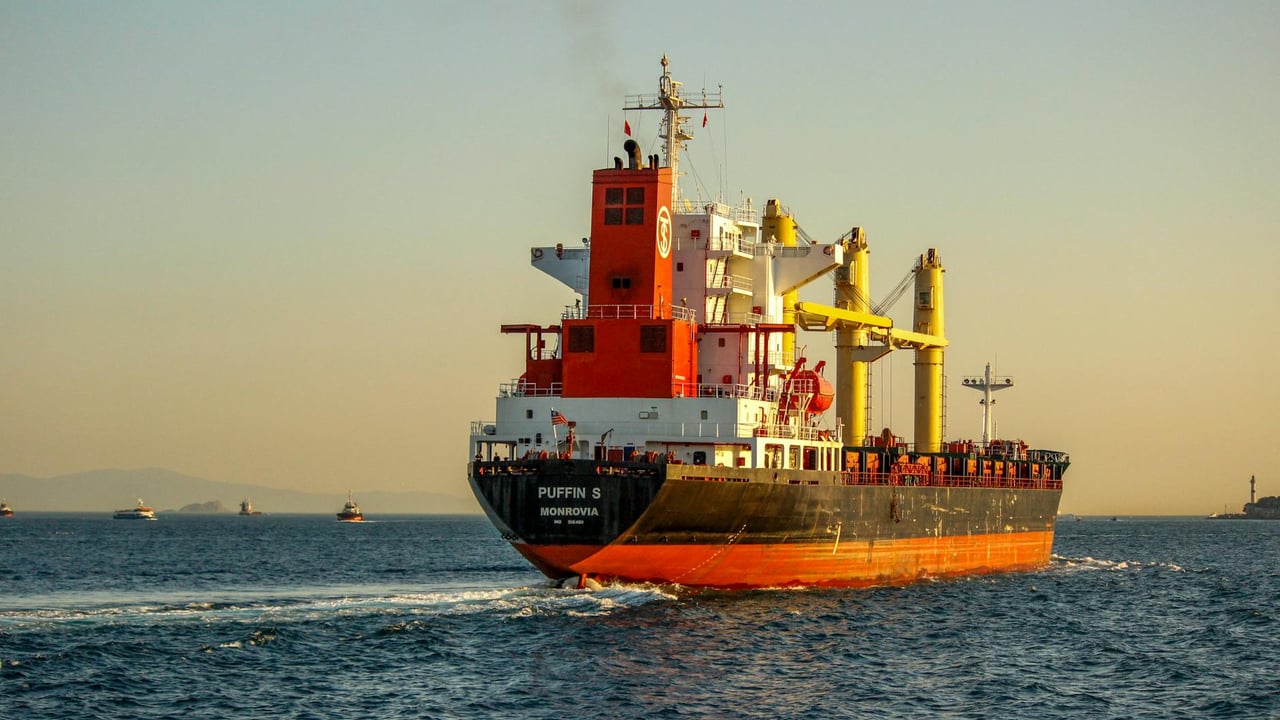

The selective blockade of the Strait of Hormuz by Iranian forces has sent seismic waves through the global economy, marking a decisive shift from Tehran’s long-standing 'strategic restraint' to a high-stakes survival game. As the world’s most critical energy artery, the Strait handles 20 million barrels of crude and refined products daily, representing nearly 26% of global maritime oil trade. For years, Iran held this weapon in reserve, fearing that closing the 'world’s oil valve' would provide Washington with the ultimate pretext for total war.
However, the geopolitical calculus shifted fundamentally following the joint U.S.-Israeli military strikes on Iranian nuclear facilities in early 2026. By targeting the bedrock of Iran’s defensive strategy, the West inadvertently dismantled the incentive for Iranian caution. Tehran now views the Strait not merely as a transit route, but as an asymmetric lever capable of inflicting enough economic pain on the American domestic front—through soaring inflation and gas prices—to force a diplomatic retreat.
Beyond the well-documented energy risks, the blockade has exposed a new vulnerability in the global high-tech supply chain: the helium trade. South Korea, a global leader in semiconductor manufacturing, relies on the Strait for nearly 65% of its helium needs, primarily sourced from Qatar. Without this critical gas, the precision manufacturing required for advanced chips and high-end electronics faces immediate disruption, transforming a regional maritime dispute into a systemic threat to the global digital economy.
Tehran’s current posture reflects a total loss of faith in Western diplomatic guarantees, particularly following the collapse of previous nuclear frameworks and the subsequent escalation of 'regime containment' policies. From Iran’s perspective, the 2015 nuclear deal proved that even compliance does not safeguard against unilateral sanctions or military aggression. Consequently, the blockade is being used to build a new deterrence framework that bypasses traditional missile and drone strikes in favor of economic strangulation.
In future negotiations, the world should expect a much more assertive Iranian platform. The traditional focus on uranium enrichment and centrifuge counts is likely to be superseded by demands for war reparations, the withdrawal of U.S. forces from the region, and permanent security guarantees for Iran’s regional allies. By controlling the world's most vital choke point, Tehran believes it has found the only leverage powerful enough to balance the scales against superior conventional military force.